



EUR
en
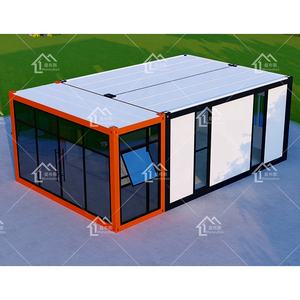
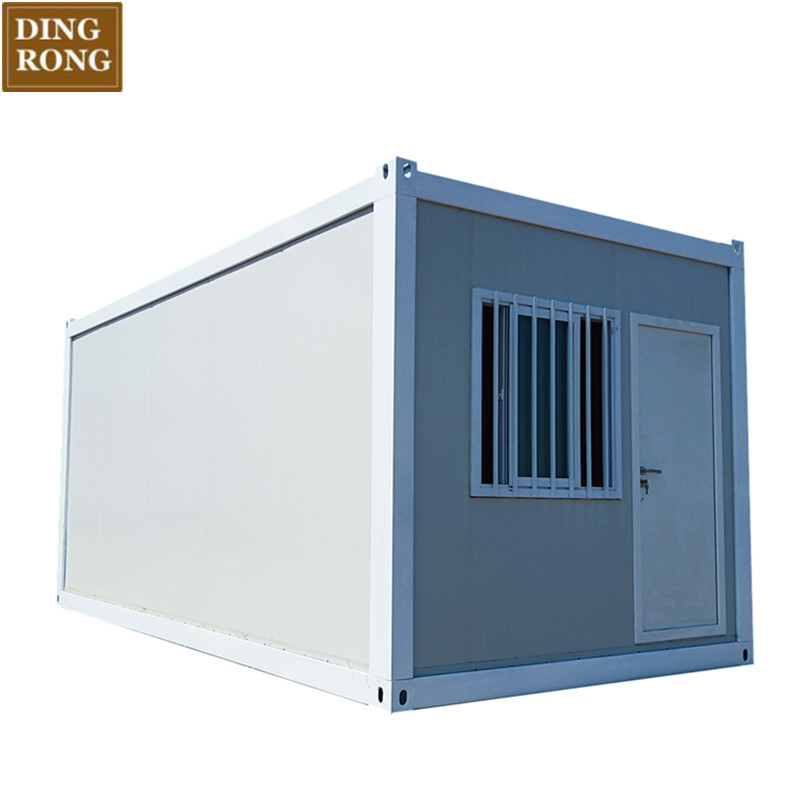
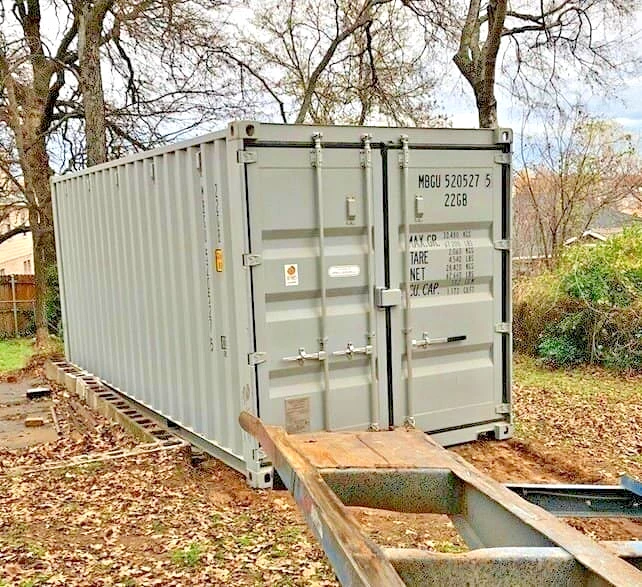
Shipping containers are designed for movement. If you ever move, you’ll be able to take your workshop with you – all you’ll need is to choose a method of transporting your shipping container and the right foundation to place it at your new home.
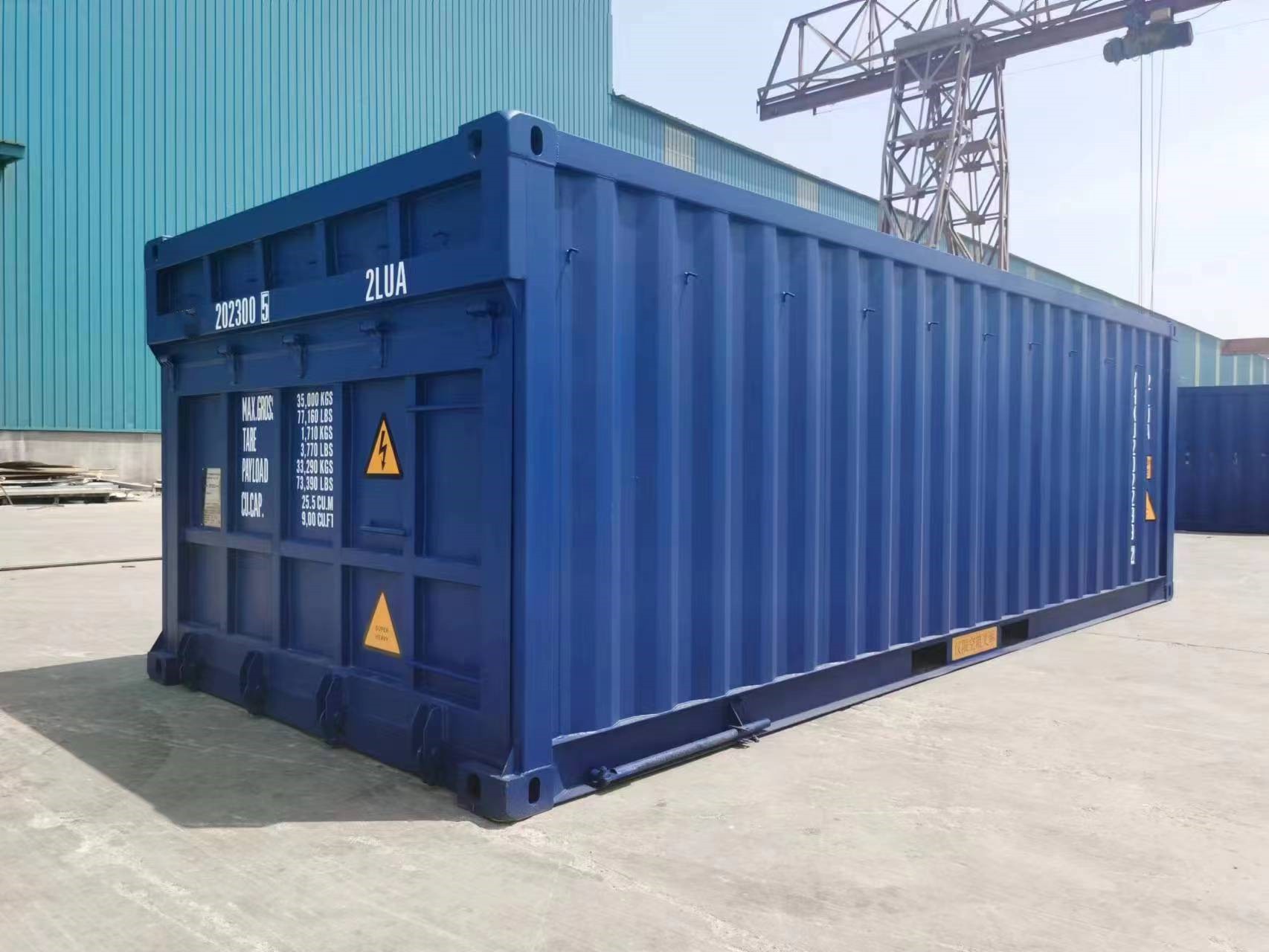
Containers are built to survive sea waves and harsh weather and are moved around on ships, trucks, and trains. Your shipping container workshop can take pretty much any punishment, including high-impact machinery, and its lifespan should cover decades.
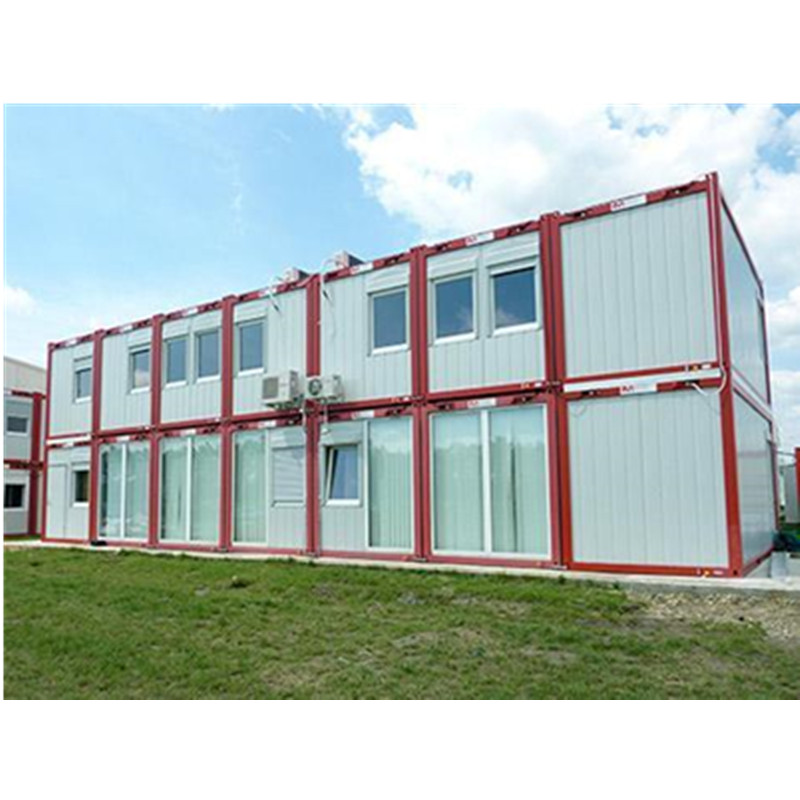
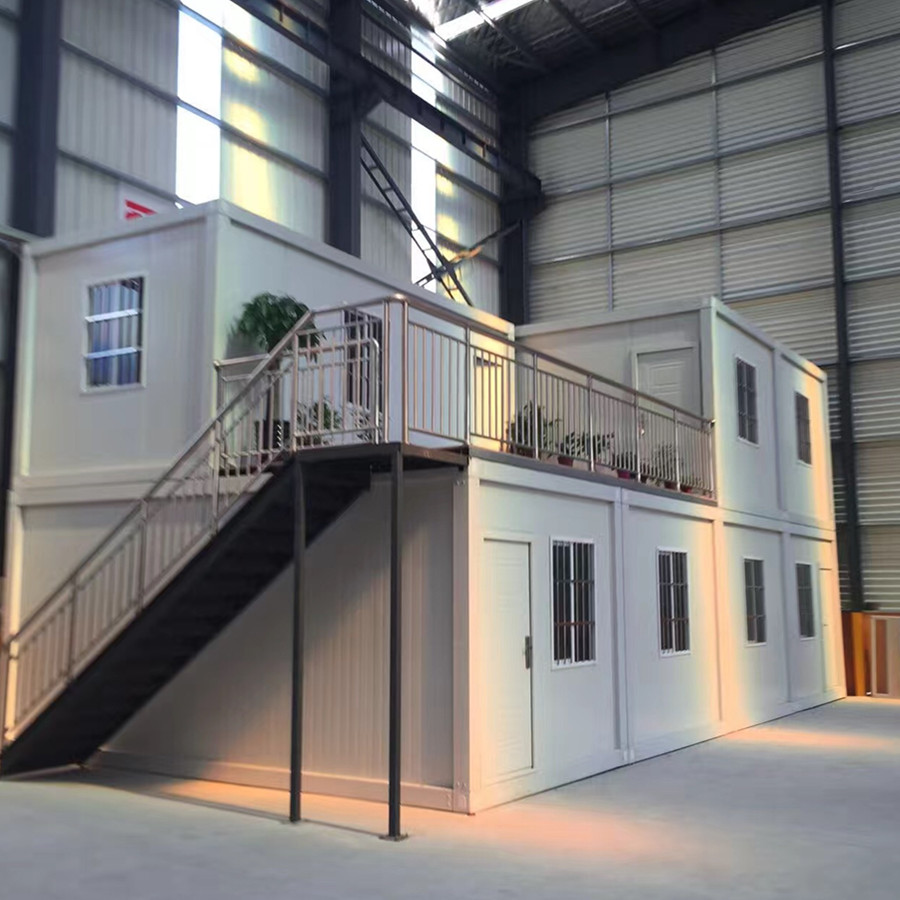
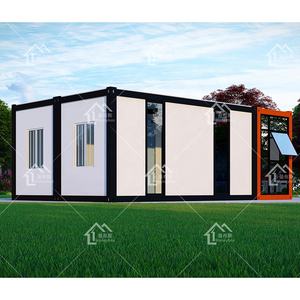
Business going well? You can easily scale up a shipping container workshop by connecting more containers or stacking containers for more height.
You can buy or hire a shipping container quickly. They’re easy to get hold of – and easy to get into, since they’re typically placed at ground level.
If you need to make changes to your workshop design, shipping containers are easy to modify. You can add electrical systems, flooring, storage, and even plumbing.
Your container workshop is already built for security, with steel walls and advanced locking systems. You can secure a shipping container to use as a workshop with very few adjustments.
You can also make adaptations to your shipping container workshop layout: add insulation or HVAC to create a space that’s comfortable all year round.
Whether you build your own container workshop idea or pay a professional to do it, you’ll still come out ahead. Professional shipping container conversions offer predictable pricing, while a DIY approach gives you control over costs, allowing you to choose materials and features that fit your budget.
Either way, converting a shipping container is generally more affordable than traditional construction, making it a smart, cost-effective choice.
Using shipping containers can reduce your carbon footprint, too. Repurposing a retired container is more sustainable than building a new structure with fresh materials.
A shipping container workshop is the ideal space for fixing small household appliances and electronics. It has plenty of secure storage space for projects, materials, and tools. All you need is a power source, some shelves, and worktops, and you can get to work.
Shipping containers are a space-efficient option for a small vehicle repair shop. Standard shipping containers are large enough to contain most vehicles, as well as any tools and machinery you might need.
Need a place to store lumber, materials, and works-in-progress? You can fully customise a shipping container to have all your tools on hand, as well as plenty of space for lengths of wood. Add a power supply for machinery and power tools and you’re ready to get started.
If you’re working on home renovations, a shipping container is an easy and secure way to store tools and materials right next door to your project. So long as you have enough garden or driveway space, you can set up a temporary shipping container workshop very quickly.
Shipping containers can be modified into paint booths or blast booths as part of your workshop. With modifications for ventilation and a power supply, their strong steel frame makes a secure, controlled environment for surface treatment processes.
You can modify a shipping container to create an insulated, climate-controlled workshop that’s perfect for fragile textiles. The solid walls also help to limit noise from tools and machinery such as industrial sewing machines.
If you work with dyes and adhesives, you can add ventilation for extra safety. Plus, there’s a huge amount of space for storing hides, tools, fabrics, and haberdashery.
A shipping container can make a fun, safe space for kids to work on arts and crafts… with all the chaos contained in one place! You can add a power supply, climate control, and even plumbing to make it convenient and comfortable.
Customise a shipping container to create the perfect screen printing workshop, with separate zones for preparation, printing, and drying. You’ll have plenty of secure storage space for screens, inks, and substrates.
Shipping containers can be adapted with fire-resistant materials to make them safe for glassblowing. You’ll also need power sources and ventilation to run your furnace and kilns. There’s space to store glass rods, tools, molds, and finished pieces, with secure locks to protect valuable equipment and materials.
* Plan your container workshop layout, including any adaptations you’ll need such as windows, flooring, ventilation, or electricity.
* Choose a shipping container size that’s large enough to accommodate all your tools, materials, and countertop space.
* Prepare a shipping container foundation to protect your workshop from dampness.
* Add flooring for comfort and, if you need it, a small ramp up to the door.
* Choose whether to leave the original shipping container cargo door or to install a standard door, high-security personnel door, roll-up door, or sliding doors. You might need to factor in the size of any equipment that you’re moving in and out.
* Check the locks on the doors and windows, and even add a lock box for extra security.
* Add heating, ventilation, or insulation, depending on your local climate and how you plan to use the space.
* Don’t forget to include storage space, shelving and racking, and worktops.
It’s easy to make modifications to shipping container workshops, because of their simple steel framework.
Here are some of the most popular shipping container modifications:
* Electrical systems
* Lighting
* Flooring
* Storage
* Doors and windows
* Work surfaces
* Climate control
* Insulation
A shipping container workshop is meant to be a functional space. For most people, that means basic details like electrical outlets and ventilation.However, it’s also your unique design. You can come up with your own container workshop design ideas to create your ideal space.
Don’t forget to factor cost and longevity into your container workshop plans. Plan ahead for any extra tools that you might buy in the next few years so that you don’t run out of space later on.
Doing research can help inspire your container workshop designs, as well as find out what’s realistic. Try searching online to see examples of shipping container workshops, then think about the details you like, and what you might change.
You’ll also need to check local laws and regulations. In some areas, you may need planning permission to put a shipping container on your land.
Want to know more about whether you need planning permission for your shipping container?
Learn what factors influence the need for permission, such as location, intended use, and duration of placement. Understand the steps you can take to avoid legal issues and ensure a smooth setup process.
Check out our guide “Do You Need Planning Permission for a Shipping Container?” to ensure your project complies with local regulations.
Start planning your shipping container workshop layout by thinking about everything you need to include. Storage, shelving, worktops, and large machinery will all take up space. Think about how you plan to use everything in the workshop, and lay it out so that you can move around easily and find what you need.
Lighting is essential for shipping container workshops. Like any other building, you can choose from a wide range of lighting styles and bulbs. All you need is mains power or a generator to connect up the electrical outlets.
We often recommend strip lighting as the most efficient way to light container workshops. It doesn’t take up much space and it’s cheap to run. However, depending on how you use the workshop, you might need more lights or specific types of lighting.
As well as wiring for lights, you’ll also need power outlets for machinery and power tools. Plan where you want to put electrical outlets before installing anything so that you don’t end up with extension leads trailing underfoot.
Shipping containers are built to be airtight, so you’ll need to add ventilation – especially if you’re working with tools or materials that produce dust. Without ventilation, your workshop could gather mould, which can cause structural damage and health risks.
The simplest type of ventilation is passive vents. The wind circulates naturally through pairs of vents placed opposite each other around the container.
If you’re worried about temperature, air conditioning and shipping container insulation can also help.
Yes, the exterior of your workshop matters too! First of all, it’s about appearance: many people prefer a shipping container workshop which blends in with other buildings nearby.
Keeping your workshop in good condition also extends the longevity of the shipping container. Repairs and fresh paint on your shipping container will keep the building sound for years to come.
You can also use the exterior of your workshop in more practical ways. You could install solar panelling on the workshop to power machinery and reduce your carbon footprint.
Shipping containers are an easy, space-saving, cost-effective, and durable option for building your own workshop. You can adapt the space with electrical wiring, ventilation, and extra storage. However, you should always check local regulations before installing a shipping container workshop on your property.
Bookmark
Daniel Féau processes personal data in order to optimise communication with our sales leads, our future clients and our established clients.



This site is protected by reCAPTCHA and the Google Privacy Policy and Terms of Service apply.