





EUR
en
Is your commodity time sensitive?
Although rail is an excellent way of moving bulk commodities over great distances, it is also considered one of the slower modes. The rail network is rigid and delays resulting from weather events, derailments, and more, can have a ripple effect on the entire North American rail network. For example, weather issues in the New Orleans area can result in delays to rail traffic in the Chicago area.
Though it also depends on the distance, rail loads often take two weeks or more to make it to their destination. For this reason, time-sensitive loads may not be ideal for rail.
Most commodities can move via rail. However, your specific commodity may affect which type of rail transportation you should trust to move your goods. For example, if you are shipping dry bulk goods, you can certainly take advantage of shipping on standard manifest trains, as that will be your most cost-effective rail option.
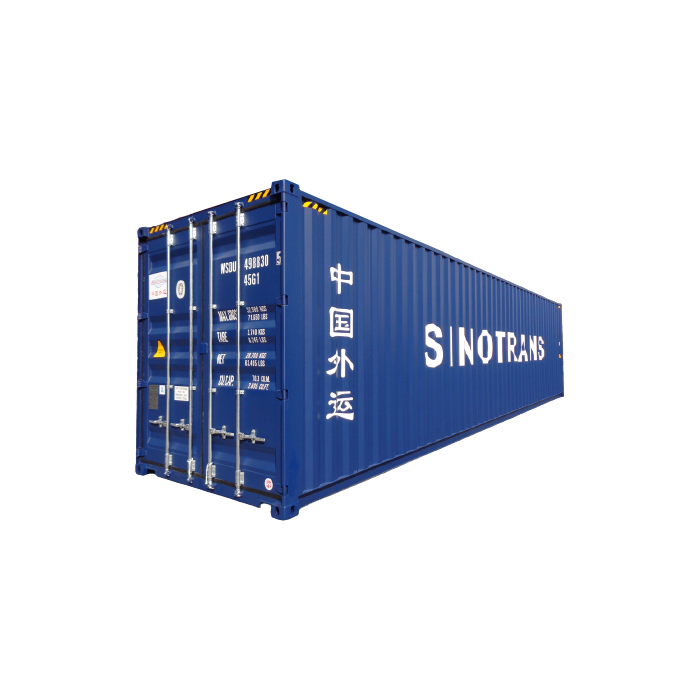
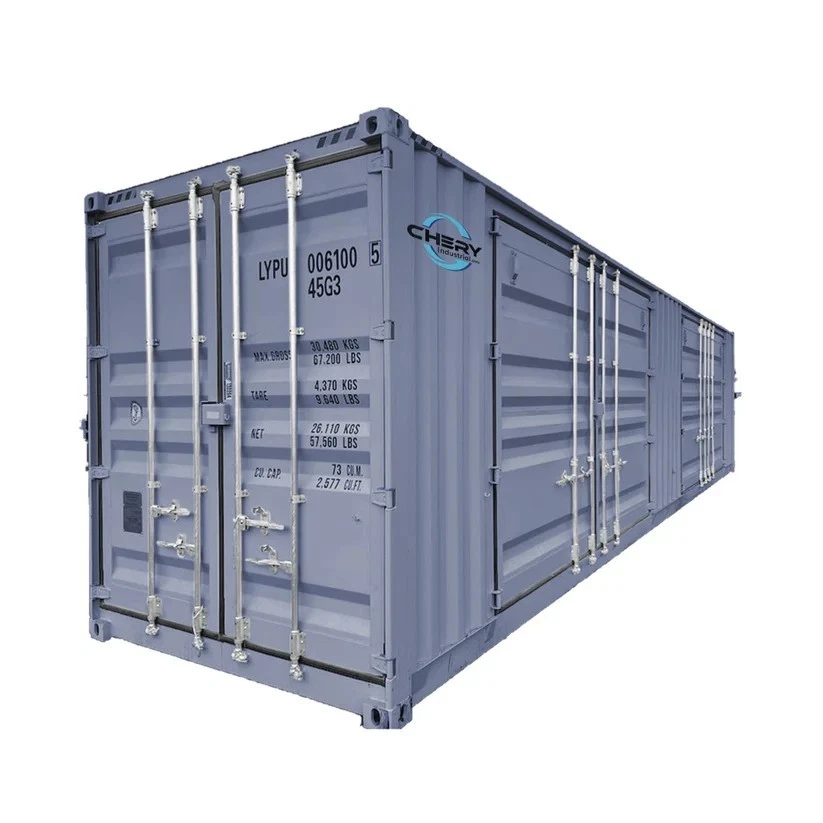
Conversely, if you are shipping finished goods, you are more likely to use an intermodal shipping option. With this option, your goods will be containerized and moved in the same container on truck, rail, and if shipping internationally, on a vessel.
Rail transportation has been shown to be cost effective over long distances, thanks to fuel-efficient trains. In fact, on a single gallon of gas a train can move one ton of freight 492 miles!
This makes rail the obvious choice for both your wallet and our environment for movements longer than 400 miles! However, the savings of shipping by rail decline when the distance from the origin to the destination is short and involves multiple railroads. Even with short moves, the railroads still have a base cost to move the goods and their overall ability to mitigate costs over many miles becomes hindered. It’s important to factor in distance when comparing the costs of rail vs trucks.
Another important detail to consider when looking at the distance of your move is where your move begins and where it ends.
Because rail shipping relies on tracks that have already been placed, and cannot easily be removed or changed, rail transportation is limited to certain routes. If where your supply chain begins and ends is not rail served, you will have to figure out how to get your commodities to and from railcars.
One method to accomplish this is transloading. Transloading is when goods are transferred from one mode of transportation to another. For rail, that normally means taking something from a railcar and placing it into a truck, or vice versa. For example, let’s say your origin location is rail served but your destination is not. In this scenario you can load directly to railcars at your origin, but you will need to use a transload facility near your destination, so the product can be transloaded to truck for the final move to your destination.
If you are interested in starting in rail shipping, you may still be wondering where to obtain the railcars you need. what about a railcar?
This answer depends on multiple variables. Railcars can be purchased, leased from railcar manufacturers and owners, or supplied by the railroad. If you anticipate consistent rail volume, you may prefer to lease or purchase your own railcars, instead of using railroad provided railcars. The type of commodity you’re shipping will also influence this decision, which we’ll discuss in a later section.
If you anticipate infrequent movements via rail, your better option may be to use railroad-provided railcars, also known as system cars. These are one-time use railcars that you pay for as part of the freight rate.
Let’s take a look at an example. Let’s consider the movement of a bulk commodity from Houston, TX to Cleveland, OH. To ship by truck in this example lane, the costs would amount to approximately $5,159 per load, whereas rail would be $6,676 per car. However, you also have to consider the volume of goods you’re shipping. Since one railcar equals four truckloads, you must apply the ratio of 1:4. This amounts to a truck cost of about $215 per ton, and a rail cost of only about $70 per ton. This will vary somewhat depending on whether you are leasing railcars, using railcars you own, or using system cars.
Another variable to help beginners ship by rail is to consider your commodity type. Some commodities cannot be shipped in system cars. Instead, you must lease or purchase railcars. Generally speaking, the only type of system cars available are flat cars, box cars, hopper cars, and automotive cars. If your commodity is bulk liquid, sensitive to getting wet, or has other special considerations, you will need to procure your own railcars. In this process, you will also determine the type of railcar that best suits your needs. Here are some common examples:
The railcar owner that you are working with can help you determine the best option for your specific requirements.
If you’re one of the many shippers who is considering rail for the first time, welcome! Although there is a learning curve to rail shipping, your cost savings can be significant. Before you jump in, consider the product, distance of the move, rail access, and railcar requirements.
If you find yourself unsure of where to start, don’t worry. Here at RSI Logistics, we can help you get started in rail shipping! Our experienced staff is able to guide you through the process.Reach out to find out more.
Bookmark
Daniel Féau processes personal data in order to optimise communication with our sales leads, our future clients and our established clients.

This site is protected by reCAPTCHA and the Google Privacy Policy and Terms of Service apply.