









EUR
en
November 25, 2025
Moving a shipping container—especially one as large as 20 feet—can sound simple at first. You load your belongings, a truck picks it up, and it gets delivered to your new home or office. But once you start planning, you realize there’s more to it: distance, weight, delivery method, and even permits all affect the final price.
If you’re considering shipping container transport for a long-distance move, or want to know how much it costs to move a 20-foot container, this guide breaks down what you should expect in 2025—using real-world pricing, industry averages, and a clear cost chart.
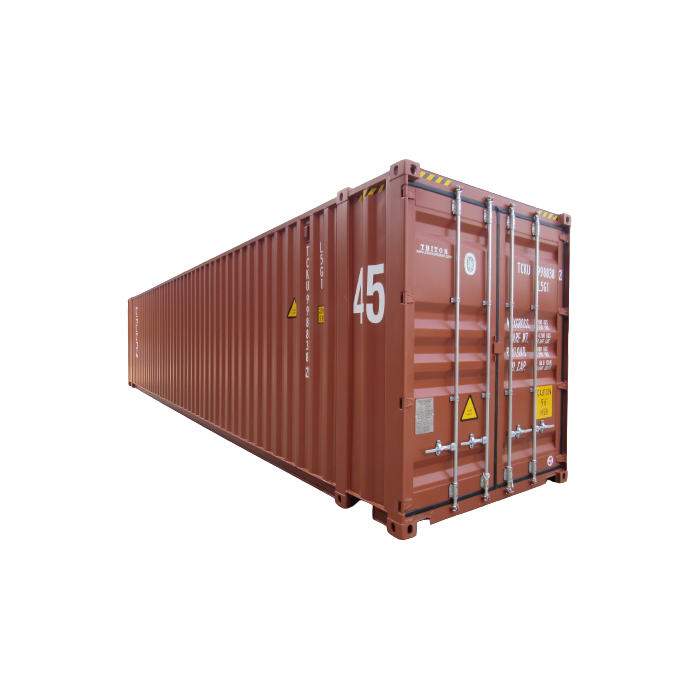
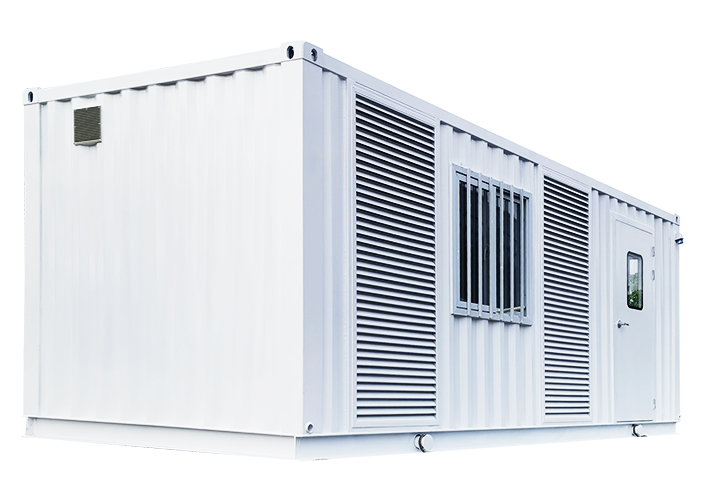
A 20-foot shipping container is a standard steel box used for freight, storage, and relocation. It’s compact enough for residential or small commercial moves, but big enough to hold furniture, appliances, and boxed items from a two- to three-bedroom home.
To give you perspective:
These containers are strong, weatherproof, and compatible with crane lifts or tilt-bed trucks—making them ideal for long-distance and interstate moves, especially when you want storage and transport combined in one system.
The average cost to move a 20-foot shipping container in 2025 ranges between $2,000 and $6,000, depending on distance, service type, and load weight.
Here’s a breakdown based on distance and service type:
Move TypeDistanceAverage Cost (2025) Local move (under 100 miles)Short-haul, same region$400 – $1,200 Regional move (100–500 miles)NYC to Boston, Philadelphia$1,000 – $2,500 Interstate move (500–1,500 miles)NYC to Chicago, Atlanta$2,500 – $4,500 Cross-country move (1,500+ miles)NYC to Los Angeles, Seattle$4,500 – $6,000 International (port-to-port only)U.S. to Europe or Asia$3,500 – $8,000+
Tip: The further you go, the more fuel, permits, and logistics fees come into play. But you can still control costs by optimizing how your container is packed and choosing the right transport method.
There are three main ways to move a shipping container, and each one impacts the price:
A truck picks up your container from ground level and delivers it to your new location.
For long-distance moves, containers are loaded onto trains, then transferred to trucks for final delivery.
If you’re moving overseas, the container travels by ship.
Several variables influence the total cost of moving a shipping container. Understanding them helps you budget accurately.
Longer routes cost more. A local move from Brooklyn to Jersey City might be under $1,000, while a coast-to-coast trip can easily exceed $5,000.
Shipping costs increase with total weight. A fully loaded container can cost up to 40% more to move than one that’s half full.
Do you need door-to-door service or terminal-to-terminal? Door-to-door is convenient but more expensive because it requires specialized trucks and handling.
Urban deliveries in NYC, Brooklyn, or Manhattan often cost more due to parking restrictions, narrow streets, and crane assistance.
If cranes, forklifts, or escorts are required to load or unload, those services add to your total.
Peak moving months (May to September) and high fuel seasons can drive up prices. Planning your move in fall or winter can reduce rates by 10–20%.
Here’s what real customers typically pay in 2025 for 20-foot container transport:
RouteDistanceTypeAverage Cost Queens, NY → Philadelphia, PA~95 miles Local$800 – $1,200 Brooklyn, NY → Chicago, IL~800 miles Interstate$2,800 – $3,800 Manhattan, NY → Austin, TX~1,750 miles Cross-country$4,000 – $5,200 Staten Island, NY → Los Angeles, CA~2,800 miles Cross-country$4,800 – $6,000 Newark, NJ → Miami, FL~1,200 miles Interstate$3,200 – $4,000
These prices assume a standard 20-foot container, average weight (~10,000 lbs), and truck or rail transport.
If you don’t already own a container, you’ll also need to factor in rental or purchase costs.
OptionDescriptionAverage Cost RentingMonthly rental for temporary moves$100–$200/month Buying Used (20-foot)Refurbished or used condition$2,000–$3,500 Buying New (20-foot)New or “one-trip” container$4,000–$5,500
For short-term relocations or storage between homes, renting is usually the smarter option. But if you move frequently or plan to use it for storage later, buying can save money long-term.
To see if container transport is right for you, it helps to compare it with traditional long-distance moving services.
Type of MoveAverage Cost (2–3 Bedroom Home)Labor ProvidedIdeal For 20-ft Container$2,500–$5,000 DIY loading/unloading Self-pack, long-distance, flexible timeline Full-Service Movers$4,000–$9,000 Yes, packing + loading Busy households, large or complex moves Truck Rental$1,000–$3,000 Self-driven Budget-conscious, short distances
So, if you’re confident packing and loading yourself, container shipping can save you thousands. But if you’re moving delicate or high-value items—or need professional support—full-service movers are worth the cost.
Here’s a quick formula to estimate your cost:
Base transport fee + distance charge + loading/unloading + permits + fuel surcharge = total cost
For example:
Estimated total: $3,650
Many companies offer online calculators, but always confirm the quote in writing. Reputable providers include PODS, U-Pack, Conexwest, and Nationwide Equipment Transport.
A few small adjustments can make a big difference in cost:
Avoid late spring and summer when rates spike. Moving in fall or winter can save up to 20%.
Every inch of unused space costs you money. Use uniform boxes and heavy-duty straps to secure furniture.
Instead of door-to-door service, pick up or drop off your container at the carrier’s terminal to save delivery fees.
Get at least three written estimates. Many companies offer bundled rates for transport + storage.
Don’t exceed the 20-foot container’s weight limit. Overloaded units can incur fines or additional equipment charges.
In most cities—including NYC—you’ll likely need a temporary use permit if the container will sit on the street or in a loading zone.
Typical requirements include:
Permits range from $100 to $500, depending on location and duration. Always confirm with your local municipality before scheduling delivery.
Transporting a heavy container across states involves some risk. Make sure your carrier provides:
Reputable carriers will be FMCSA-certified (Federal Motor Carrier Safety Administration) and provide their USDOT number upon request.
In New York City, container transport comes with its own set of challenges:
This is where hiring an experienced long-distance moving service can make sense. Many NYC-based movers coordinate container logistics, cranes, and permits on your behalf—so you don’t have to deal with multiple vendors.
If you’re moving long-distance and want a middle ground between DIY truck rental and full-service movers, then yes—shipping containers are worth it.
You’ll save money, control your own timeline, and get built-in storage flexibility.
They’re ideal for:
Just make sure to plan early, especially in NYC or busy metro areas, where access and permits can affect scheduling.
A 20-foot shipping container is one of the most efficient ways to move or store belongings across long distances. In 2025, expect to spend $2,000 to $6,000 depending on your distance, load, and delivery method.
If you prefer control and savings, containers are a smart choice. But if you want full convenience and professional handling—especially in tight city environments—a licensed long-distance mover may be the better fit.
Either way, compare quotes carefully, ask about hidden fees, and make sure your mover or carrier is properly insured and certified.
Bookmark
Daniel Féau processes personal data in order to optimise communication with our sales leads, our future clients and our established clients.


This site is protected by reCAPTCHA and the Google Privacy Policy and Terms of Service apply.