



EUR
en
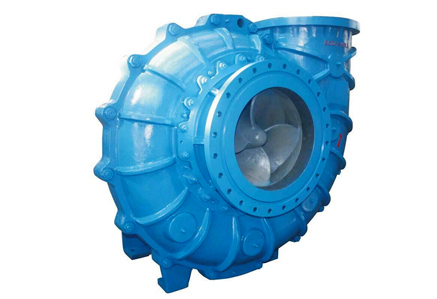
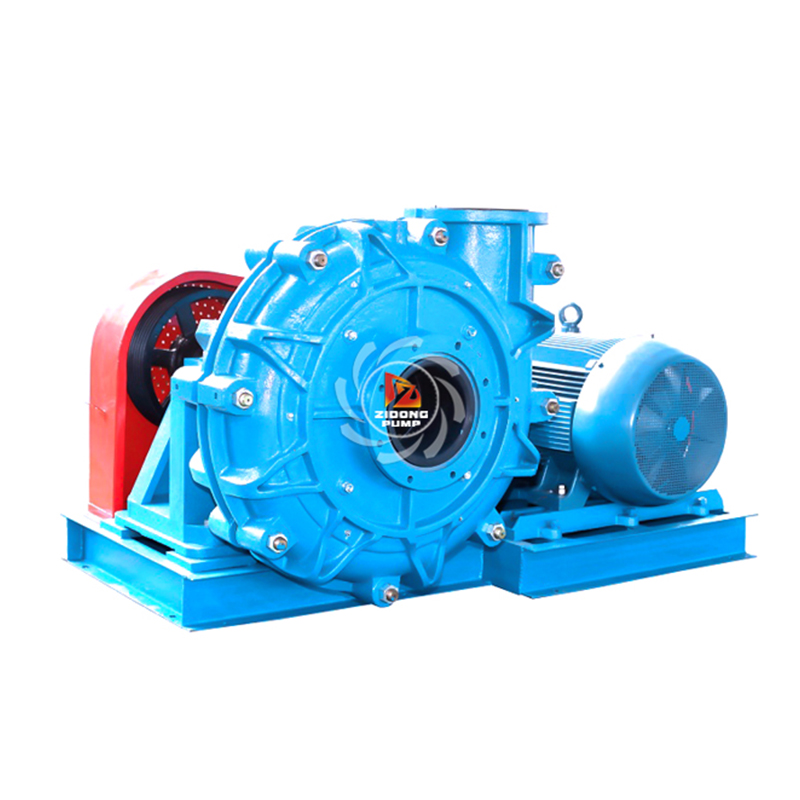
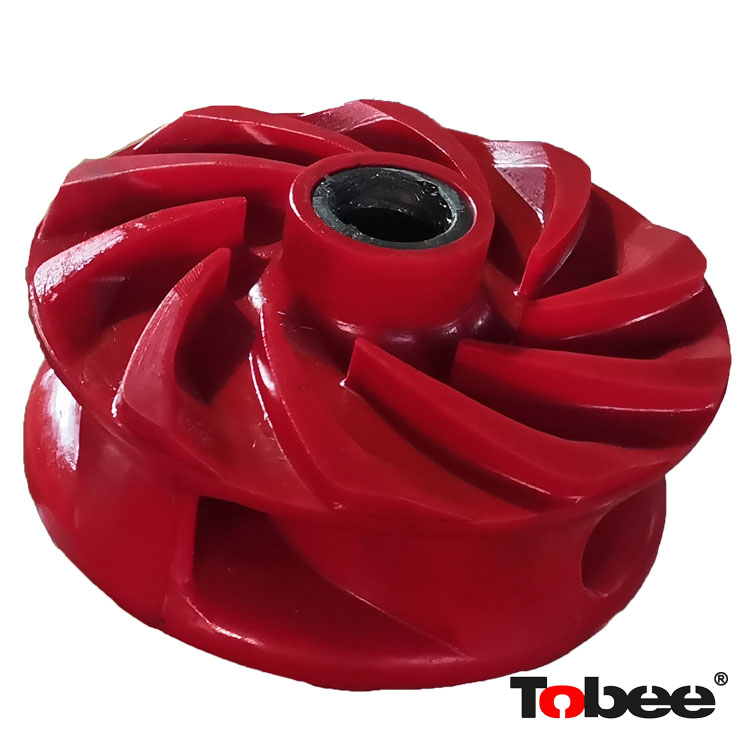
Many mining operators have to work with the OEM centrifugal slurry pumps that were installed at the beginning. As output demand increases, many pumps just can’t keep up or they wear too soon and upset the pump maintenance schedules. High-efficiency wear parts are crucial for mineral processing so the operations can keep the cost per ton down. OEM pump parts like throat bushings can lack the correct alloy for the type of abrasive slurry your operation is dealing with.
These solids handling pumps can be hydro-transport pumps at the face of the mine, cyclone feed pumps at the ball mills, process pumps during upgrading followed by tailings, and booster pumps transporting to the tailing ponds. No matter where your pump is located pump manufacturers should be able to offer the correct range of slurry pump parts made out of the right alloy for the application.
This can be a difficult problem to solve and having the right manufacture is important to ensure high-quality spare parts. Below is key information on picking the best replacement pump or spare parts.
Mine operators are looking for two primary features of slurry pumps, operation at peek-performance throughout the normal maintenance cycle, especially when VFD (variable frequency drive) units are installed, coupled with predictive wear cycles for the pump wet-end components. Surprise failures are not acceptable in mining circuits
Townley has provided outstanding slurry pump upgrades for transporting solids for 55+ years, which includes unique alloys and urethane lining for fine particles. In most cases, our wet-ends can be bolted directly to existing OEM assemblies with exact matching of suction and discharge centerlines, piping ID, and flange arrangements. When contemplating an upgrade to your centrifugal slurry pump circuit there are several critical factors taken into consideration by the Townley technical team.
Before we get into the nuts and bolts of pump dimensional and material selection, we need to collect and review some operational details
Media: Description of slurry being transported by the pump
Transport:Transport line speeds, volume, distances, pipe sizes, and elevations
Mechanicals: Existing OEM pump name, sizes, style, wear materials, OEM frame footprint, and OEM numbers, and general assembly drawing where possible.
Expectations: Current problems hoping to eliminate, and desired improvements, mean time to failure (MTF) expectations
Our Engineering team will review all the data provided and then look at the OEM mechanicals to help in pump dimensional fit. Once categorized we look at the required peek-performance required and view the pump curves to focus on the proper wet-end possibilities.
Looking at an overview chart, we can plot the intersection of flow and head for a “best-fit” pump. For example, if the pump being researched required 200 feet of head at 14,000 gals/min then the light blue pump curve #11 appears to be a close fit.
Once selected, we can view the actual pump curve detail sheet to make a recommendation for the correct wet-end. In this case, the best fit is this wet-end that will fit perfectly into the OEM assembly. The red dotted line represents the desired head (TDH) desired and the blue line represents the flow required. These lines intersect at the correct duty point just left of the best operating efficiency of 76%.
The max particle size to pass through the impeller is 3.5”. Once the engineers review the % solids and weight of the media, they can determine the HP info to meet the head and flow requirements.
Having our own in-house white iron foundry and R&D labs, allows us to offer several cast-metal alloys to suit the application.
From corrosion-resistant duplex stainless steels&Ni-hard to high-chrome& very hard Chrome-moly for maximum abrasion resistance, our technical staff will review your slurry characteristics and recommend the proper choice for your solids transport.
In some cases where transport of fine tailings is required, we can offer our Towniprene® industrial urethane liners for the whole pump or just select wet-end components.
Bookmark
Daniel Féau processes personal data in order to optimise communication with our sales leads, our future clients and our established clients.


This site is protected by reCAPTCHA and the Google Privacy Policy and Terms of Service apply.