






EUR
en
In the complex world of industrial fluid transfer, especially within wastewater treatment systems, operational efficiency isn’t a luxury; it’s an absolute necessity. The primary barrier in many facilities isn’t the treatment process itself, but the reliable, cost-effective transfer of highly abrasive, solid-laden slurries and sludge. The solution? Self-Priming Mud Pumps.
If your facility struggles with frequent clogs, costly downtime maintenance, or inefficient pumping sludge and slurry, you are likely compromising your entire wastewater operation. Modern, high-performance mud pumps are specifically engineered to solve these challenges, providing the secure, reliable, and energy-efficient backbone that modern effluent treatment systems demand.
At Sujal Engineering, we understand that for Plant/Process Engineers and Technical Consultants, choosing the right pump is critical. This guide explains exactly why self-priming non-clog designs the definitive choice for next-generation wastewater management equipment.
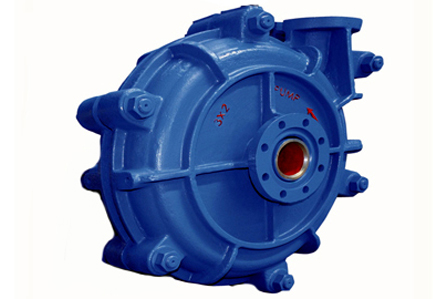
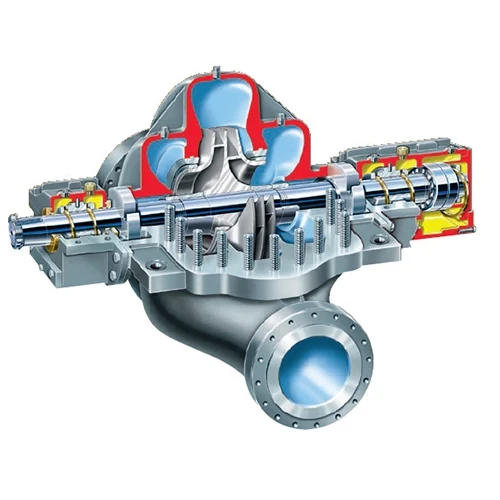
A Self-Priming Mud Pump is a specific type of centrifugal pump with a built-in liquid tank that allows it to automatically re-prime itself after the pump casing has been drained or lost its prime. This critical feature allows the pump to be mounted safely “high and dry” above the fluid source (the wet well), requiring only the suction line to be submerged.
Zero Manual Intervention: Standard centrifugal pumps must be manually filled with liquid before startup to remove air from the suction line. Self-priming pumps automate this process, saving significant time and labor.
Mounting Flexibility (Safety & Maintenance): Since the pump is mounted at ground level, maintenance engineers can service the unit easily and safely without requiring hoists, cranes, or dangerous confined space entry into the wet well, as is often necessary with submersible pumps. This dramatically improves safety and reduces maintenance time.
The term “mud pump” highlights the pump’s core capability: handling highly viscous, abrasive, and solid-laden fluids. In the context of industrial mud pumps and wastewater, these are non-clog designs built for the aggressive nature of sewage, thick sludge, settled solids, and heavy slurry pumping applications. Their tough construction, featuring large solid-handling capacities and easily replaceable wear plates, sets them apart from standard Centrifugal Process Pumps.
The switch to a high-quality self-priming system directly targets the primary causes of high operating costs and low reliability in wastewater facilities: downtime and energy waste.
The single biggest drain on efficiency in wastewater treatment pumps is clogging. Sewage and industrial wastewater are notable for containing rags, plastic, grit, sand, and other large, non-degradable solids.
While the initial cost of a self-priming pump can be higher than a standard alternative, the long-term energy savings make them a sound investment, aligning with the growing need for energy-efficient industrial pumps.
By being mounted above the wet well, the motor runs cooler and is easier to monitor for optimal performance. High-quality Self-Priming Pumps for Industrial Use are hydraulically designed for superior flow rates and lower power consumption when handling high-viscosity media. This focus on maximizing the best efficiency point (BEP) for heavy slurries directly contributes to reduced total cost of ownership (TCO).
For Procurement and Design Engineers, the choice between a surface-mounted self-priming pump and a submerged pump is most important in designing new or upgrading process water management infrastructure.
The advantages of the self-priming, surface-mounted design are clear, especially in demanding sewage and wastewater handling applications.
Maintenance Access Excellent: Located on a dry, safe surface (e.g., pump house or slab). Quick and easy to inspect.Poor: Requires removing the pump from the wet well (crane/hoist) and often hazardous confined space entry for service.
Motor Cooling Air-cooled (or fan-cooled). Motor operates safely above the liquid. Air Cooled Pumps are a specialty.Relies on the pumped liquid for cooling. If the liquid level drops too low, the motor can overheat and fail.
Clogging/Solids Handling Excellent non-clogging design with external access for clearing blockages.Blockages require the entire pump to be lifted and disassembled for clearing.
Initial Priming Automatic re-priming after the first charge. Designed to handle air/gas slugs without issue.Must be fully submerged. If the liquid level drops below the pump, it de-primes and requires liquid to be restored.
Safety & OH&S Superior safety. Technicians work at ground level, away from toxic gases and biohazards.Involves high-risk activities like working near or in the contaminated wet well.
The success of your industrial fluid transfer solutions depends on correctly specifying the pump materials and configuration to match the fluid characteristics. Engineers must consider not just flow rate and head, but also the solids concentration, particle size, and abrasiveness of the media.
Solid Handling Capacity: Look for pumps with large internal clearances and semi-open impellers to accommodate large, unpredictable solids found in raw sewage. A pump designed to pass a 3-inch disc is ideal for municipal and many industrial applications.
Material of Construction (MOC): The abrasive and corrosive nature of sludge requires stronger materials.
Cast Iron (CI) / SG Iron: Standard for general wastewater handling.
Hardened Alloys/Wear Plates: Essential for resistance to abrasion from sand and grit.
Specialty MOC (e.g., PP, PVDF): For more corrosive industrial effluents, chemically resistant options like Polypropylene Pumps or PVDF Pumps are necessary.
Mechanical Seal Arrangement: Given the abrasive nature, a solid seal is required for pump maintenance and reliability. Drum mechanical seals or specialized double mechanical seals with a flushing plan are often recommended to keep abrasive solids away from the seal faces.
For smaller flow rates or highly viscous, chemically aggressive slurries, some facilities utilize positive displacement pumps like Air Operated Double Diaphragm (AODD) Pumps. While effective for certain light duties, the consistent flow and high-volume capability of the Self-Priming Mud Pump remains unmatched for continuous, high-volume effluent transfer.
Even the most durable Industrial Mud Pumps require a strategic approach to maintenance to achieve optimal pump efficiency in wastewater. A planned maintenance program significantly extends the lifespan of components and ensures long-term reliability.
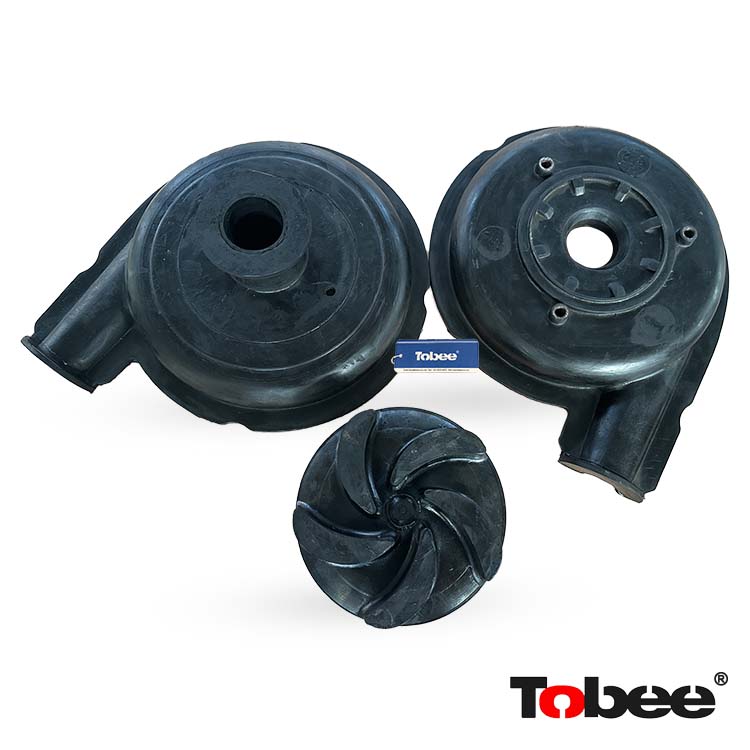
Regular Clearance Check: Due to the abrasive nature of sludge, the clearance between the impeller and the wear plate (or suction plate) will increase over time. Regularly inspect and adjust this clearance, which is made easy with the back pull-out and external adjustment features of a self-priming pump.
Seal Flush Monitoring: If using a double mechanical seal with an external flush, ensure the flush system (Plan 32, Plan 53, etc.) is operating correctly and the barrier fluid is maintained at the correct pressure and level.
Vibration and Noise Analysis: Unscheduled noise, cavitation, or excessive vibration is often the first sign of a system issue (e.g., a suction leak or a blockage). A Maintenance Engineer should investigate immediately to prevent major damage.
Wear Plate Replacement: The sacrificial wear plate is designed to absorb most of the abrasive wear. Regular inspection allows this relatively inexpensive part to be replaced before the impeller or pump casing is permanently damaged, restoring the pump to its original hydraulic performance.
Selecting the correct Self-Priming Mud Pump is a strategic decision that impacts safety, budget, and operational continuity for years to come. By choosing a high-quality, non-clog, surface-mounted design, you are investing in minimized downtime and maximized pump efficiency in wastewater.
At Sujal Engineering we specialize in heavy-duty Industrial Fluid Transfer Solutions for demanding sectors like Wastewater, Mining & Mineral Processing, and Oil & Gas. Our range of Self-Priming Mud Pumps and Slurry Pumps are engineered with the specific non-clog and maintenance features that Plant/Process Engineers and Technical Consultants relied on.
The primary advantage is safety and simplified maintenance. Self-priming pumps are mounted “high and dry” outside the wet well, eliminating the need for technicians to enter hazardous, confined spaces (like required for submersible pump maintenance) and reducing reliance on lifting equipment.
Self-Priming Mud Pumps are designed with large internal passages and non-clog impellers (often semi-open style) that allow large, non-degradable solids (like rags and grit) found in sewage to pass through easily. Many models also feature an external access port for rapid clearing of rare blockages.
No, not negatively. While the self-priming mechanism adds a chamber, modern, high-performance designs are engineered for maximum efficiency when handling high-solids fluid. The ability to easily maintain the critical impeller-to-wear-plate clearance externally actually helps the pump sustain its optimal efficiency point (BEP) over a longer service life, leading to lower long-term energy costs.
For standard wastewater, durable materials like Cast Iron are common. However, due to the highly abrasive nature of sludge (containing sand and grit), they are reinforced with abrasion-resistant components like easily replaceable Hardened Alloy Wear Plates and robust impellers to ensure long pump maintenance and reliability.
Yes. While the term “mud pump” suggests general utility, specialized variants are available from manufacturers like Sujal Engineering constructed from highly chemical-resistant plastics, such as Polypropylene (PP) or PVDF, making them suitable for aggressive and corrosive industrial chemical waste streams.
Bookmark
Daniel Féau processes personal data in order to optimise communication with our sales leads, our future clients and our established clients.

This site is protected by reCAPTCHA and the Google Privacy Policy and Terms of Service apply.