





EUR
en
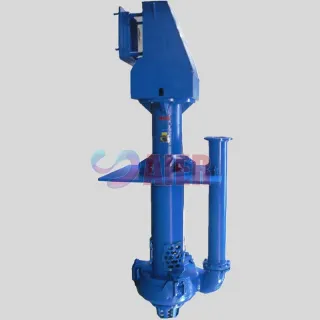
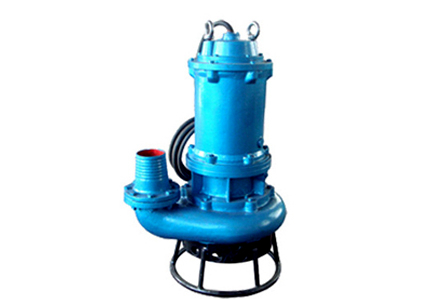
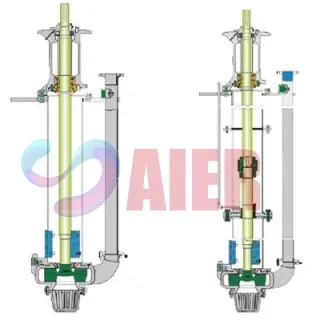
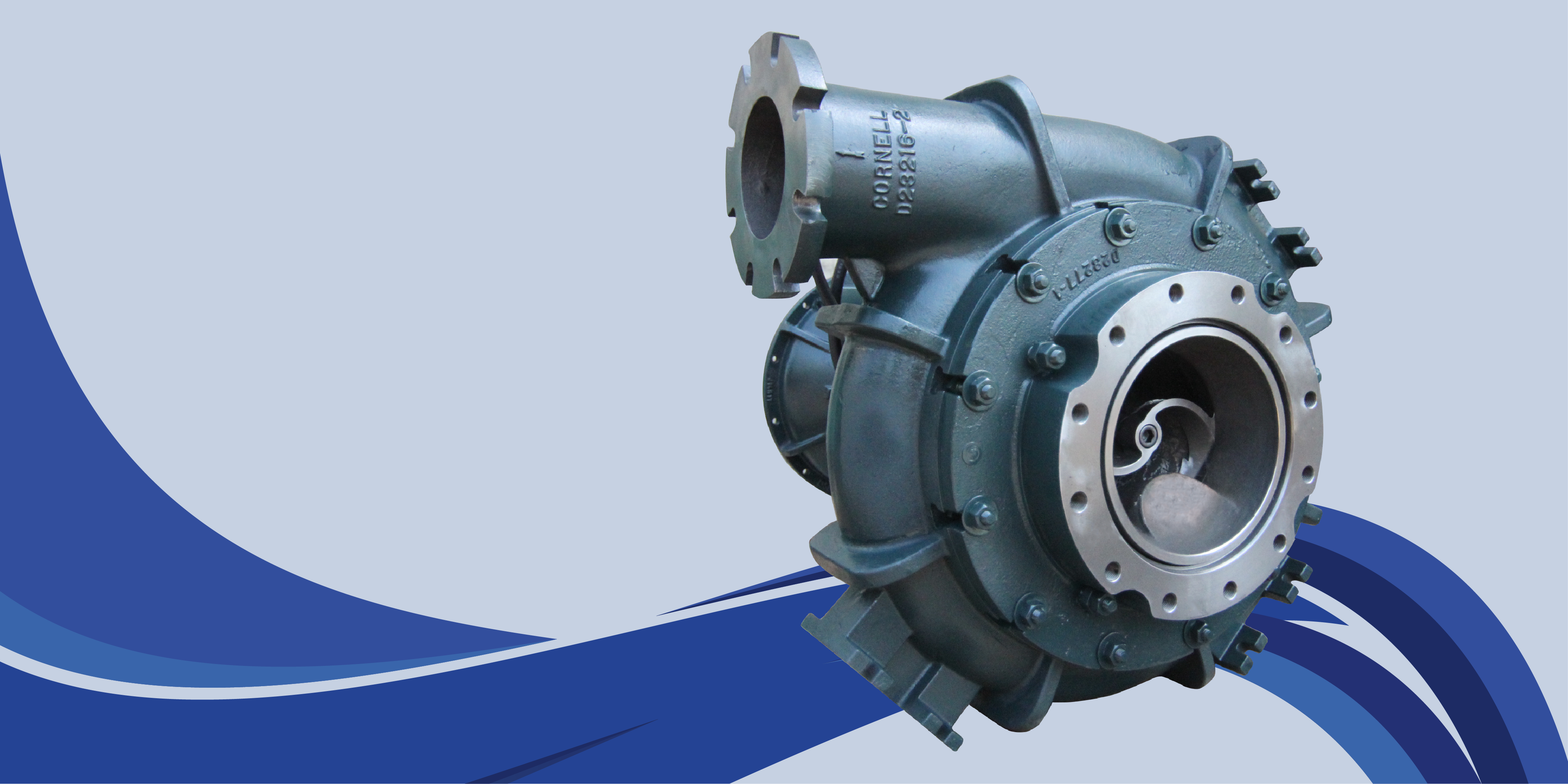
The Submersible Sand Suction Pump is an efficient tool for dredging operations in large water bodies, including reservoirs, rivers, and lakes. Its operation relies on a high-pressure water pump that generates a powerful water jet, which impacts sediment through a nozzle, dislodging it and causing it to float. The sand pump then extracts this sediment and transports it to the desired location via pipeline. This innovative equipment is designed for easy operation and high efficiency, making it ideal for various applications such as river dredging, land reclamation, and port maintenance. With its low operational costs and user-friendly design, the submersible sand suction pump is highly favored by users. Below, we discuss essential precautions for operating the pump effectively and safely.
The Submersible Sand Suction Pump is engineered with advanced technology to enhance dredging operations in extensive water bodies such as rivers, lakes, and reservoirs. Constructed from durable, corrosion-resistant materials, this pump is designed to withstand harsh aquatic environments while delivering exceptional performance. Its innovative structure includes a high-pressure water jet system that efficiently dislodges sediments, allowing them to float effortlessly for easier removal. The Submersible Sand Suction Pump also features a robust pipeline integration that facilitates smooth transportation of the extracted material to the designated site. Additionally, its compact design and user-friendly interface ensure easy operation and maintenance. Ideal for diverse applications including river dredging, land reclamation, and port maintenance, the Submersible Sand Suction Pump by TAIAN OCEAN PUMP stands out for its reliability, efficiency, and low operational costs, making it the preferred solution for all dredging needs.
When operating the Submersible Sand Suction Pump, several key factors must be taken into account to ensure efficient operation and safe usage. Here are five critical aspects to focus on:
During operation, it is essential to be aware of large-scale collapses of surrounding sediment, which may cause the submersible sand suction pump to become buried. To avoid this situation, operators should regularly monitor the stability of the sediment and adjust the pump’s position as necessary to prevent it from being submerged. By controlling the pump’s water intake depth and direction, sediment coverage can be minimized, ensuring optimal pump performance.
If the layer of extracted sediment is thin, the pump’s dredging effectiveness may be compromised. To enhance dredging efficiency, operators should periodically relocate the Submersible Sand Suction Pump to different areas for sediment extraction. This practice not only improves dredging performance but also prevents sediment buildup caused by prolonged operation in a single location, ensuring sustained output capacity from the pump.
Sediment containing a significant amount of small stones can adversely affect the operational efficiency of the submersible sand suction pump and may lead to reduced output. To maintain high pump efficiency, operators should identify and remove small stones from the sediment beforehand. If necessary, pre-treatment equipment can be used to minimize damage to the pump and maintain effective dredging performance.
Different types of submersible sand suction pumps have varying requirements regarding particle size. Larger stones may clog the pump’s filter, affecting dredging efficiency. Therefore, it is crucial to select appropriate equipment and understand its maximum particle size tolerance before operation to prevent equipment failure due to unsuitable sediment.
When operating the submersible sand suction pump, it is necessary to have auxiliary equipment such as high-pressure flushing systems, suction pipelines, control cabinets, floating platforms, and suspension systems. Additionally, ensure that the pump’s power supply meets specific requirements; in China, a 380V three-phase power supply with a frequency of 50Hz is needed, while adjustments should be made in other countries based on local electrical standards. In practical applications, the lift often does not reach the pump’s rated capacity, making it crucial to install valve control on the outlet pipe. Moreover, the flow rate and current should not exceed twice the motor power of the sand suction pump to avoid prolonged overload, which could damage the motor.
When selecting a Submersible Sand Suction Pump, it is essential to consider specific models and their applications. TAIAN OCEAN PUMP offers three main models: DMS, DMD, and DMH, each tailored to meet different operational needs.
The DMS model is designed as a standard Submersible Sand Suction Pump for general dredging applications. It efficiently handles various slurry materials, particularly in conditions involving fine sandy sediments. The DMS pump is well-suited for:
Its robust design ensures reliability and efficiency in diverse environments, making it a versatile choice for contractors.
The DMD model is equipped with built-in agitators, enhancing its ability to handle compacted sediments and challenging conditions. This feature makes it ideal for dense or hard sediment removal. The DMD Submersible Sand Suction Pump is particularly suitable for:
In the Maldives, where land reclamation is crucial for expanding habitable areas and tourism development, the DMD model plays a significant role. Its agitators ensure that materials are adequately suspended, facilitating easier extraction and improving overall efficiency in demanding applications.
The DMH model utilizes hydraulic power to provide a powerful solution for high-performance dredging tasks. It is especially suitable for applications requiring substantial power and efficiency, commonly mounted on excavators to leverage hydraulic power. Typical uses include:
The hydraulic design allows for greater flow rates and lift capabilities, making the DMH Submersible Sand Suction Pump an excellent choice for large-scale projects.
When selecting a Submersible Sand Suction Pump, consider the following factors to ensure optimal performance for your specific application:
Bookmark
Daniel Féau processes personal data in order to optimise communication with our sales leads, our future clients and our established clients.

This site is protected by reCAPTCHA and the Google Privacy Policy and Terms of Service apply.