






EUR
en
The document describes a training course on dredge operator basics. The training includes classroom instruction on dredging fundamentals and theories, dredge systems, lever room controls and…
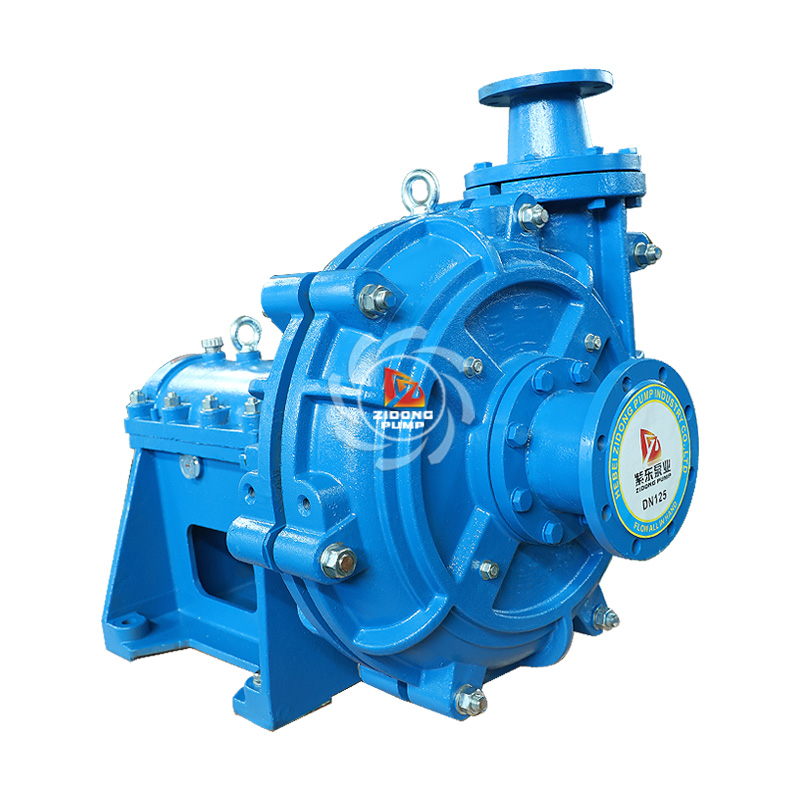
The typical agenda of the training course includes classroom style training on the fundamentals of dredging and understanding dredging theories. The topics covered in the classroom environment include, but are not limited to: What is a “Centrifugal Pump” • Centrifugal vs. Positive Displacement • Effects on HP requirements vs. friction in both • How a centrifugal pump works • Front liner/impeller clearance and slurry re-circulation • Pre-rotation & wear • Proper pump impeller adjustment • Measuring impeller shaft endplay for preventive maintenance scheduling • Eye evacuation & atmospheric pressure • Cause & effect of pump cavitation • Parts of the centrifugal pump • Various materials used in parts and why • The use of 3-Vane vs. 4-Vane Impellers • How to read a Theoretical Pump Curve (TPC) • Head, pipeline length, and terminal elevation • How to determine Flow Rate using the TPC • Converting flow rate into Velocity • How to convert Head to Pressure • Determining Horse Power requirement • Pump Efficiency and demonstrate how it affects HP requirement Excavating System • Types of Excavators and their advantages/disadvantages • How a basket cutter works • Why does a cutter have a variable speed control • Types of material and how the y are classified (size) • Compressive Strength Measurements (blow counts) • HP, Torque, and Blade Cutting Forces • Particle Size Restriction (Rotating Suction Screen) Water & Slurry • Description of heterogeneous flow • Velocity vs. Turbulence with respect to pipe size • Velocity requirements for various size material • Pipeline size, velocity, friction, and production • What is Critical Settling Velocity? • Suction Dilution Valve Principles
Typical lever room gauge layout • Reading gauges and what they say to you • Gauge readings of a plugged discharge • Gauge readings of a plugged suction • Gauge readings of a ladder grounding condition • Gauge readings of maximum possible production rate • Various instruments (Maximizer, flow meters, mass flow measurement, etc) • Touch Screen Data Project Planning • Why project plans are important • Example of a Typical Project Plan Dredging Techniques • Range Diagram Examples • Building a face • Advancing the cut • Ladder Grounding • What insitu means • Sub-surface material characteristics (fluidized material) • Free flowing material vs. consolidated material • The Danger of a Collapsing Bank • Atmospheric (barometric) restrictions and why Booster Pumping • When is it necessary • Principles of booster pumping • Discharge Head and Pressures Training Materials • TPC examples • Settling velocity chart • Glossary of Terms • HDPE & Steel Pipe Size Chart • Dredge Pump Assembly Drawing
Bookmark
Daniel Féau processes personal data in order to optimise communication with our sales leads, our future clients and our established clients.

This site is protected by reCAPTCHA and the Google Privacy Policy and Terms of Service apply.