





EUR
en
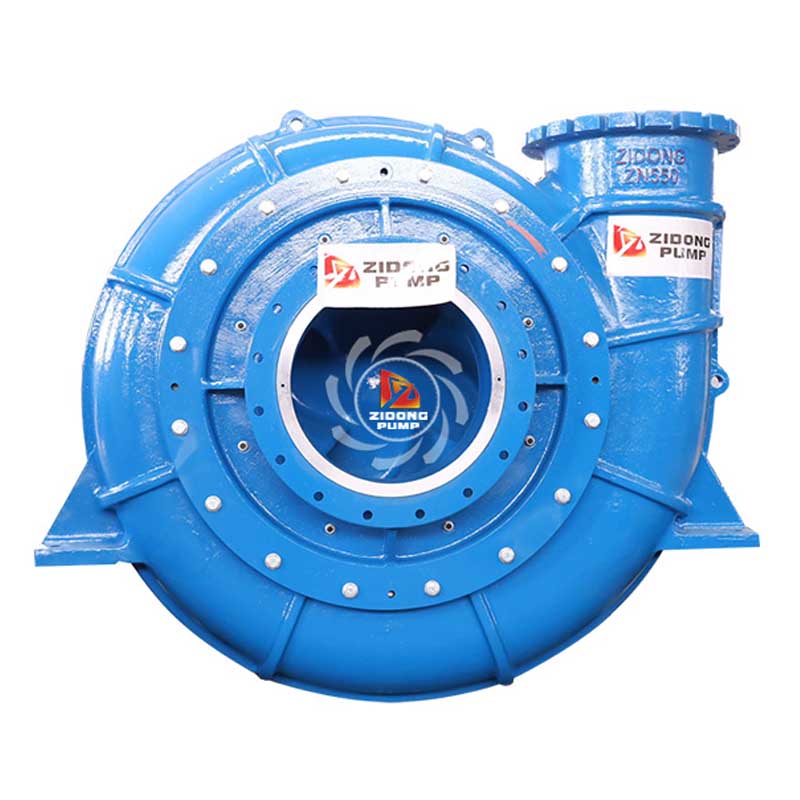
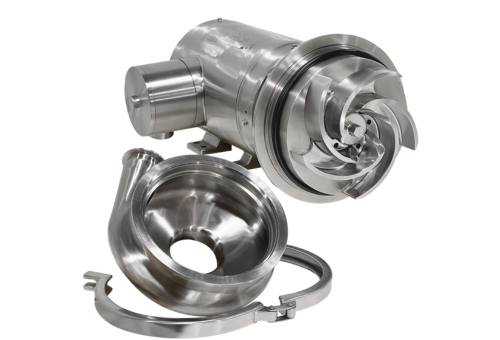
A centrifugal pump is a mechanical device used to move liquids by converting rotational mechanical energy into fluid energy. It uses a rapidly spinning impeller to increase the velocity of a fluid and then converts that velocity into pressure, allowing the fluid to flow through a piping system.
Centrifugal pumps are among the most widely used pumps in the world due to their simple design, efficiency, and ability to handle large volumes of fluid across residential, commercial, and industrial applications.
A centrifugal pump operates through a straightforward but highly effective process:
This continuous process allows centrifugal pumps to deliver smooth, steady flow with minimal pulsation.
Understanding the core components helps explain why these pumps are so reliable:
●Impeller – The rotating component that transfers energy to the fluid
●Casing (Volute or Diffuser) – Directs flow and converts velocity into pressure
●Shaft – Connects the impeller to the motor
●Mechanical Seal or Packing – Prevents leakage along the shaft
●Bearings – Support shaft rotation and reduce friction
Each component works together to maintain consistent performance and efficiency.
Centrifugal pumps are available in several configurations depending on pressure, flow, and installation needs.
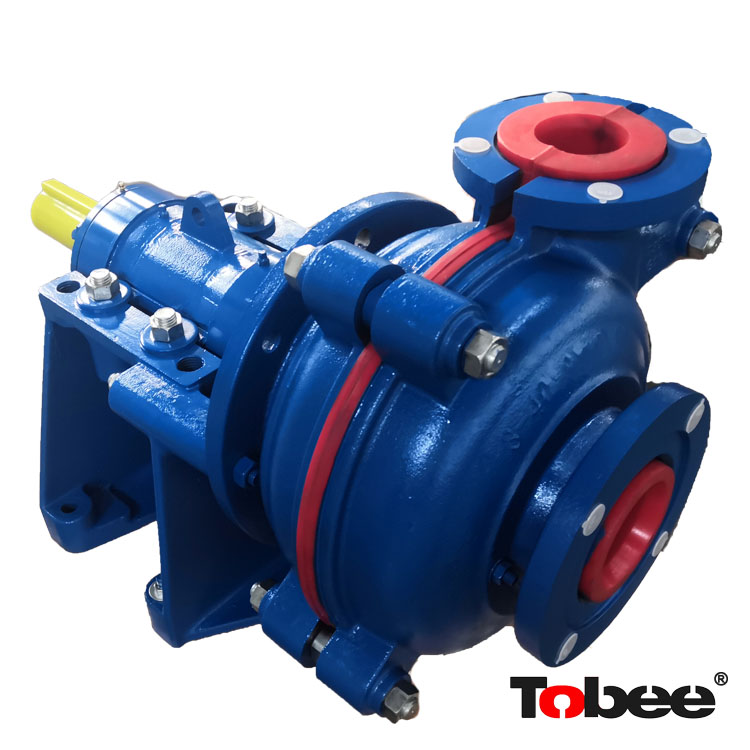
Use one impeller and are ideal for low to moderate pressure applications, such as water transfer, circulation, and irrigation.
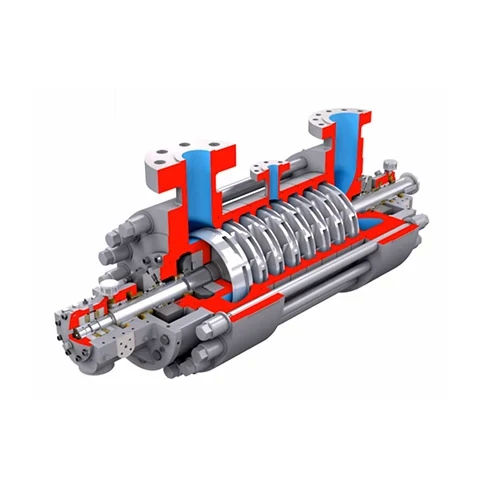
Contain multiple impellers in series to generate higher pressure, commonly used in boiler feed systems, pressure boosting, and high-rise buildings.
Mounted parallel to the ground, offering easy access for maintenance and servicing.
Designed to save floor space and commonly used in booster systems, sumps, and limited-space installations.
One of the most common designs, featuring a simple layout and broad application range.
Centrifugal pumps are used across nearly every industry, including:
●Water supply and distribution systems
●HVAC circulation and chilled water loops
●Boiler feed and condensate systems
●Industrial processing and manufacturing
●Irrigation and agriculture
●Fire protection systems
●Wastewater and sewage handling (with appropriate designs)
Their versatility makes them a foundational pump type in both small-scale and large-scale systems.
Centrifugal pumps are often preferred because they offer:
●Smooth, continuous flow
●Simple construction and low maintenance
●High efficiency for clean or lightly contaminated fluids
●Compact footprint and flexible installation
●Wide availability of sizes and materials
When properly sized, they deliver long service life with minimal downtime.
While highly versatile, centrifugal pumps are not ideal for every application:
●Not suitable for very high-viscosity fluids
●Performance drops significantly if air enters the suction line
●Can experience cavitation if improperly sized or installed
●Less precise flow control compared to positive displacement pumps
Understanding these limits helps ensure proper pump selection.
The main difference lies in how fluid is moved:
●Centrifugal pumps rely on velocity and pressure conversion
●Positive displacement pumps move a fixed volume of fluid per cycle
Centrifugal pumps excel in high-flow, low-to-moderate pressure applications, while positive displacement pumps are better for precise flow and viscous fluids.
Selecting the right centrifugal pump depends on several key factors:
Correct sizing is critical to efficiency, reliability, and longevity.
If not properly selected or maintained, centrifugal pumps may experience:
●Cavitation from insufficient suction pressure
●Seal or bearing wear
●Loss of prime
●Reduced efficiency due to improper sizing
Routine inspection and correct system design help prevent these issues.
To keep a centrifugal pump operating reliably:
●Monitor pressure, flow, and vibration
●Inspect seals and bearings regularly
●Ensure proper suction conditions
●Keep strainers and filters clean
●Follow manufacturer maintenance schedules
Preventive maintenance significantly extends pump life.
Bookmark
Daniel Féau processes personal data in order to optimise communication with our sales leads, our future clients and our established clients.

This site is protected by reCAPTCHA and the Google Privacy Policy and Terms of Service apply.