








EUR
en
A slurry pump works by converting mechanical energy into kinetic energy using a rotating impeller. As the impeller spins, it creates centrifugal force that accelerates the slurry outward, generating flow and pressure to transport solid-liquid mixtures through pipelines.
Unlike centrifugal water pumps, slurry pumps are engineered with reinforced materials, wider clearances, and wear-resistant designs to handle abrasive particles without clogging or excessive wear.
1. The motor drives the pump shaft and impeller.
2. The rotating impeller creates a low-pressure zone at the inlet.
3. Slurry enters the pump casing and is accelerated outward.
4. High-velocity slurry exits through the discharge outlet.
Each component of a slurry pump is designed to resist abrasion, corrosion, and impact from solid particles.
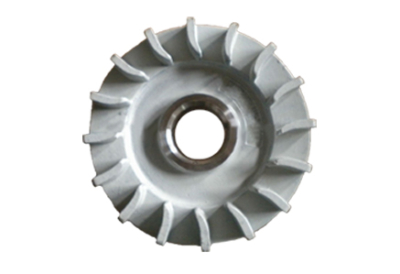
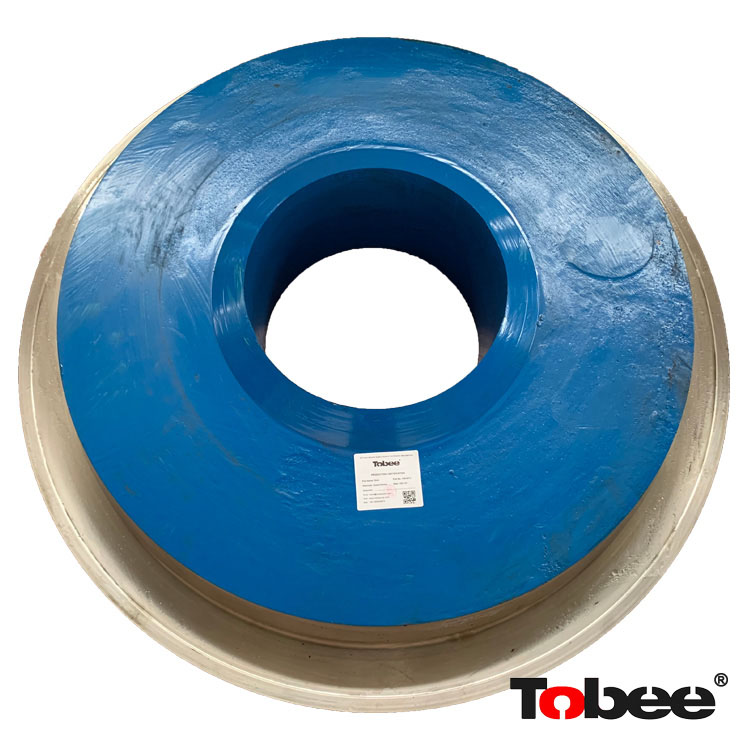
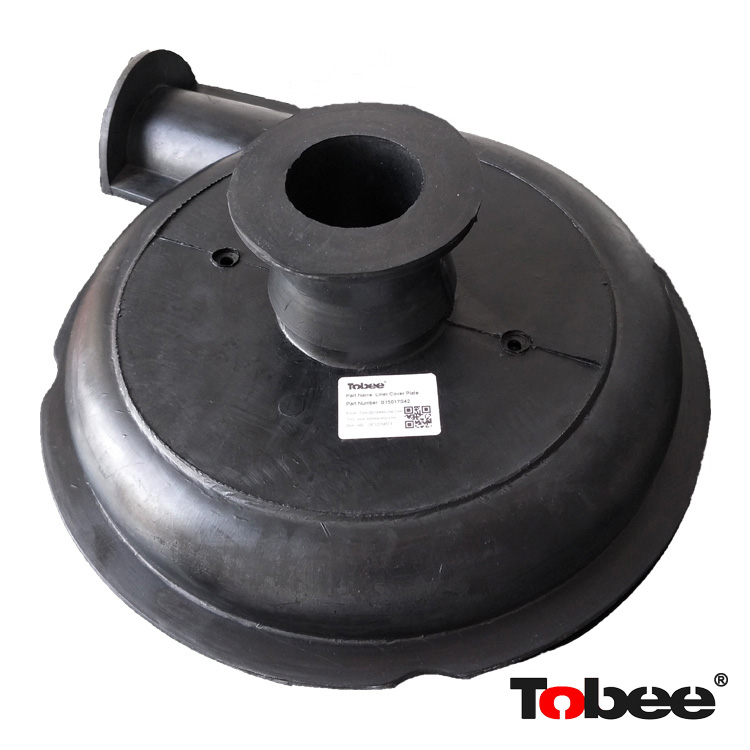
High-quality slurry pump parts such as impellers and liners significantly extend service life and reduce operating costs.
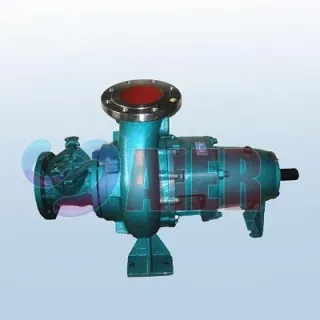
Horizontal Slurry Pump – Ideal for high-capacity mining and mineral processing.
Vertical Slurry Pump – Suitable for sumps and pits with limited space.
Submersible Slurry Pump – Operates fully submerged for dredging and sand pumping.
Heavy Duty Slurry Pump – Designed for highly abrasive and high-density slurry.
Selecting the correct slurry pump type improves efficiency and minimizes maintenance downtime.
Mining and mineral processing
Dredging and sand pumping
Power plant ash handling
Metallurgy and chemical processing
Wastewater and industrial sludge transfer
When selecting a slurry pump, consider the following factors:
Particle size and concentration
Slurry density and abrasiveness
Flow rate and head requirements
Material selection (metal or rubber-lined)
Working with an experienced slurry pump manufacturer or supplier helps reduce total cost of ownership and ensures optimal pump performance.
Choosing the wrong slurry pump does not just cause downtime — it directly impacts production output, maintenance budgets, and safety. Many operators underestimate the hidden cost of pump failure until losses accumulate.
In mining and dredging operations, a single slurry pump failure can cost thousands of dollars per hour in lost production.
Longer service life due to wear-resistant materials
Reduced spare parts consumption
Fewer shutdowns and stable flow performance
Lower energy consumption under heavy slurry conditions
Although a high-quality slurry pump may have a higher initial price, it often delivers a significantly lower cost per operating hour. Over the pump lifecycle, this results in measurable ROI and predictable maintenance planning.
What is the difference between a slurry pump and a water pump?
A slurry pump is specifically designed to handle abrasive solids, while a water pump is only suitable for clean or lightly contaminated liquids.
How long does a slurry pump last?
Service life depends on slurry abrasiveness, operating conditions, and material quality. Proper selection can significantly extend lifespan.
Is slurry pump price high?
Slurry pump price varies by size, materials, and application. Heavy-duty models cost more upfront but reduce long-term maintenance expenses.
Bookmark
Daniel Féau processes personal data in order to optimise communication with our sales leads, our future clients and our established clients.


This site is protected by reCAPTCHA and the Google Privacy Policy and Terms of Service apply.