




EUR
en
Homes built with basements and deeper foundations can require sump pumps. This is especially the case if the area you live in has a high water table. Or, if you live in flood-prone areas, near rivers or lakes, or are prone to heavy precipitation, you likely have a sump pump.
Homes built with deep foundations or basements will usually have a weeping tile system surrounding them. This weeping tile system is a pipe, with slots on bottom to collect water, sealed on the top of the pipe. This water comes from the roof and property drainage, such as exterior trench drains, downspouts, or eavestroughs. This allows the weeping tile pipe to collect water. It is installed in clean, washed rock, like clean 40mm gravel or other gravel beds that allow water to move freely. The weeping tile is then wrapped in filter fabric. This allows water to flow into the weeping tile piping without clogging it up with dirt and organics. Weeping tile runoff has to go somewhere, and sometimes, it is collected by a sump pump basin.
Weeping tile piping can discharge to a sump pump basin. Discharge is done by gravity, meaning the weeping tile should be higher than the basin, simply put. As water exits the weeping tile system surrounding the home’s foundation, it collects in the sump pit and is ready for discharge.
Looking for the discharge pipe is a great way to determine where the sump pumps are located on your property. Usually, it’s about 10 to 20 feet from the foundation, discharging away from the property This helps ensure water doesn’t flow back towards the foundation to cause problems. Other good locations include driveways or sidewalks, as long as there is adequate slope, the hard surface prevents the water from seeping back into the ground. Ideally, the discharge goes into a storm sewer or drainage system, though this is if the city permits it, and sometimes it’s prohibited.
A sump pump lid is a metal or FRP (fiberglass reinforced product) or hard heavy plastic circular lid. It’s installed flush and tight with the concrete floor. Check in your basement, crawl space, garage, utility rooms, or even outdoors in some cases.
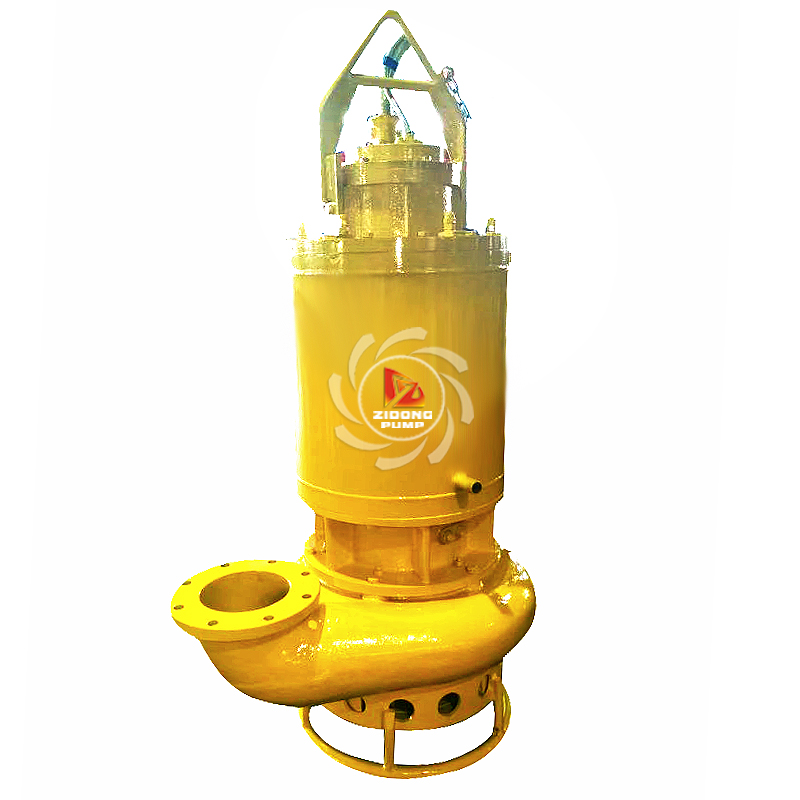
A sump pump pit usually has one PVC(most common) pipe penetration through the top. PVC is commonly used for sump pump discharge and feed lines because it is relatively inexpensive, durable, and corrosion-resistant. When you open the pit, look for inlet lines. These will be pipes at various positions that discharge property or building water into the pit. This discharge water can be from the surrounding weeping tile system or from the building itself, such as subsurface plumbing waste/sanitary-drainage systems. Also, look for submersible pumps, pedestal pumps, float switches, and high-water alarm systems. These are all key components of sump pump system.
To find a sump pump, check for electrical connections. A sump pump needs constant power and backup power. That means it will be plugged in or hard-wired to a GFCI-dedicated circuit. In addition, if the power goes out, such as in a storm, when your sump pump would be most needed, the backup power source will give power to the sump pump in lieu of the dedicated home circuit. Looking for sources of this power, such as on breaker panels or through the presence of backup generators or batteries, is a good way to find the sump pump. Trace the backup power or power lines to the origin to find the sump pump.
Sometimes a sump pump and sump pit will be found outdoors. But this is unlikely. In these cases it’s likely the outdoor sump pump and sump pit are just for managing groundwater, drainage, or flooding outside the home.
If your home is built on slab-on-grade (SOG), meaning it doesn’t have a basement, you very likely don’t have a sump pump. If the foundation is not extended into the ground and there is no basement, water from around the property is less likely to damage the concrete structure. So, a sump pump is not needed in these cases. Generally, the groundwater level will be well below any of your structures anyway. However, if you are in an area prone to flooding or heavy rainwater that can lead to water pooling, a sump pump could still help to manage excess water. It’s just that sump pumps are not typical for slab-on-grade construction.
Bookmark
Daniel Féau processes personal data in order to optimise communication with our sales leads, our future clients and our established clients.


This site is protected by reCAPTCHA and the Google Privacy Policy and Terms of Service apply.