

EUR
en
Lithium battery recycling is the process of recovering materials from used lithium-ion batteries. The goal of this process is to extract valuable materials, such as lithium, cobalt, and nickel, that can be used to manufacture new batteries and reduce the environmental impact of battery production and disposal.
The main objective of lithium battery recycling is to extract valuable materials such as lithium, cobalt, nickel, and other metals, which are essential components in the manufacturing of new batteries.
By reclaiming these materials, the need for raw material mining is significantly reduced, which helps to preserve natural resources, lower greenhouse gas emissions, and minimize the environmental footprint of the battery industry.
Moreover, recycling also helps to address concerns about the scarcity and rising costs of these critical materials, ensuring a more sustainable and circular economy. In addition, it helps prevent harmful chemicals from entering landfills, reducing the risk of soil and water contamination.
1. Collection and transportation: Used lithium-ion batteries are collected from various sources, including consumer electronics, electric vehicles, and industrial equipment. They are then transported to a recycling facility.
2. Sorting and disassembly: The batteries are sorted and disassembled to separate the components, such as the cathode, anode, and separator.
3. Separation: The components of the battery are separated using a variety of techniques, such as chemical leaching, pyrometallurgical processing, or mechanical separation. This allows valuable materials, such as lithium, cobalt, and nickel, to be recovered.
4. Purification and refining: The recovered materials are purified and refined to remove impurities and prepare them for reuse in manufacturing new batteries.
5. Final product: The purified materials are sold to battery manufacturers or other users as feedstock for new battery production.
Overall, lithium battery recycling aims to recover valuable materials from used batteries in an environmentally responsible manner while reducing the demand for raw materials and energy required for battery production.
Several types of pumps may be used in lithium battery recycling plants to transfer liquids, such as electrolytes, acids, and bases, from one location to another. The specific type of pump used will depend on the application’s requirements, such as the flow rate, pressure, and viscosity of the liquid being pumped.
Centrifugal pumps: These pumps use centrifugal force to generate flow and pressure, which allows them to move liquids over long distances or against high pressures. They commonly transfer electrolytes and other fluids in lithium battery recycling plants.
Diaphragm pumps: These pumps use a flexible diaphragm to move liquids and are typically used for transferring corrosive or abrasive fluids. They are often used in lithium battery recycling plants to transfer acids and bases.
Peristaltic pumpsuse a flexible tube or hose squeezed by a roller or shoe, pushing the liquid through the pump. They are often used in lithium battery recycling plants to transfer sensitive or fragile liquids, such as electrolytes, other types of pumps may damage that.
Piston pumpsuse pistons or plungers to move liquids through a cylinder or hose. They are often used in lithium battery recycling plants to transfer high-viscosity liquids, such as pastes or sludges.
Screw pumpsuse a rotating screw or impeller to move liquids through a channel or pipe. They are often used in lithium battery recycling plants to transfer thick or viscous fluids, such as slurries or pastes.
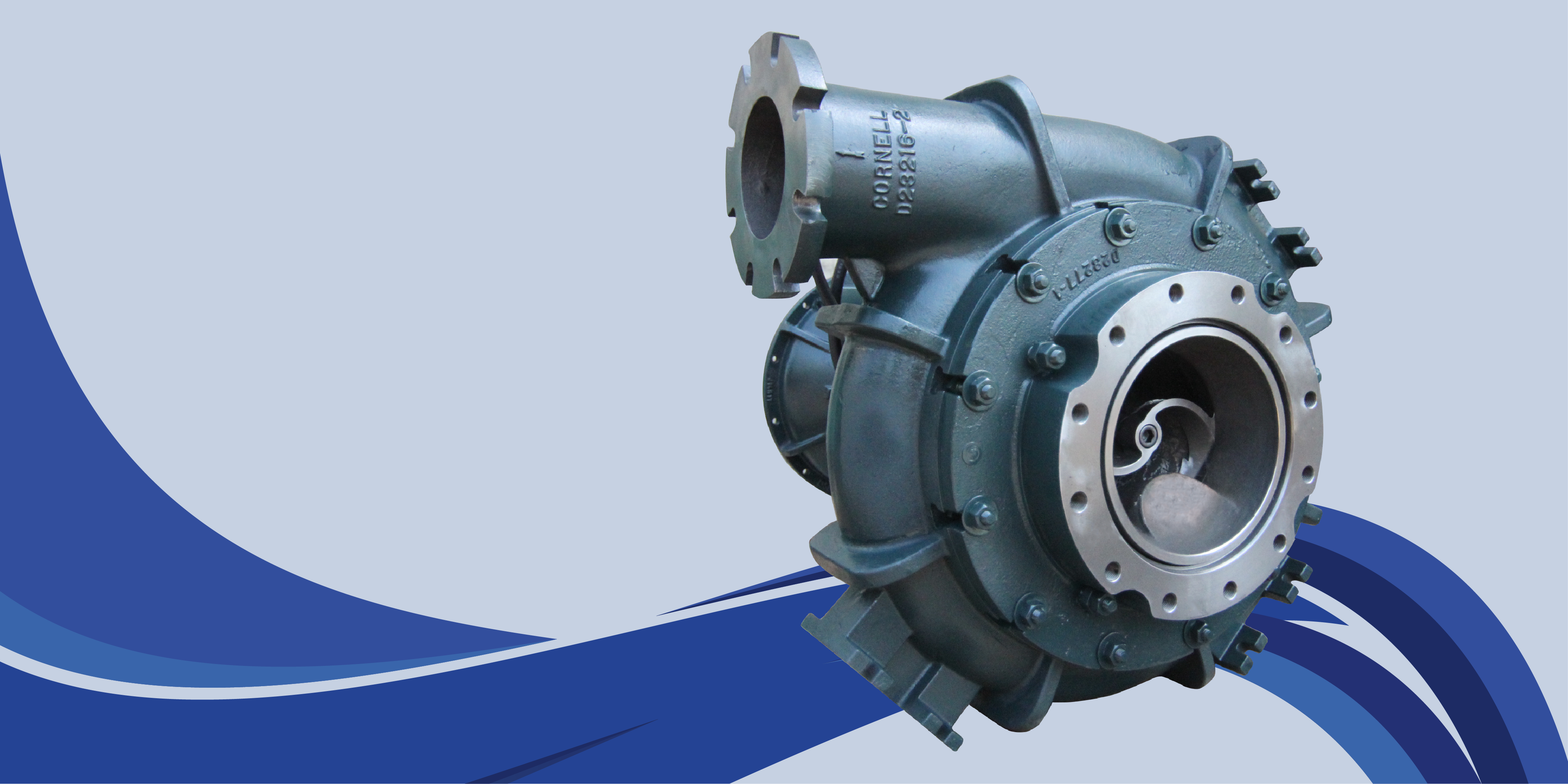
Centrifugal pumpsare commonly used in lithium battery recycling plants to transfer liquids, such as electrolytes, from one location to another. These pumps use centrifugal force to generate flow and pressure, which allows them to move liquids over long distances or against high pressures.
Several types of centrifugal pumps may be used in lithium battery recycling, including end-suction pumps, multistage pumps, and horizontal split-case pumps. The type of pump used will depend on the application’s specific requirements, such as the flow rate, pressure, and viscosity of the liquid being pumped.
In lithium battery recycling plants, centrifugal pumps transfer electrolytes from one process step to another, such as from the battery disassembly area to the solvent recovery system. They may also share chemicals, such as acids and bases, used in recycling.
It is essential to properly maintain and operate centrifugal pumps in lithium battery recycling plants to ensure their efficiency and reliability. This may include regularly inspecting and cleaning the pumps and replacing worn or damaged parts as needed.
Bookmark
Daniel Féau processes personal data in order to optimise communication with our sales leads, our future clients and our established clients.



This site is protected by reCAPTCHA and the Google Privacy Policy and Terms of Service apply.