








EUR
en
The EDDY Pump Discharge Slurry Hose is engineered for high-abrasion slurry transfer in dredging, mining, and marine pumping operations. Built with a heavy-duty rubber tube, high-tensile fabric reinforcement, and helical steel wire, it delivers reliable performance at working pressures up to 150 PSI. Embedded, welded ANSI 150 fixed flanges provide a secure, leak-resistant connection and faster installation. Designed for flexibility, durability, and long service life, this slurry hose is supplied ready to install with standard 33 ft lengths for efficient system integration.
Engineered for abrasive slurry discharge involving sand, seawater, and high solids mixtures. Heavy-duty rubber tube construction delivers strong wear resistance and extended service life. High-tensile fabric reinforcement combined with helical steel wire improves pressure stability and hose integrity. Embedded, welded ANSI 150 fixed flanges reduce leak points and eliminate flange movement during operation. Ready to install the design supplied with nuts, bolts, and gaskets for faster setup. Rated for 150 PSI working pressure with a 3:1 safety factor for reliable field performance. Flexible construction supports tighter bend radii without compromising structural strength. Suitable for demanding dredging, mining, marine construction, and industrial pumping applications.
Tube: NR, BR, SBR Reinforcement: High tensile strength fabric with helix steel wire Cover: NR, CR Flange type: Embedded, welded, fixed flange Vacuum rating: Not suitable for negative pressure
Working pressure: 150 PSI Safety factor: 3:1 Operating temperature range: -20°C to 80°C
33 ft (10 m)
Standard: ANSI 150 PSI Flange material: Carbon steel
| **Hose Size** | **Inner Diameter** | **Outer Diameter** | **Inner Layer Thickness** | | --- | --- | --- | --- | | 4 inch | 4 inch (102 mm) | 5 inch (128 mm) | 5/16 inch (8 mm) | | 6 inch | 6 inch (152 mm) | 7 inch (182 mm) | 5/16 inch (8 mm) | | 8 inch | 8 inch (203 mm) | 9.3 inch (237 mm) | 5/16 inch (8 mm) | | 10 inch | 10 inch (254 mm) | 11.3 inch (288 mm) | 5/16 inch (8 mm) | | 12 inch | 12 inch (300 mm) | 13.3 inch (338 mm) | 5/16 inch (8 mm) |
| **Hose Size** | **Bolt Holes** | **Bolt Hole Diameter** | **Flange Thickness** | **Flange Outer Diameter** | | --- | --- | --- | --- | --- | | 4 inch | 8 | 5/16 inch (18 mm) | 0.89 inch (22.5 mm) | 9 inch (228 mm) | | 6 inch | 8 | 7/8 inch (22 mm) | 0.94 inch (24 mm) | 11 inch (278 mm) | | 8 inch | 8 | 7/8 inch (22 mm) | 1.15 inch (29 mm) | 13.5 inch (345 mm) | | 10 inch | 12 | 1 inch (26 mm) | 1.18 inch (30 mm) | 16 inch (405 mm) | | 12 inch | 12 | 1 inch (26 mm) | 1.26 inch (32 mm) | 19 inch (485 mm) |
| **Hose Size** | **Bend Radius Range** | | --- | --- | | 4 inch | 24.5 to 40 inches (620 to 1020 mm) | | 6 inch | 36 to 60 inches (920 to 1520 mm) | | 8 inch | 48 to 80 inches (1220 to 2030 mm) | | 10 inch | 60 to 100 inch (1530 to 2540 mm) | | 12 inch | 72 to 120 inches (1820 to 3040 mm) |
Commonly used in cutter suction dredges, excavator-mounted dredge pumps, and floating dredge systems where large volumes of abrasive slurry must be transported over long discharge distances. The hose accommodates sand-rich material, variable flow conditions, and pipeline movement while maintaining structural integrity and consistent discharge performance.
Applied in mining slurry lines for tailings transport, mineral processing discharge, and pit dewatering operations. The abrasion-resistant inner tube and reinforced construction help manage sharp, heavy solids and high-solids mixtures while supporting continuous, high-duty operation in harsh mining environments.
Used in port development, land reclamation, and shoreline protection projects where slurry and dredged material must be discharged reliably into marine environments. The hose withstands seawater exposure, external abrasion, and dynamic motion from waves, tides, and vessel repositioning.
Supports industrial applications involving abrasive fluids, process water, and solids-laden discharge streams. Commonly installed in fixed or semi-mobile pumping systems, where durability, pressure stability, and leak-resistant flanged connections are critical for uninterrupted operations.
Utilized in drilling support activities, including pit cleaning, slurry transfer, and wastewater discharge. The hose handles abrasive solids and variable flow rates while maintaining pressure control and flexibility required for temporary and mobile oilfield setups.
Used for sludge discharge, lagoon transfer, and solids handling within municipal and industrial treatment plants. The heavy-duty rubber tube helps resist wear from grit and debris while maintaining flow efficiency over extended operating cycles.
Deployed for site dewatering, slurry removal, and spoil transfer on infrastructure and excavation projects. The hose enables fast setup and repositioning while maintaining strength and flexibility under abrasive material flow and demanding job-site conditions.
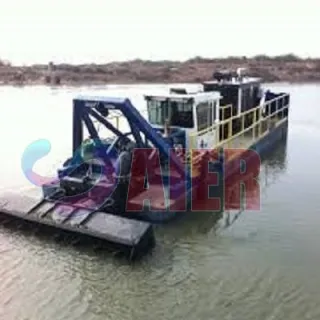
A dredging contractor operating a cutter-suction dredge was discharging large volumes of coarse sand through a floating discharge pipeline. The connection between the dredge pump and the pipeline experienced constant movement due to dredge repositioning, wave action, and pipeline flexing. Standard discharge hoses were failing prematurely due to abrasion, flange leaks, and fatigue, resulting in frequent shutdowns and high replacement costs.
The contractor installed the EDDY Pump Discharge Slurry Hose at the critical transition point between the pump discharge and the floating pipeline. The hose’s heavy-duty rubber tube provided improved abrasion resistance for sand-rich slurry. At the same time, the high-tensile fabric and helix steel wire reinforcement allowed the hose to flex without structural damage. Embedded, welded ANSI 150 fixed flanges ensured a secure, leak-resistant connection despite continuous movement.
The upgraded discharge hose significantly reduced unplanned downtime and eliminated recurring flange failures. Hose service life increased, maintenance interventions were reduced, and the dredging operation maintained steady production rates over extended runs. The improved reliability of the discharge line enabled the contractor to complete dredging phases on schedule while reducing overall operating and replacement costs.
The discharge slurry hose is designed for handling abrasive slurry mixtures, including sand, seawater, and solids-laden fluids. It is commonly used in dredging, mining, marine construction, wastewater handling, industrial pumping, and construction dewatering applications that require durability and flexibility.
The hose is manufactured with a heavy-duty rubber inner tube made from NR, BR, or SBR compounds. It is reinforced with high-tensile-strength fabric and helical steel wire, and finished with an outer cover made of NR or CR to provide structural support and abrasion resistance.
The hose is rated for a working pressure of 150 PSI and is built with a 3:1 safety factor. This rating ensures reliable slurry discharge under demanding operating conditions while maintaining a safety margin during pressure fluctuations.
No, this discharge slurry hose is not designed for negative pressure or suction applications. It is intended strictly for discharge service where the pump applies positive pressure.
The hose is designed to operate between -20°C and 80°C. This allows it to perform reliably in both cold and warm environments commonly encountered in dredging, mining, and marine projects.
The hose is supplied with embedded, welded, fixed flanges that meet ANSI 150 PSI standards. The flanges are made of carbon steel and provide a secure, leak-resistant connection that reduces movement at the coupling points.
Each discharge slurry hose section is supplied at a standard length of 33 ft (10 m). This length supports efficient system layout and minimizes the number of connections required in long discharge pipelines.
The hose is available in nominal diameters ranging from 4 inches to 12 inches. This size range allows compatibility with common dredge pumps, industrial pumps, and discharge pipeline systems.
The hose is designed to maintain flexibility while handling abrasive slurry flow. Its construction supports defined minimum bend radii based on hose size, allowing it to accommodate pipeline movement, dredge repositioning, and uneven terrain without compromising structural integrity.
Compared to standard rubber hoses, this slurry hose offers improved abrasion resistance, stronger reinforcement, integrated fixed flanges, and a higher pressure rating. These features contribute to a longer service life, reduced maintenance, fewer leaks, and more reliable performance in demanding slurry-discharge applications.
Bookmark
Daniel Féau processes personal data in order to optimise communication with our sales leads, our future clients and our established clients.


This site is protected by reCAPTCHA and the Google Privacy Policy and Terms of Service apply.