






EUR
en
Abrasive slurry pumps are specialized slurry pumps engineered to handle highly abrasive slurries—mixtures containing hard, sharp particles like sand, gravel, ore, or slag. Unlike standard slurry pumps, they feature wear-resistant components to withstand constant friction, making them essential for industries where conventional pumps would fail quickly. Whether transporting mining tailings, dredging sediment, or handling industrial sludge, abrasive slurry pumps ensure reliable, long-term performance in the harshest fluid-handling environments.
DCS Trough-Type Slurry Pumps feature a unique design with convenient installation and exceptional performance. They are engineered for pumping foamy slurry containing gases, suitable for both continuous operation and intermittent feeding applications. Ideal for handling mortar, slurry, and concentrated liquids with impurities, these pumps support mobile installation.
DZG series pumps are horizontal, single-stage, single-suction, cantilever centrifugal pumps with an axial suction inlet. They are widely used in industries such as New Building Materials, Coal Washing, Metallurgy, Mining, Power Generation, Water Conservancy, Chemical Processing, Petrochemical Refining, and Petroleum for the hydraulic transport of materials including slurry, tailing slurry, ash slag, mud, sand, gravel, residual oil, and oil/sand-containing wastewater. These pumps are designed to handle high-temperature media.
Type DMJ centrifugal slurry pump is a single-stage, single-suction, axially suction cantilever centrifugal pump. It can be widely used in industries such as New Building Materials, Coal Washing, Metallurgy, Mining, Power Generation, Water Conservancy, Chemical Processing, Petrochemical Refining, and Petroleum for the hydraulic transport of materials including slurry, tailing slurry, ash slag, mud, sand, gravel, residual oil, and oil/sand-containing wastewater.
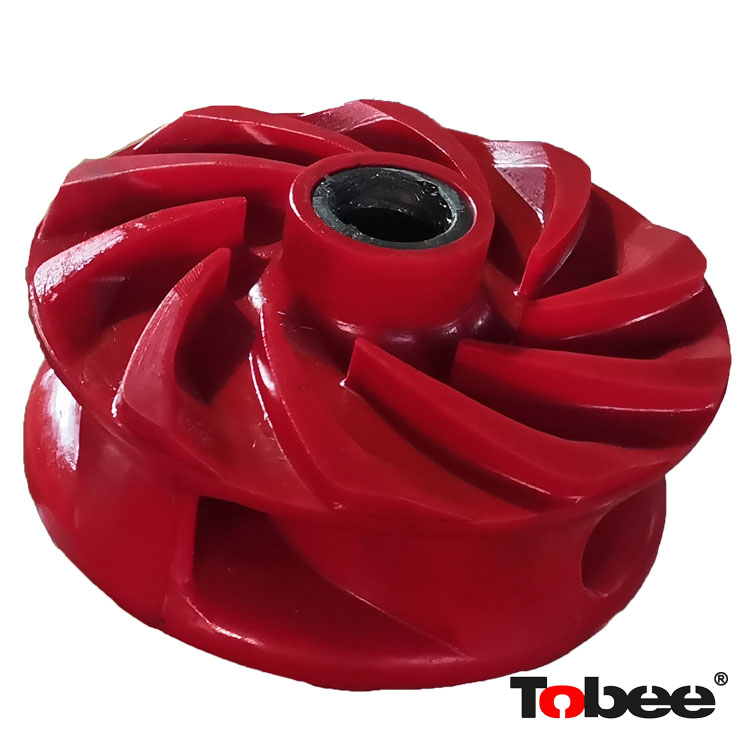
Abrasive slurry pumps are designed to solve one critical problem: handling slurries that destroy ordinary pumps. What makes them different? It starts with materials—key components like impellers, casings, and liners are crafted from wear-resistant alloys (high-chromium white iron), rubber composites, or ceramics, all chosen to resist abrasion from sharp, hard particles.
Unlike standard centrifugal pumps, abrasive slurry pumps feature reinforced structures: thicker casings to withstand impact, optimized impeller vanes to reduce particle buildup, and advanced sealing systems to prevent slurry leakage into bearings. These design choices directly address the biggest pain point for users: frequent breakdowns and high replacement costs in abrasive environments.
Whether you’re moving 50% solid-content mining slurries, gravel-laden dredging mixtures, or slag from industrial furnaces, these pumps deliver consistent performance. Their versatility extends to industries like construction (handling concrete slurry), wastewater treatment (grit removal), and mineral processing—anywhere abrasive particles are part of the process.
Choosing the right abrasive slurry pump means considering your slurry’s particle size (up to 100mm in heavy-duty models), concentration, and abrasiveness. Reputable manufacturers offer customizable options, from replaceable abrasive slurry pump parts to tailored motor power, ensuring the pump matches your exact needs—no overpaying for unnecessary features, no underperforming in critical operations.
Q: What factors should I consider when choosing an abrasive slurry pump?
A: Key factors include slurry particle size (larger particles need wider impeller passages), solid concentration (higher concentrations require heavier-duty materials), and operating pressure (to match pipeline length/height).
Q: How often do abrasive slurry pump parts need replacement?
A: It depends on abrasiveness—impellers and liners in sand or ore applications may last 1,000–3,000 hours, while in less abrasive sludge, they can last 5,000+ hours. Regular inspections (monthly) help catch early wear.
Q: Can abrasive slurry pumps handle corrosive slurries?
A: Yes—models with rubber linings or stainless steel components resist both abrasion and corrosion, making them suitable for acidic/alkaline slurries (e.g., chemical wastewater with grit).
Q: Are there cost differences between standard slurry pumps and abrasive models?
A: Abrasive slurry pumps are typically pricier due to wear-resistant materials (high-chromium alloy, ceramics), but they reduce long-term costs by minimizing replacements and downtime.
Bookmark
Daniel Féau processes personal data in order to optimise communication with our sales leads, our future clients and our established clients.


This site is protected by reCAPTCHA and the Google Privacy Policy and Terms of Service apply.