




EUR
en
A filter press is a machine that separates solids from liquids using pressure and filter cloths. It is one of the most effective solid-liquid separation technologies used across industries such as mining, chemicals, pharmaceuticals, food and beverages, and wastewater treatment.
The working principle is simple: slurry is pumped into chambers formed by filter plates. Pressure forces liquid through the filter cloths while solids remain to form a filter cake.
Over time, filter presses have evolved from simple mechanical designs to advanced automated systems equipped with hydraulic power packs, programmable logic controllers (PLCs), plate shifting mechanisms, and cloth washing systems. These improvements have increased efficiency, reduced labor requirements, and improved workplace safety.
This article covers the main types of filter presses, their key components, and the industries that use them.
Recessed chamber presses use specially designed plates with built-in recesses that create chambers when compressed together. This eliminates the need for separate frames.
High cake solids and efficient dewatering.
Better pressure distribution and uniform filtration.
Superior cake washing capability.
Commonly used in mining, chemical processing, and wastewater treatment for consistent cake quality.
This is the traditional filter press design, consisting of alternating plates and hollow frames covered with filter cloths.
Flexible, modular design allowing capacity adjustments.
Easy filter cloth replacement and thorough cleaning.
Suitable for batch processes and high-solids slurries.
Widely used in food, beverage, and pharmaceutical industries where product quality and hygiene are critical.
Fully automatic systems integrate hydraulic cylinders, PLC controls, automatic plate shifting, and cake discharge conveyors. They are designed for high-volume, continuous operations.
Minimal manual intervention required.
Consistent pressure and uniform cake quality.
Safer and faster operation with reduced labor costs.
Used in large-scale mining operations and municipal wastewater treatment plants.
Membrane presses combine recessed chamber plates with flexible membranes. After initial filtration, membranes are inflated with air or water to squeeze the cake further, reducing moisture content.
Produces drier cakes and lowers disposal costs.
Reduces transportation costs by lowering cake weight.
Improves cake release and overall cycle efficiency.
Widely used in mining, ceramics, and clay processing where moisture control is crucial.
Frame: The main body providing strength and stability.
Fixed Head (Stationary Plate): Point of slurry inlet.
Moving Head (Closing Plate): Compressed by the hydraulic cylinder to close the plate pack.
Side Bars/Top Beam/Four-Column Frame: Support for plates.
Filter Plates: Recessed chamber or membrane plates, made of polypropylene, steel, or cast iron.
Filter Cloths: Mounted on plates and selected based on pore size and chemical compatibility.
Hydraulic Cylinder and Power Pack: Provides closing force for the plate pack.
Closing Mechanism: May be manual screw, hydraulic hand pump, or automatic hydraulic cylinder.
Plate Shifting Mechanism: Manual or automatic shifting of plates for cake discharge.
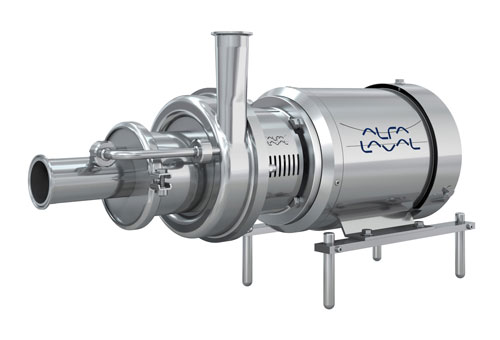
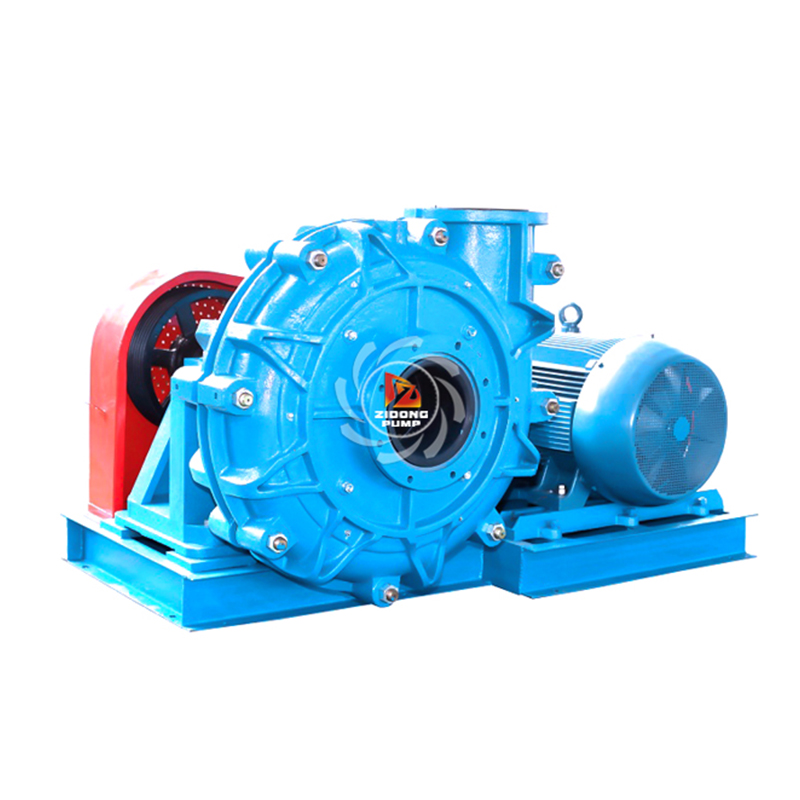
Feed Pump: Delivers slurry at required pressure and flow.
Piping and Valves: Includes slurry inlets, filtrate outlets, washing lines, and air blow.
Drip Tray and Cake Chute: Collects filtrate and directs it to recovery or drainage.
Cake Discharge System: Manual, mechanical shakers, or automated plate opening conveyors.
Membrane Squeeze System: Provides additional compression for drier cakes.
Automatic Cloth Washing System: High-pressure sprays clean cloths during operation.
Safety Features: Includes pressure switches, interlocks, guards, and overflow protection.
Used for tailings dewatering, ore concentrates, and coal preparation.
Recessed chamber and membrane presses are preferred for handling abrasive slurries.
Plate and frame presses provide flexibility and ease of cleaning for product changeovers.
Membrane presses recover valuable catalysts and improve product yield.
Sanitary plate and frame presses clarify wines, oils, juices, and beer.
Designed with food-grade materials and quick cloth replacement for hygiene compliance.
Fully automatic filter presses are used for municipal and industrial sludge dewatering.
Automated systems ensure consistent operation with minimal labor.
When selecting a filter press, consider:
Slurry Properties: Particle size, solids concentration, chemical compatibility.
Production Volume: Batch or continuous processing requirements.
Automation Needs: Manual, semi-automatic, or fully automatic operation.
Economic Factors: Balance between initial investment, operational costs, and long-term savings.
Filter presses are vital for industries that require efficient solid-liquid separation. From simple plate and frame designs to fully automated membrane systems, each type offers unique advantages based on process requirements.
By understanding the types, components, and automation options, businesses can select the most suitable filter press for reliable, cost-effective, and long-term operation.
For expert guidance, consult an experienced filtration equipment manufacturer who can provide customized solutions based on your industry’s specific challenges.
Q: What is the most common type of filter press used in industry? A: Recessed chamber filter presses are currently the most widely used type due to their efficient design, high capacity, and reliable performance across diverse industrial applications.
Q: How do I determine the right filter press size for my application? A: Filter press sizing depends on slurry volume, solids concentration, desired cycle time, and required cake dryness. Professional evaluation of these factors ensures optimal equipment selection.
Q: What industries benefit most from fully automatic filter presses? A: High-volume operations in mining, wastewater treatment, and chemical processing benefit most from automation due to labor savings, consistent operation, and improved safety.
Q: Can filter presses handle corrosive materials? A: Yes, filter presses can be constructed with corrosion-resistant materials like stainless steel, polypropylene, or specialized coatings to handle aggressive chemicals safely.
Q: What maintenance is required for different filter press types? A: Maintenance varies by type, but generally includes filter cloth replacement, hydraulic system servicing, and plate inspection. Automated systems require additional PLC and sensor maintenance.
Bookmark
Daniel Féau processes personal data in order to optimise communication with our sales leads, our future clients and our established clients.


This site is protected by reCAPTCHA and the Google Privacy Policy and Terms of Service apply.