







EUR
en
The UK vape tax (Vaping Products Duty) is a new excise duty on vape liquids supplied in the UK from 1 October 2026. It covers liquids intended for vaping, including bottled e-liquids, pod refills, cartridges, and nicotine-free liquids. This duty is charged at a single flat rate per ml. That means the duty included in the price depends on liquid volume, not nicotine strength. Larger bottles and higher total ml purchases include more duty because there’s more liquid in scope.
For the purposes of the UK vape tax, a product is taxable if it contains vaping liquid intended to be vaporised in an e-cigarette, pod kit, or other vape device. In practical terms, if you’re buying liquid to vape, it is likely in scope of Vaping Products Duty. The duty applies to the liquid, not the hardware. Vape kits, tanks, coils, chargers, and batteries are not taxed unless they contain prefilled liquid. Single-use (disposable) vapes have been banned from sale since 1 June 2025, so this guide focuses on how duty applies to vape liquids legally sold in reusable formats (bottles, prefilled pods/cartridges and similar compliant products).
HMRC defines vape liquid by intended use, not by ingredients. This means the vape liquid tax applies whether or not nicotine is present. A bottle labelled 0mg is still taxable because it is formulated for vaping. All qualifying liquids are taxed at the same per-ml rate, ensuring a consistent and loophole-free system.
The vape tax starts on 1 October 2026. From that date, vape liquids in scope must be duty-paid through compliant supply chains, and duty stamps are part of HMRC's intended controls at retail. A key timeline detail matters for shoppers and retailers: HMRC also states that from 1 April 2027 it becomes an offence to sell vaping products without a vaping duty stamp unless the product is in duty suspension.
Understanding the vape tax rates will help you estimate how much vape liquid may cost once the new duty begins in October 2026. Although earlier summaries often described “nicotine bands”, HMRC’s published approach for Vaping Products Duty is a flat-rate model charged per millilitre. That means the duty included in a product’s price depends on the total liquid volume (ml), not nicotine strength. This calculation applies consistently across formats, including bottled e-liquids, shortfills, and prefilled pods. Retailers will include the duty in shelf prices, but understanding the method helps you compare formats and plan ahead more confidently.
Under the flat-rate model, nicotine strength does not change the duty rate. The only factor that affects the amount of duty included in the price is the product’s liquid volume.
Although the duty will already be included in retail prices, you can work out how much tax applies to any product using the same simple method: Vape tax = total millilitres × £0.22 This applies to all vape liquids, including bottled e-liquids, shortfills, and prefilled pod refills. Nicotine content does not affect the calculation.
Nicotine-free liquids are included because HMRC defines taxable products by intended use, not ingredients. If a liquid is designed for vaping, it falls within scope of the duty. There is no lower rate for 0mg liquids under the flat-rate model, so nicotine-free vape juice is taxed at the same per-ml rate as nicotine-containing liquids. There’s also no different tax treatment for nicotine salt vs freebase liquids. Under the vape tax, both formats are treated the same and charged at the same flat per-ml rate—any price differences usually come from formulation, brand positioning, bottle size, or retail pricing rather than the duty itself.
The UK vape tax affects different vape formats differently, not because of nicotine strength, but because each format contains a different amount of vape liquid. Under the Vaping Products Duty, the tax is charged at a flat rate per millilitre, so the total duty you pay increases in direct proportion to how much liquid a product contains. When the duty begins in October 2026, the price change you see will be driven mainly by volume, not by whether the liquid is nicotine-free or high-strength. Understanding how much liquid is in your preferred format makes it easier to anticipate price changes and plan your purchases with fewer surprises.
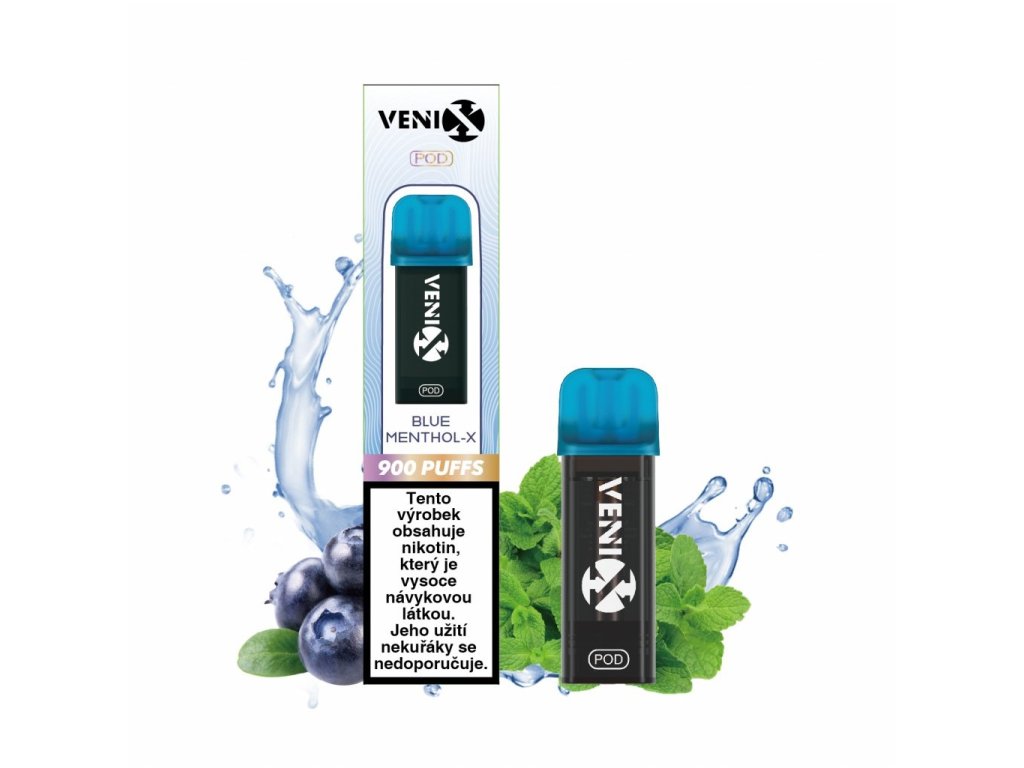
Prefilled pods are taxed based on the amount of liquid inside each pod. Most standard pods contain 2ml of vape liquid, so the duty is calculated simply by volume. At the confirmed rate of £0.22 per ml, a 2ml pod includes £0.44 in vape tax. If you use multiple pods each week, the duty adds up across your total liquid use over time. The pod casing or hardware itself is not taxed, only the liquid inside is subject to the duty.
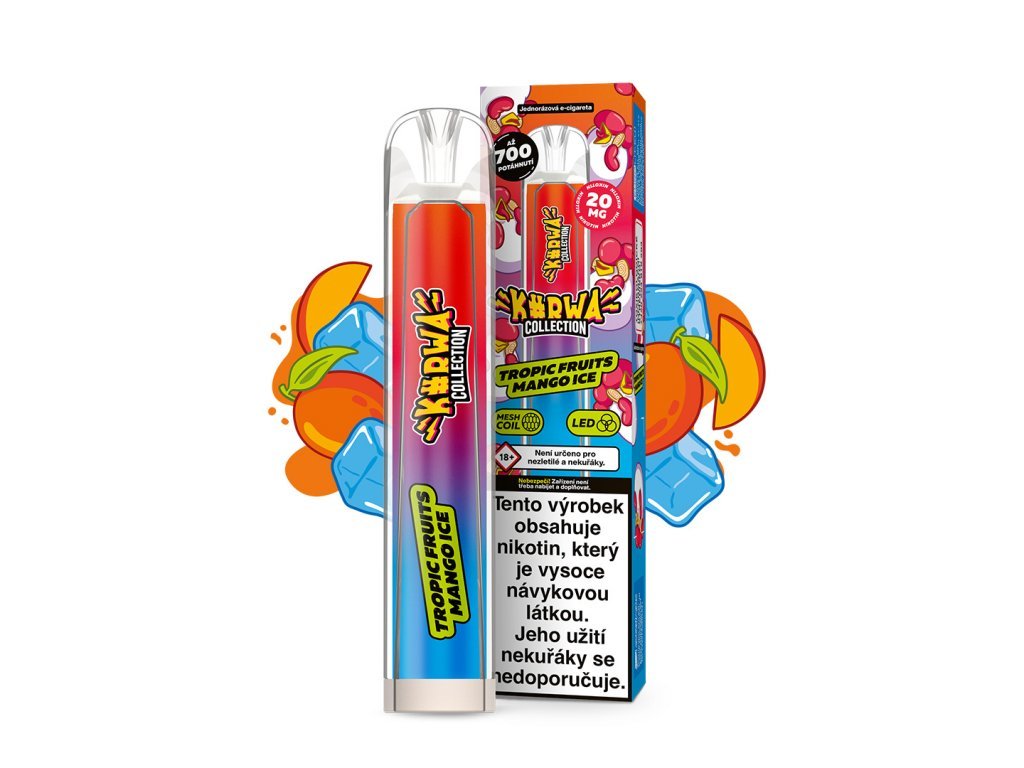
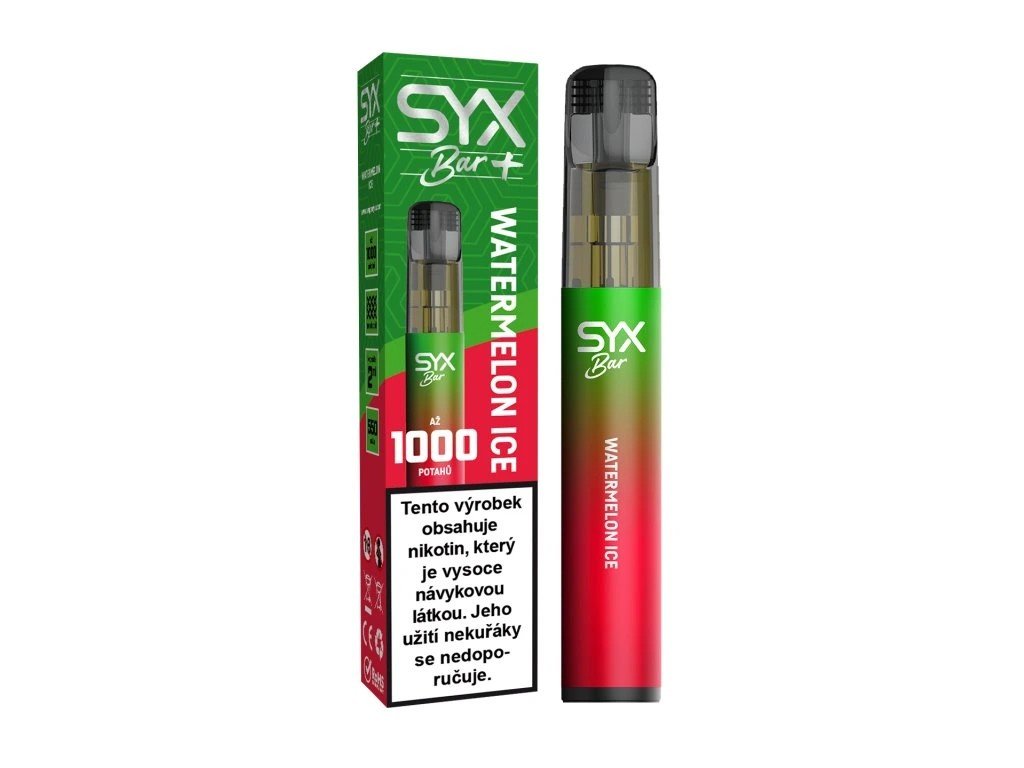
Single-use disposable vapes were banned from sale in the UK from 1 June 2025. As a result, they will not be legally available at retail level when the vape tax comes into force in October 2026. In practical terms, this means disposable vapes are not expected to be part of the consumer-facing vape tax system. While vape liquid itself is taxable by volume, selling disposable devices after the ban would be unlawful, which is why the impact of the duty is focused on refillable systems, bottled liquids, and pod-based products that remain legal.
Shortfills attract a higher total amount of vape tax because they contain significantly more liquid than standard bottles. For example, a 50ml shortfill includes £11.00 in duty, while a 100ml shortfill includes £22.00, based purely on volume. Even though most shortfills are sold as 0mg, they are still taxable because the duty applies to any liquid intended for vaping. While the upfront duty is higher, shortfills can still work out better value per ml compared with buying multiple smaller bottles.
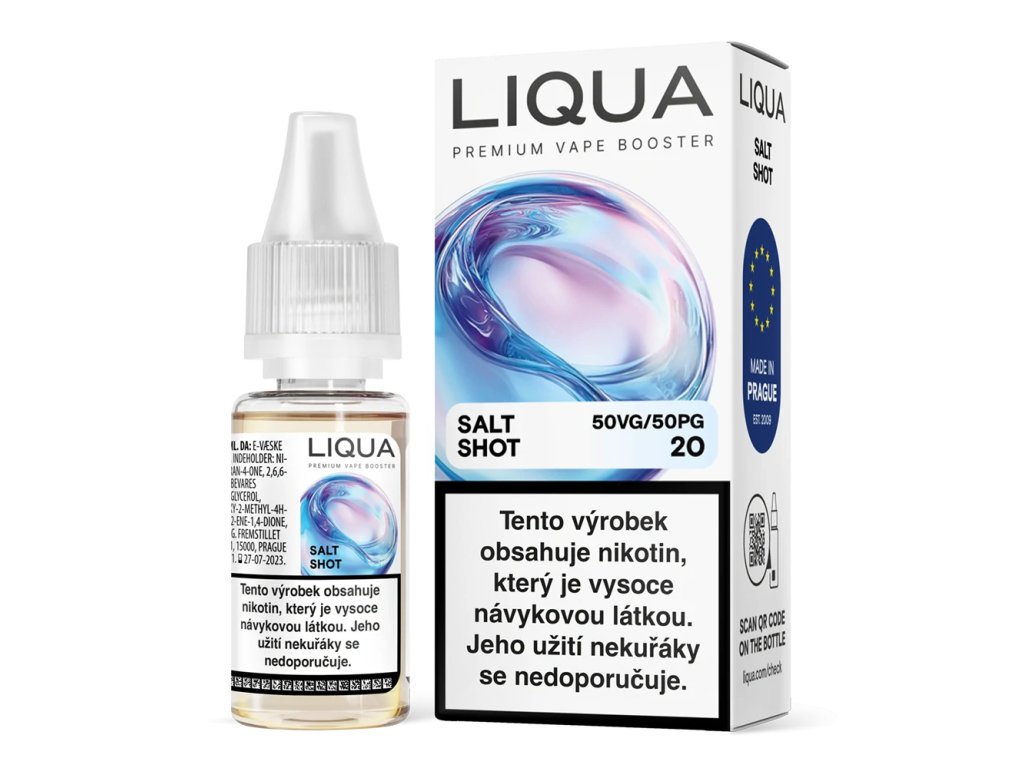
Freebase 50/50 liquids are typically sold in 10ml bottles, and each bottle includes £2.20 in vape tax, regardless of nicotine strength. There is no reduced rate for lower-strength liquids. Any price difference between freebase liquids and other formats reflects product pricing and retail margins, not how the vape tax is calculated. As with all products, the total duty depends on volume, not formulation.
Big-puff and multi-chamber devices store vape liquid across several sealed pods or chambers, often limited to 2ml per chamber. While each individual chamber is small, the total amount of liquid used across multiple chambers can be substantial. Under the vape tax, the duty applies to the total liquid volume, not how that liquid is divided inside the device. If a device uses five 2ml chambers, that equals 10ml of liquid in total, resulting in £2.20 of duty applied across the refills.
Refillable vape kits themselves are not taxed. The vape tax applies only to the liquid you buy, not the device, tank, coil, or battery. Using refillable kits gives you more control over how much liquid you purchase and how quickly you go through it. Because the duty is volume-based, managing bottle sizes and usage patterns can help predict how the vape tax affects your overall spend once the new system begins.
The UK vape tax being introduced in 2026 is designed to bring vape liquids under a clear excise duty system and support wider regulation of the market. From 1 October 2026, vaping liquids in scope will move into a duty-paid framework with an HMRC control system alongside it. Government policy papers present the duty as part of a wider approach that includes market oversight and discouraging underage access. Pricing is referenced as one lever (alongside enforcement and age restrictions), while adult customers buying lawful products will see the duty built into shelf prices from October 2026. Like other excise duties, the vape tax will generate public revenue. It also strengthens oversight by making it easier for HMRC to track duty-paid vape liquids through the supply chain and confirm duty-stamp compliance. Because the duty is applied consistently to every millilitre of vape liquid, HMRC can enforce clear rules around pricing, labelling, and duty stamps from the moment the system begins. This creates a more transparent and predictable market for manufacturers, retailers, and customers alike.
The 2026 vape tax is calculated using one simple factor: the total number of millilitres of vape liquid you buy. Under the Vaping Products Duty, the duty is charged at a flat rate per millilitre, regardless of nicotine strength. This means the total amount of duty built into the price depends entirely on the liquid's volume, not on whether it's high-strength, low-strength, or nicotine-free. You can use this simple approach to estimate how much vape tax will be included in the price of your usual bottles, pods, or refills once the new rules begin in October 2026. Start by checking the total liquid volume of the product you buy. This is usually listed clearly on the bottle or pod packaging. Because the duty is charged per millilitre, products containing more liquid incur a higher total duty. The confirmed Vaping Products Duty rate used in the calculator is £2.20 per 10ml, which is the same as £0.22 per ml. This rate applies to all vape liquids, including nicotine salts, freebase e-liquids, and 0mg liquids, so nicotine strength does not change the calculation. The standard formula is: Vape tax = total millilitres × £0.22.
From October 2026, vape liquids supplied through legal UK channels will move into the duty-paid system. For customers, the practical goal is simple: be able to recognise compliant retail stock and avoid anything that looks tampered with, reboxed, or missing key information. HMRC’s guidance sets out how duty stamps will be used to control duty-paid vaping products at retail. Vaping duty stamps are HMRC-issued, highly secure physical labels attached to the outermost retail packaging (the box, or the bottle if sold without a box). They also include a digital feature (such as a QR code) used for supply-chain verification checks, and the stamp must seal the packaging so the product cannot be opened without damaging the stamp or pack. HMRC also describes a transitional vaping duty stamp for a limited period, which includes physical security features but not the digital scanning feature. From 1 October 2026, duty must be paid and stamps applied at the point of packaging for retail sale. From 1 April 2027, it becomes an offence to sell vaping products without a duty stamp unless they are in duty suspension. From October 2026, retail vape products must carry a vaping duty stamp on the outer packaging. Aside from this, vape liquids must continue to meet existing UK product and labelling requirements under the Tobacco and Related Products Regulations 2016, including nicotine warnings and volume limits. Vape and Go will stock vape liquids through regulated suppliers and apply UK age verification. Product pages should show accurate ml volume and nicotine information so you can see what you’re buying before checkout, and spot compliant items more easily once duty stamps and controlled stock become standard.
Although the UK vape tax applies nationwide from October 2026, enforcement activity and local retail oversight can differ depending on where you live or shop. The duty itself is UK-wide, but practical compliance checks may vary by region and by enforcement priorities. Across England, Scotland, Wales, and Northern Ireland, the Vaping Products Duty rate and structure are the same. The duty is charged on vape liquid by volume, and the same stamp and compliance rules apply to taxable products supplied in the UK. For customers, this means product eligibility, pricing structure, and duty-stamp requirements are consistent across the UK. The Channel Islands and the Isle of Man set their own tax policies. If you buy vape liquids in these territories, local rules apply rather than UK Vaping Products Duty. Products bought there may not carry UK duty stamps and may not be supplied into the UK retail market in the same way.
The UK vape tax will increase the price of vape liquids from October 2026, but even with the new duty in place, vaping is expected to remain cheaper than smoking when compared on a purely financial basis. Cigarettes already carry some of the highest levels of taxation in the UK, with tobacco duty and VAT accounting for a large share of the retail price. By contrast, the Vaping Products Duty applies at a lower, volume-based rate to vape liquid only. Because the vape tax is charged per millilitre, the total cost depends on how much liquid you buy and use over time. While the new duty raises liquid prices, it does not approach the tax burden applied to combustible tobacco products. For most adult users, this means vaping continues to cost less overall than smoking, even after the 2026 changes.
Cigarette prices are driven by multiple layers of taxation, including tobacco duty and VAT, which together account for a significant portion of the cost of a pack. These duties are designed specifically for combustible products and have increased steadily over time. Vape liquid, on the other hand, is taxed only through the Vaping Products Duty, which applies a flat rate per millilitre regardless of nicotine strength. Even with this new duty in place, the tax applied to vape liquid remains substantially lower than the duty on cigarettes per use.
Cigarettes already carry very high levels of tobacco duty, which is why a pack of 20 commonly costs well into double figures depending on brand and retailer. For someone smoking a pack per day, those fixed per-pack taxes quickly add up across a week, regardless of how the cigarettes are used. Vape liquid is taxed differently. The Vaping Products Duty applies only to the amount of liquid purchased, at a published rate of £2.20 per 10ml. This means a vaper’s weekly cost is driven by how many millilitres they use over time, rather than a fixed daily unit like a cigarette pack. As a result, weekly vaping costs vary by usage and format, but remain volume-based rather than consumption-per-item.
Many countries and regions have introduced (or proposed) vape-liquid taxation, but the way it’s applied varies widely. Some systems charge a flat amount per millilitre, while others use percentage-based taxes linked to product price, and rules can change over time. The UK model is predictable for consumers because it is tied to liquid volume rather than retail price, and it applies consistently across products in scope. When making comparisons internationally, it’s best to treat them as general context rather than fixed like-for-like rates, because overseas rules and figures can change between budget cycles. Across Europe, vape taxation is not uniform. Some countries use per-ml duties, while others use different frameworks or combine multiple charges. Because approaches differ country-by-country, comparisons should be treated as a general context rather than direct like-for-like equivalence. In the US, there isn’t one national vape tax. Rules vary by state, with some using per-ml duties and others applying percentage-based taxes. Compared with this patchwork approach, the UK’s UK-wide structure is more consistent and easier for consumers to predict, because the duty impact depends mainly on the volume purchased.
The UK vape tax introduces a new duty on all vape liquids from October 2026. These FAQs provide clear, practical answers to common questions about how the Vaping Products Duty works and what it means for buying vape liquid in the future.
The vape tax is a new UK excise duty applied to every millilitre of liquid intended for use in vape devices. It covers both nicotine and nicotine-free vape liquids and is charged at a flat rate per ml. The aim is to create a single, consistent tax system for all vape liquids sold in the UK.
The duty starts on 1 October 2026. From then, vape liquids supplied in the UK move into the duty-paid system and you’ll see compliant packaging appear as stock turns over. For duty stamps, there’s an extra enforcement milestone: HMRC states that from 1 April 2027 it becomes an offence to sell vaping products without a vaping duty stamp unless they’re in duty suspension.
Yes. Nicotine-free (0mg) liquids are included because the vape tax is based on intended use rather than nicotine content. If a liquid is designed for vaping, it is taxable regardless of whether it contains nicotine.
No. The duty applies only to vape liquid. Devices, kits, tanks, coils, chargers, and batteries are not taxed unless they contain prefilled liquid.
The vape tax is charged at a flat rate of £2.20 per 10ml, which equals 22p per ml. The total duty applied depends only on the amount of liquid in the product, not on nicotine strength.
Single-use disposable vapes were banned from sale in the UK from 1 June 2025. As a result, they will not be legally available at retail level when the vape tax begins in 2026 and are not expected to be part of the consumer-facing tax system.
Prefilled pods are taxed based on the amount of liquid they contain. For example, a 2ml pod includes duty calculated at the flat per-ml rate, which is built into the retail price you see.
Yes. Shortfills are included because they contain liquid intended for vaping. Larger bottles attract more total duty because they contain more liquid, even when sold as 0mg.
Government sources link the duty to improved regulation of the vape market, youth-access concerns, and the need for a clear tax framework for vape liquids. The duty also ensures vape products contribute to public revenue in a consistent way.
In most cases, yes. Cigarettes are subject to significantly higher tobacco duties and VAT. Even after the vape tax is introduced, vaping generally remains cheaper than smoking from a financial perspective.
The decision is personal. The duty applies to taxable vape liquids from 1 October 2026, so understanding how much liquid you use and which formats you buy can help you plan ahead.
Check for a properly sealed retail pack with clear ml volume and required warnings, and buy through a verified UK retailer with age verification. Where stamps apply, look for the secure vaping duty stamp label that seals the outer packaging. From 1 April 2027, HMRC states it becomes an offence to sell vaping products without a stamp unless they’re in duty suspension
Duty stamps are part of the HMRC system for controlling duty-paid vape liquids at retail. They are secure physical labels that seal the outer packaging, not just a generic marking. HMRC also sets a key enforcement date: from 1 April 2027 it becomes an offence to sell vaping products without a vaping duty stamp unless the products are in duty suspension.
Bookmark
Daniel Féau processes personal data in order to optimise communication with our sales leads, our future clients and our established clients.


This site is protected by reCAPTCHA and the Google Privacy Policy and Terms of Service apply.