EUR
en
Mushroom vapes are taking over wellness shelves—offering fruity clouds and claims of mind-altering effects. But what’s really inside those stylish vape pens? Can you actually vape mushrooms like psilocybin or muscimol? Or is it just marketing fluff?
In this article, we break down what mushroom vape pens contain, what science says about vaping psychedelic compounds, and how our lab-tested vape surprised even us. If you're wondering whether mushroom vapes are legit or just hype, read on for real data and expert insight.
1. **Does it contain psilocybin?** Usually no, many products rely on muscimol or “proprietary blends.” 2. **Can you vape psilocybin?** Not reliably: psilocybin/psilocin are heat- and oxygen-sensitive, making vaping ineffective or inconsistent. 3. **What’s commonly inside?** Muscimol (Amanita), lion’s mane/reishi/cordyceps, 5-HTP/B12/PEA—sometimes synthetic tryptamines in grey zones. 4. **Are effects predictable?** **No.** Puff counts don’t standardize dose—device temperature, formulation, and inhalation vary widely. 5. **Is it safe?** Often unclear: labels can be vague, and independent testing is rare. 6. **What did our lab find?** In one tested vape: muscimol confirmed, no psilocybin/psilocin detected.
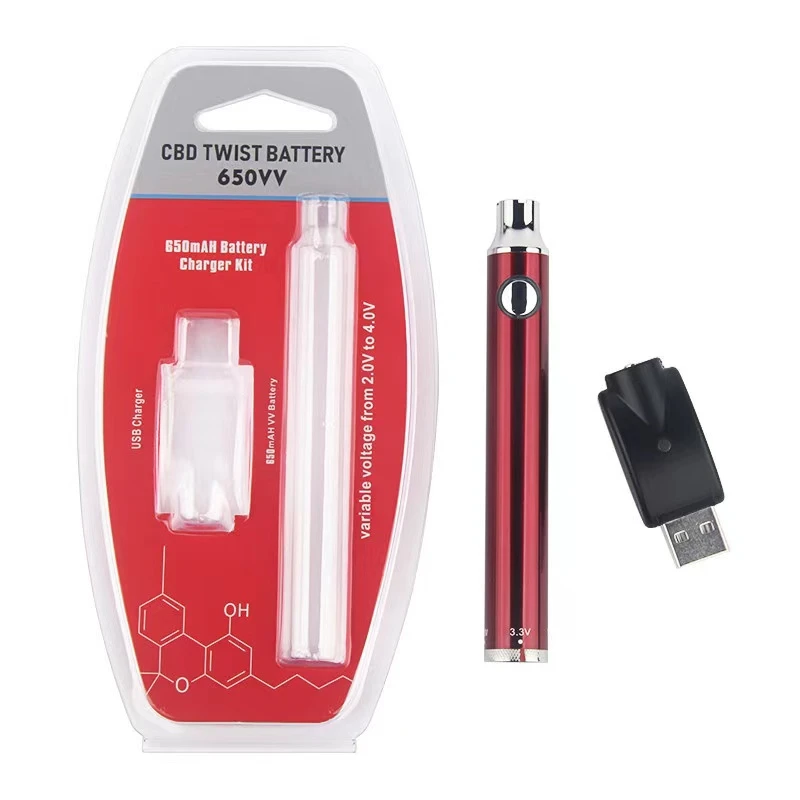
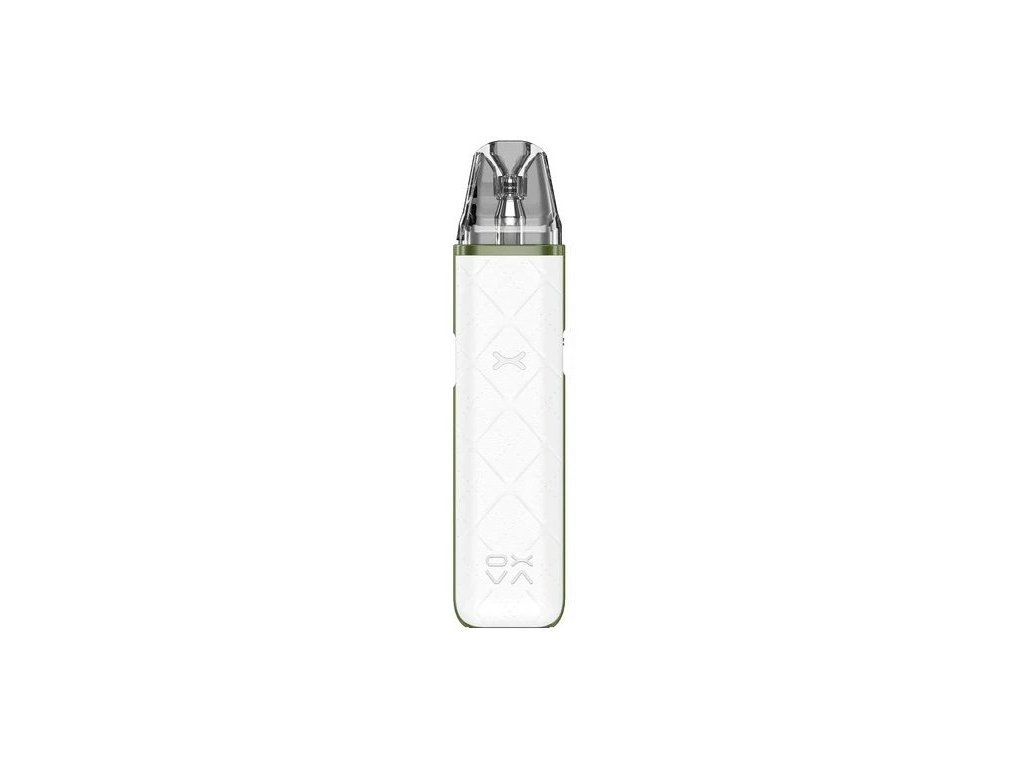
A mushroom vape—often called a _shroom pen_ or _mushroom vape pen_—is a disposable or rechargeable vape device marketed as containing psychoactive or nootropic mushroom extracts. These products are commonly sold as “legal mushroom” alternatives and promise fast-acting effects such as mental clarity, mood elevation, or mild psychedelic sensations.
In practice, mushroom vapes rarely contain whole mushroom extracts of psilocybin-producing species like _Psilocybe_ spp. Instead, they typically deliver a liquid formulation that may include compounds such as muscimol (from _Amanita_ species), non-psychedelic functional mushrooms, vitamins, amino acid derivatives, or synthetic tryptamines.
Unlike traditional mushroom consumption, vape pens bypass digestion and deliver compounds via inhalation, which dramatically changes onset, intensity, and risk profile. Because these products are sold under vague or proprietary labels, the actual ingredients can vary widely between brands—and even between batches of the same product.
**Can You Really Vape Psilocybin or Mushrooms?**
Let’s cut through the smoke. Scientifically, psilocybin isn’t a good fit for vaping. It degrades at high temperatures (above 180 °C) and doesn’t convert into its active form, psilocin, through heat—instead, that happens in your digestive system [1].
Even psilocin itself is unstable when exposed to heat and oxygen. So if a mushroom vape claims to contain vapable psilocybin, it’s likely inaccurate—or simply not effective. Some vapes may contain synthetic alternatives like psilacetin (4-AcO-DMT), but that’s not always made clear on the label.
Mushroom vapes didn’t emerge from psychedelic research — they emerged from **consumer demand and legal loopholes**.
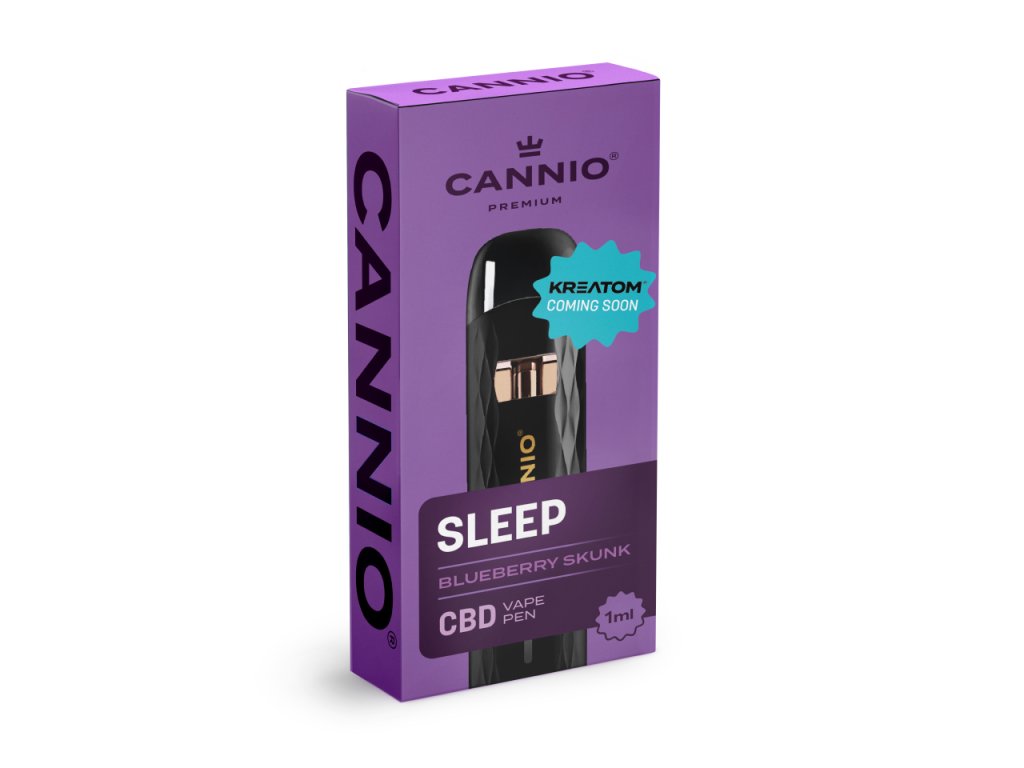
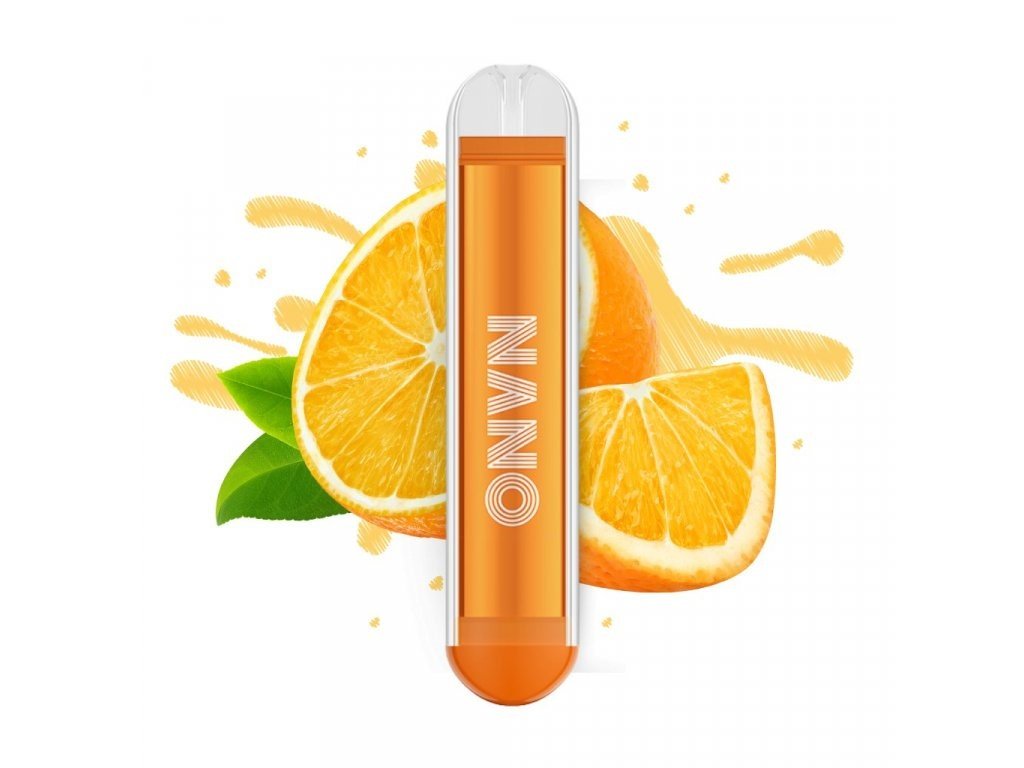
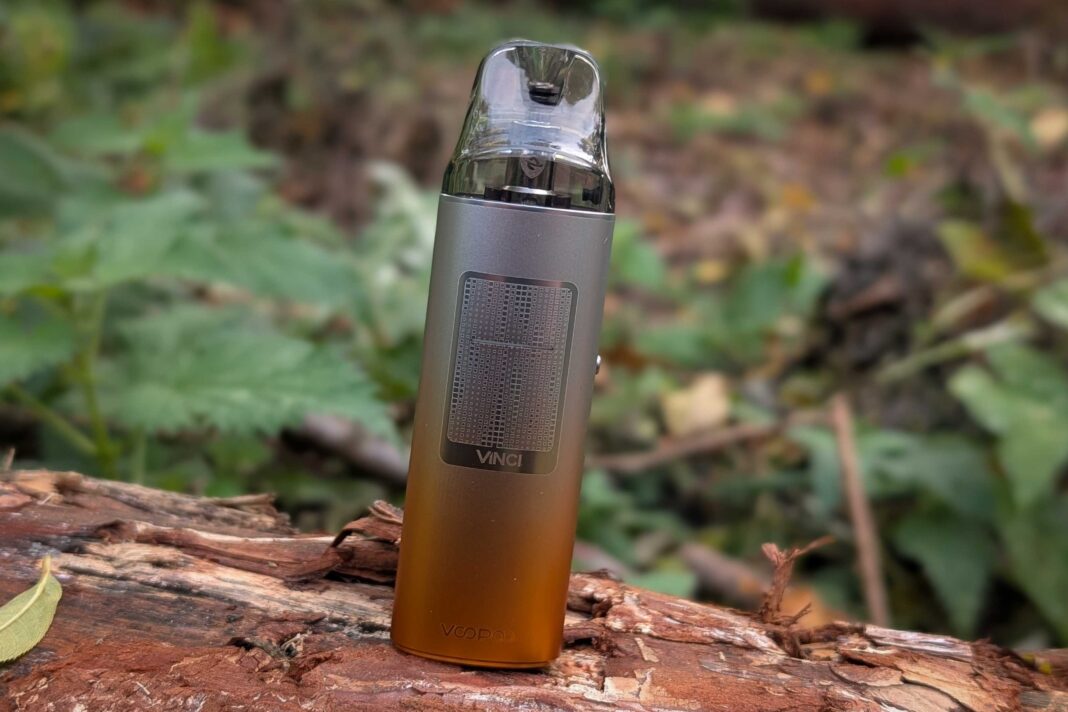
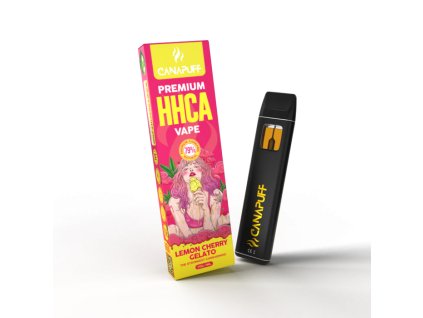
In recent years, brands such as **TRĒ House**, **Mochi Shrooms**, **Exodus**, and similar smoke-shop or online products have popularized so-called _mushroom vape pens_ or _shroom pens_. These products are marketed with familiar cues from THC vapes: disposable pens, fruity flavors, fast onset, and terms like _“microdose”_ or _“psychedelic alternative.”_
This branding creates a clear expectation: **many users assume mushroom vapes contain psilocybin**.
In reality, **most commercial mushroom vapes do not contain psilocybin at all**. Instead, they rely on **legal substitutes** such as muscimol (from _Amanita_ species), functional mushroom extracts, supplements, or undisclosed synthetic compounds. Labels often use vague terms like _“proprietary mushroom blend”_ without specifying active ingredients or concentrations.
This disconnect between **expectation and reality** explains why mushroom vapes are widely sold — and widely misunderstood. They occupy a grey zone between wellness products, psychoactive substitutes, and marketing hype, while borrowing credibility from the cultural rise of psychedelics without delivering a true psychedelic compound.
Understanding this market context is essential before evaluating ingredients, lab results, safety, or legality.
Even if you grow _Psilocybe cubensis_ under identical conditions, **the actual psilocybin content can vary dramatically** — not just between strains, but from mushroom to mushroom, and even between flushes of the same grow bag. Factors like genetics, substrate nutrition, and harvest timing all influence potency.
This makes **accurate dosing** difficult, especially if you're aiming for safe microdosing or standardized therapeutic use.
**What’s Actually Inside a Mushroom Vape?**
Mushroom vape pens often promise mental clarity, creativity, or a psychedelic buzz. But most come with vague ingredient lists—and few offer real transparency. Here’s what’s commonly found:
Many mushroom vapes on the market blur legality and safety. Labels don’t always match what's inside. That’s why lab testing, like we did, is key to understanding what you’re inhaling.
**Lab-Proven: Muscimol Found in a Mushroom Vape**
To separate hype from reality, we tested a mushroom vape pen advertised as muscimol-based using **HPLC-MS**—a gold-standard technique in chemical analysis.
Here’s what we found:
**Muscimol confirmed** ❌ **No psilocybin or psilocin detected**
This proves that some mushroom vapes do deliver on their claims—but they’re the exception. Most products we analyzed didn’t live up to their labels.
The muscimol vape pen (Sample G) showed the highest positive mode TIC signal, confirming a strong presence of active compounds matching muscimol standards. Notably, no psilocybin or psilocin peaks were observed across any samples, including the vape pen and gummy bear.
These results underscore the importance of analytical testing in verifying product content—especially in a market full of ambiguous or misleading claims.
— Dr. Felix Blei, CEO of miraculix Lab“Honestly, I was surprised to detect actual muscimol in one of the mushroom vape pens we tested. Given how unregulated and vague these products usually are, it's pretty sketchy to trust them without independent lab verification.”
Whether a **mushroom vape** is legal depends entirely on what’s inside the pen—not the branding. Here’s a quick breakdown of ingredients and their legal status:
Because of this patchwork legality, mushroom vapes are typically sold under vague, euphemistic labels—using terms like “magic blend” or “mushroom complex.” If you’re buying online, check your local laws and always assume the label might not tell the whole story.
Safety is one of the biggest unknowns when it comes to **mushroom vape pens**. Most are sold without proper testing or labeling, leaving consumers in the dark about what they’re inhaling.
⚠️ **Potential risks include:**
**Mushroom vapes** sound like a futuristic way to explore psychedelics—but the truth is more complex. Most of these pens don’t contain psilocybin, and many rely on sketchy branding or vague ingredients. Still, our lab test confirmed at least one vape pen had real muscimol, showing that legit options do exist.
If you’re thinking about trying a mushroom vape, know this:
For safe, reliable experiences, trust verified products—or test your own mushrooms using the [**Psilocybin QTest**](https://www.miraculix-lab.de/en/QTest-kit/psilocybin-qtest) to know exactly what you're working with.
If you found this guide to **mushroom vape pens** helpful or eye-opening, you’ll love these next reads. Dive into lab-backed articles about psilocybin testing, safe use, and mushroom identification—based on real science, not just hype.
Curious about how strong your magic mushrooms really are? The Psilocybin QTest gives you lab-grade results in minutes—easy to use, science-backed, and trusted across Europe.
From MDMA and LSD to THC and psilocybin—QTest Kits help you check identity and potency with precision. Explore how our lab-developed kits make drug testing safer and smarter.
Together with our partners from IO RODEO. We’ve designed an **open-source photometer** that brings lab-level accuracy to your hands. It reads our QTest kits, making your results precise, consistent, and easy to document—perfect for science-minded users and harm reduction organizations.
From cultivation to chemistry, dive into expert-level content about psychedelic mushrooms. The Mushroom Hub blog offers growing tips, science news, and deep dives into active compounds.
Still have questions about **mushroom vapes**? This FAQ breaks down the most common concerns—from ingredients to safety, legality, and how to test what’s really inside.
A **mushroom vape** is a disposable vape pen infused with mushroom extracts or synthetic analogs. Unlike cannabis or nicotine vapes, these are designed to produce psychoactive, nootropic, or mood-enhancing effects. Ingredients vary widely, from muscimol (Amanita muscaria) to synthetic compounds like psilacetin.
In most cases, **no**. Psilocybin degrades under heat and is not suitable for vaporization. Lab tests often show that mushroom vapes contain **muscimol**, nootropics, or synthetic substances instead. Claims about psilocybin vapes are generally misleading.
Most mushroom vapes produce **inconsistent effects** that depend entirely on their ingredients—not on mushrooms in the psychedelic sense.
Users commonly report **light euphoria, relaxation, sedation, mental fog, or slight perceptual changes**, but **not a classical psychedelic experience**.
When effects occur, they are usually **short-lived and shallow**, often described as closer to a sedative or stimulant “head buzz” than to psilocybin-induced changes in perception or cognition. Because formulations, concentrations, and devices vary widely, **experiences differ strongly between products and individuals**.
Importantly, these effects are **not caused by psilocybin**, but typically by **muscimol, supplements, or undisclosed psychoactive additives**.
The [**Psilocybin QTest**](https://www.miraculix-lab.de/en/QTest-kit/psilocybin-qtest)allows you to test the potency of psilocybin-containing mushrooms at home. It’s a lab-grade colorimetric test developed by scientists to offer fast, reliable results—perfect for personal use, harm reduction, or community research.
The legality of mushroom vapes depends on the **specific ingredients**. Muscimol is legal in many countries, while psilocybin is strictly regulated. Some mushroom vape blends include legal herbs and supplements, but others may contain gray-area synthetics.
The strength of a **mushroom vape pen** depends on its formulation. Some produce only mild effects (like clarity or relaxation), while others may have stronger, dissociative or euphoric properties. Always check for **lab-tested products** and start with a low dose.
**Safety depends entirely** on the ingredients and manufacturing quality. Since many products are unregulated, there’s a risk of mislabeled contents, contaminants, or synthetic drugs. Look for third-party lab tests before using any mushroom vape.
Yes—**muscimol**, the active compound in Amanita muscaria, is stable enough to be vaporized at low temperatures. Our HPLC-MS analysis confirmed muscimol in a tested vape pen, making it one of the few verified active ingredients in mushroom vapes.
[1] Gotvaldová, Klára, et al. "Stability of psilocybin and its four analogs in the biomass of the psychotropic mushroom Psilocybe cubensis." _Drug testing and analysis_ 13.2 (2021): 439-446.
**Dr. Felix Blei is the CEO and Founder of miraculix Lab, and a Postdoctoral Researcher at the Friedrich Schiller University Jena.** With a PhD (Dr. rer. nat.) in Microbiology and a strong background in natural product biosynthesis, he is internationally recognized for his pioneering work on psychoactive fungi—particularly the biosynthesis of psilocybin and related compounds [(Blei, F., 2020)](https://doi.org/10.22032/dbt.46039).
During his doctoral research at the Institute of Pharmaceutical Microbiology under Prof. Dirk Hoffmeister, Dr. Blei was the first to elucidate the full biosynthetic pathway of psilocybin in _Psilocybe_ mushrooms [(Fricke, Blei et al., 2017) Angewandte Chemie](https://doi.org/10.1002/anie.201705489). He further developed an in vitro system capable of producing psilocybin, serotonin, and novel non-natural analogues [(Blei et al., 2018) Chemistry- A European Journal](https://doi.org/10.1002/chem.201801047) . His discovery of naturally occurring β-carbolines in _Psilocybe_—compounds that may synergistically enhance psilocybin's neurotropic effects—led to the concept of “psilohuasca,” a naturally occurring combination of MAO inhibitors and psychedelics in fungi [(Blei, Dörner et al. 2020) Chemistry–A European Journal](https://doi.org/10.1002/chem.201904363).
Building on his academic expertise, Dr. Blei developed the first reliable rapid tests for psilocybin, which laid the foundation for the spin-off company miraculix. Today, miraculix provides quantitative drug checking tools that are used throughout Germany and Europe. He also leads the [German ALIVE project—an evidence-based drug checking](https://www.miraculix-lab.de/en/drug-checking)Initiative funded by state governments, offering mobile substance analysis and harm reduction at music festivals and public events.
With over 500 citations, numerous publications in high-impact journals, and a passion for accessible science, Dr. Blei bridges cutting-edge research with real-world application. His work contributes to safer substance use, public health strategies, and a deeper understanding of natural psychoactive compounds.
Bookmark
Daniel Féau processes personal data in order to optimise communication with our sales leads, our future clients and our established clients.
This site is protected by reCAPTCHA and the Google Privacy Policy and Terms of Service apply.