








EUR
en
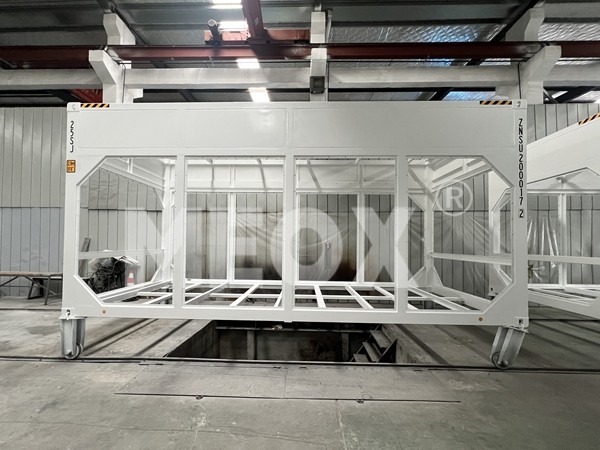
Shipping containers are designed to be filled with goods or materials, stacked on ships, transported, removed and reused again and again. Shipping containers hold all their weight on the floor of the container and the four corner posts. Those corner posts are what cranes connect to when moving full containers around. These corner posts are slightly higher than the roof and slightly lower than the floor of the container.
What this means for you—When you stack containers, make sure that you always have corner posts resting on corner posts. If you can’t do this, make sure those corner posts have extra support. Also, do not remove these corner posts unless you have designed to support the container in another way.
Container walls and roofs are made of corrugated cor-ten steel. The walls of a shipping container support the roof, and without them, the stability of the construction would be compromised. The corrugation gives the steel strength, but the whole design is created around shipping the containers, not for modifying or doing other things with containers.
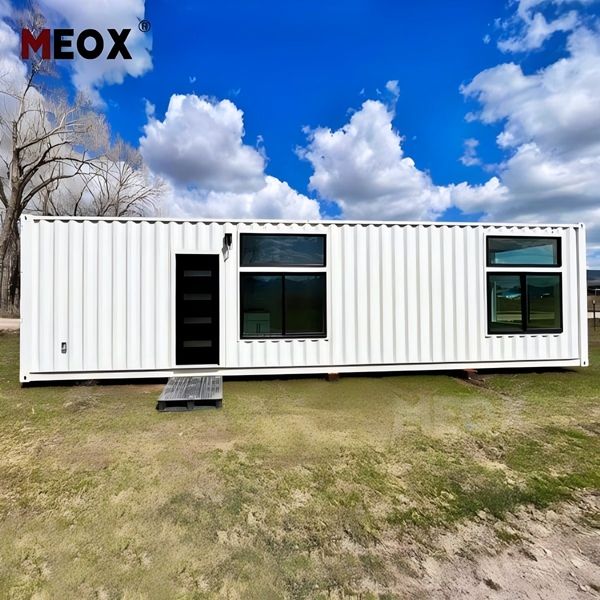
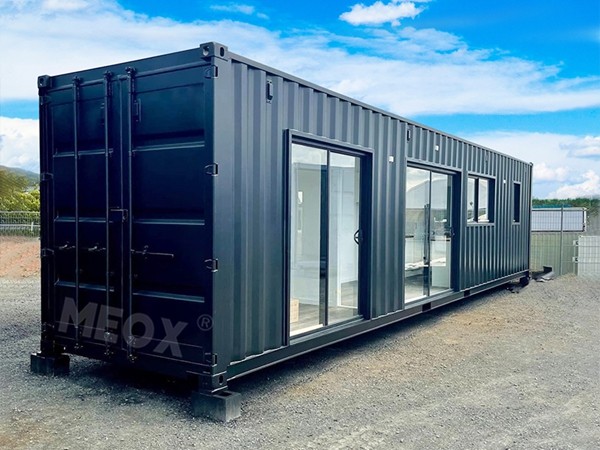
What this means for you: You can cut holes for doors and windows in the sides of containers. However, be careful not to remove an entire side of your container without providing support for the roof and stabilize the container.
Additionally, the roof is not strong enough to bear heavy loads. So, if you are planning on making a balcony on top of it, you'll need to build a platform that distributes the weight back to the four corner posts.
If you plan on burying the container, the steel is not strong enough to handle the pressure of earth coming at it from the sides or top of the container, so you will need to brace the entire container. The steel cannot handle moisture of that process, so you will need to provide drainage and create a coating for the container to protect from rust. In short, they are not suited for burying.
Standard shipping containers are not insulated. Refrigerator containers are completely different construction from regular containers and have loose insulation between two walls. Refrigerated containers are the only containers the come with insulation.
What this means for you: If you are looking to purchase a container that is insulated, the first big question to ask yourself is if you are going to modify the container further. If not, the refrigerated container is a great option.
If you plan to make further modifications, then the standard containers will be much easier to work with. If you were to cut into an insulated container, the loose insulation will all come out, which means you no longer have an insulated container and a headache on your hands. Instead, go with a standard container, make your modifications to suit your needs and then frame the container like you would a traditional home. You will lose the same amount of container width as you would with a refrigerated container but will avoid the mess and headache.
Standard shipping container doors are attached to the container's corner posts. The doors swing outwards on heavy-duty hinges that provide a wide opening to easily load and unload items.
What this means for you: Shipping container doors are designed for durability and ease of use, and are suitable for many shipping and storage needs. Of course, many modifications are available for different types of doors. So, if you want to add extra doors or install a roll-up or a barn door, Super Cubes has modification kits available for all of these options and more.
Bookmark
Daniel Féau processes personal data in order to optimise communication with our sales leads, our future clients and our established clients.



This site is protected by reCAPTCHA and the Google Privacy Policy and Terms of Service apply.