




EUR
en
Lakes and lagoons are critical in ecosystems, urban planning, and industrial applications. However, they face an ongoing challenge—sediment accumulation. Over time, sludge, silt, and debris gather at the bottom, leading to quality deterioration, reduced depth, and ecological imbalance.
To tackle these issues efficiently, municipalities, environmental agencies, and private companies are turning to advanced lake dredging equipment. Among the most effective solutions are submersible slurry pumps, designed for precision sediment removal, minimal disruption, and optimal operational efficiency.
This article explores the transformative advantages of submersible slurry pumps in lake and lagoon maintenance and how they outperform traditional dredging technologies.
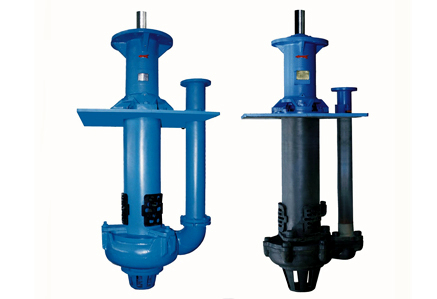
Submersible slurry pumps are heavy-duty pumps designed to operate while fully submerged in water. Unlike traditional suction or centrifugal pumps, they are engineered to handle mixtures of liquid and solids—commonly referred to as “slurry.” These pumps are widely used in dredging applications due to their ability to remove high-density sludge and sediment directly from underwater sources.
The pump is submerged directly into the lake or lagoon.
It agitates and sucks up a mixture of water, silt, sludge, and solids.
The slurry is then discharged through a pipeline to a designated dewatering or disposal site.
Submersible slurry pumps eliminate the need for extensive excavation or floating platforms, making them highly efficient and cost-effective for sediment removal projects.
Feature Submersible Slurry Pump Traditional Dredging Equipment Mobility High Moderate Eco-Friendliness High Low Operating Depth Adjustable Fixed Suitability for Confined Spaces Excellent Limited Installation Time Short Long
Submersible slurry pumps are ideal for a wide range of lake and lagoon dredging scenarios, including:
Shallow lagoon dredging: Perfect for tight spaces and fragile environments.
Municipal lake restoration: Removes years of accumulated sludge without disrupting aquatic life.
Industrial pond maintenance: Suitable for removing heavy sediments and industrial waste.
These pumps also serve well in emergency sediment removal operations where a portable dredging pump is needed quickly and safely.
Submersible slurry pumps are highly compact, making them ideal dredging pumps for confined spaces. Their portable design allows them to be deployed in remote or limited-access areas where conventional dredging equipment cannot reach.
Because they operate directly within the medium being dredged, these pumps reduce the amount of energy required to transport slurry over long distances. This lowers operational costs and minimizes wear on the system.
They also come equipped with features like:
Thermal overload protection
Non-clog impellers
Abrasion-resistant components
These attributes enhance safety and prolong the pump’s operational life.
Submersible slurry pumps significantly reduce the need for:
Crane operators
Barges or pontoons
Extended dredging cycles
This makes them a more economical choice, especially for medium to small-scale dredging projects.
In today’s environmentally conscious climate, choosing an eco-friendly dredging pump is no longer optional—it’s a necessity. Submersible slurry pumps offer a much more sustainable dredging solution. Their minimal surface disruption and lower energy usage help maintain the ecological balance of water bodies.
Some key eco-friendly benefits include:
Reduced turbidity during operation
Minimal impact on aquatic life
Compliance with EPA and local environmental standards
In sensitive environments like wetlands or conservation lagoons, these pumps are often the only feasible option for sediment management.
Selecting the right submersible pump for lagoon cleaning or lake dredging involves careful consideration of several variables:
Flow rate: Measured in gallons per minute (GPM), this indicates how quickly the pump can remove slurry.
Head height: The vertical distance the slurry needs to be pumped.
Solids handling capacity: Determines the size of particles the pump can process.
Material construction: Corrosion and abrasion resistance are vital for long-term durability.
Power source: Electric vs. diesel based on field conditions and availability.
Application Recommended Pump Type Key Features Small Lagoon Portable submersible pump Lightweight, energy-efficient Urban Lakes High-flow slurry pump Medium head height, debris-tolerant Industrial Sediment Basins Heavy-duty dredge pump High solids capacity, durable impeller
Let’s compare submersible dredge pumps with other commonly used lake and lagoon dredging systems.
Feature Submersible Slurry PumpMechanical Dredgers Cutterhead Dredgers Installation Time Short Long Moderate Eco-Friendliness High Low Medium Portability High Low Low Initial Cost Medium High High Maintenance Low High Moderate Adaptability Excellent Limited Moderate
As shown, submersible slurry pumps consistently outperform their counterparts in portability, adaptability, and ecological impact, making them the top choice for modern lagoon dredging solutions.
The maintenance of lakes and lagoons is no longer a task suited for outdated and intrusive dredging methods. With technological advancements, submersible slurry pumps offer a streamlined, cost-effective, and environmentally sound solution for sediment and sludge removal.
Whether you’re looking for a slurry pump for sediment removal, a sludge removal pump, or an underwater slurry pump for large-scale applications, these pumps provide unmatched reliability and versatility.
By investing in the right lake dredging equipment, you not only improve water quality and aesthetics but also contribute to the long-term sustainability of aquatic ecosystems. For confined, ecologically sensitive, or heavily silted areas, submersible slurry pumps are the smart choice for maximizing dredging success.
Bookmark
Daniel Féau processes personal data in order to optimise communication with our sales leads, our future clients and our established clients.


This site is protected by reCAPTCHA and the Google Privacy Policy and Terms of Service apply.