




EUR
en
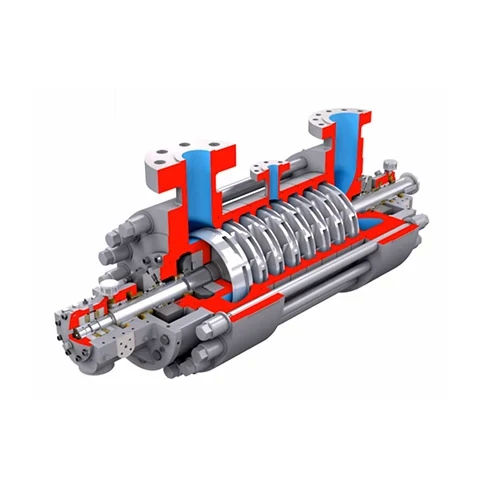
Wet parts are the internal components of a slurry pump that are in direct contact with the slurry itself. These parts are continually exposed to corrosion, erosion and impact from solids, making them the primary wear points within the pump.
Common wet parts include:
Together, these components work to create hydraulic force, direct the flow of the slurry and protect the structural housing of the pump from premature damage.
Each wet part has a specific function, but operates in coordination with the others. For example, the impeller imparts kinetic energy to the slurry, which is then directed by the casing and volute liner to the discharge outlet. Meanwhile, the liners and the throatbush absorb most of the wear caused by the abrasive slurry, acting as sacrificial parts that protect more expensive or critical components from damage.
Proper alignment, selecting suitable materials and adhering to a maintenance schedule for these components is essential for consistent pump performance and avoiding costly downtime.
Wet parts are critical for transferring slurry, but they are also key to protecting the pump from the media it is designed to handle. Below is a breakdown of the major wet parts and how they contribute to the overall performance of the pump system.
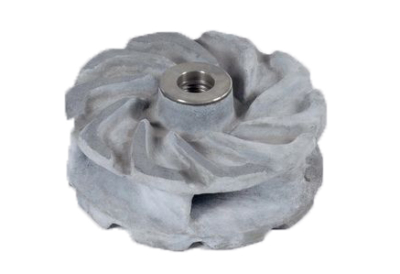
The impeller is arguably the most important wet part in a slurry pump. It is the rotating component responsible for imparting energy to the slurry, enabling it to move through the system. Impellers come in various configurations – closed, semi-open and open – depending on the application and characteristics of the slurry needing to be pumped.
Material selection is crucial for impeller performance. For highly abrasive applications, hard-metal impellers such as high-chrome alloys are preferred. For corrosive or fine slurries, rubber-lined impellers may provide superior resistance to wear.
Impeller design directly influences flow rate, hydraulic efficiency and wear life, making it a key consideration when selecting or maintaining a slurry pump.
The pump casing houses the impeller and provides structural containment for the slurry. It also includes the volute, a curved funnel that collects the slurry discharged from the impeller and directs it towards the outlet.
The design of the volute affects the distribution of pressure and control of flow, playing a vital role in the overall efficiency of the pump system. A well-designed casing will reduce turbulence and wear, ensuring smoother slurry transport.
Casings must also withstand high operating pressures and resist internal erosion. Like other wet parts, casings are typically made from wear-resistant metals or are lined with rubber, depending on the application.
Liners serve as wear shields, lining the inner surfaces of the pump casing and other internal components. Common liner types include:
The primary purpose of these liners is to absorb abrasion from the slurry and protect the underlying structure. In highly abrasive applications, metal liners made from hardened alloys are common. In other cases, rubber liners offer increased resilience and reduced noise.
Selecting the correct material for your liner is crucial. The wrong choice can lead to rapid wear, loss of system efficiency.
The performance and is directly tied to the quality of its wet parts. Selecting incompatible or poor-quality components can lead to a range of issues, including:
While low cost parts can seem more appearing initially, they generally result in a higher total cost of ownership due to reduced service life and the need for frequent replacement.
High quality, wear-resistant pump parts provide increased reliability, improved hydraulic performance and a longer operational lifespan. They also help to reduce waste and support a more sustainable operation, particularly in resource-intensive sectors like mining and mineral processing.
Selecting the right wet parts involves more than just matching component shapes. It requires a deep understanding of your operating conditions and slurry characteristics.
Key considerations include:
Selecting incorrect parts for your slurry pump system can lead to rapid failures. For example, using rubber liners in a high-impact coarse particle slurry can result in tearing, while hard metal impellers in a corrosive slurry may pit and erode prematurely.
That’s why we offer a comprehensive range of wet parts designed specifically to perform in even the harshest industrial environments.
Through our parent company Hebei TIIEC Machinery Co., Ltd, we have access to advanced manufacturing capabilities, allowing us to supply and components, including impellers, liners, casings and other wear parts.
The advantages of working with Atlas Australia include:
Whether you need a like-for-like replacement, advice on upgrading to more wear-resistant materials, or custom wet-end assemblies, our team is ready to assist you.
Wet parts are at the heart of every slurry pump system. Their quality, design and correct application have a direct influence on pump efficiency, wear life and maintenance expenses over time. Selecting the right components (and maintaining them properly) is not only a matter of performance, but also safety, reliability and sustainability.
Bookmark
Daniel Féau processes personal data in order to optimise communication with our sales leads, our future clients and our established clients.


This site is protected by reCAPTCHA and the Google Privacy Policy and Terms of Service apply.