







EUR
en
The KWP sewage pump’s diverse impeller configurations and wide flow channel design ensure smooth pumping of large solid particles without clogging.
Kingda sewage pumps are widely used in sewage treatment projects, breweries, power generation, petrochemicals, mining, papermaking, and construction industries.
Sewage pumps are specifically used in municipal water supply, sewage and wastewater treatment, the chemical industry, steel, mining, papermaking, sugar industry, and the food industry. They can transport not only clean water, sewage, seawater, and brine, but also industrial wastewater and sludge.
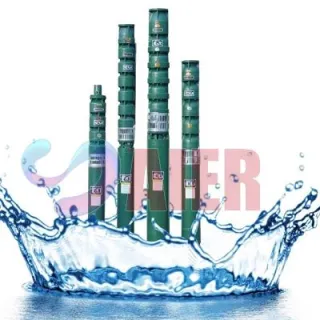
Sewage pumps are available in horizontal, vertical, and submersible types. They typically utilize large-channel impellers to ensure smooth, non-clogging transportation of liquids containing solid particles.
They typically have a centrifugal design. During operation, the high-speed rotation of the impeller draws wastewater into the pump. The centrifugal force generated by the impeller then propels the wastewater around the pump body. After pressurization, the wastewater is discharged from the pump outlet.
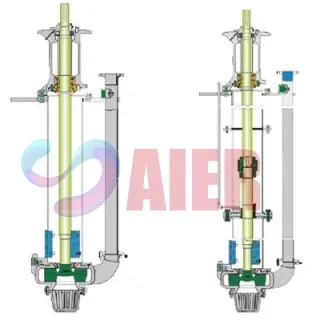
The Kingda KWP sewage pump is highly efficient and non-clogging. Its pull-out design allows the impeller to be removed from the pump body without disassembling the pump body or piping.
This not only simplifies maintenance but also allows for quick replacement of the impeller and suction-side wear plate, minimizing maintenance time and losses for users.
Notably, the high-wear components of this series of sewage pumps are manufactured from high-chromium alloy. Its superior abrasion resistance significantly extends the pump’s service life. Whether it’s hard, sharp gravel or long-fibered debris in wastewater, the KWP sewage pump can easily handle it.
The impeller design of traditional pumps is not suitable for conveying liquids containing solid particles and fibers, making them prone to clogging.
Ordinary cast iron easily wears the metal surface when exposed to abrasive materials (such as gravel and sand).
The complex pump structure and installation procedures of traditional pumps can significantly reduce maintenance timelines, leading to prolonged downtime.
Pump leakage is a common occurrence during operation. Frequent leakage can affect production schedules, and leaked liquids can also corrode other equipment.
Traditional pumps lack a controllable variable frequency system, resulting in a fixed pump speed. When faced with unstable flow rates, this not only causes wear but also consumes a high amount of energy.
Our engineers have optimized the impeller and flow path to effectively prevent the frequent clogging of traditional sewage pumps by large solids, plastic bags, and fibers.
We have accumulated extensive experience through countless projects, and our newly developed high-chromium alloy material offers impeccable corrosion resistance, significantly extending the pump's service life.
The KWP sewage pump's unique pull-out design allows for quick removal of the impeller and other wear components without disassembling the piping, saving significant labor and time.
To address seal leakage, Kingda has developed the KFSD sealing system, equipped with a filter, which effectively extends the seal's service life and eliminates the problem of leaks.
Kingda sewage pumps utilize advanced variable frequency control, allowing the motor to adjust speed based on flow and pressure, ensuring optimal pump efficiency at all times.
A wide range of impeller options is the secret to our sewage pumps never clogging. Discover how we guarantee this.
Closed Non-Clogging Impeller: Suitable for clear water, sewage, and fluids containing solids and sludge that do not release gases.
Closed Multi-Blade Impeller: Suitable for clear water and fluids with low levels of suspended matter, such as treated sewage, pulp water, and sugar juice.
Open Impeller: Same application range as the Closed Multi-Blade Impeller, but also suitable for fluids containing air.
Free-Flow Impeller: Suitable for fluids containing coarse particles that tend to clump or fold (such as long-fiber mixtures, sticky particles, etc.) and containing air.
Sewage pumps are used in urban underground drainage and collection pits, efficiently pumping domestic wastewater or rainwater, effectively preventing flooding.
When treating industrial wastewater, sewage pumps can smoothly transport wastewater containing impurities and garbage, and can operate for long periods without clogging.
In mining and construction, sewage pumps can efficiently and quickly drain liquids from collection pits and cesspools, ensuring smooth construction progress.
From agricultural irrigation and fish ponds to animal manure treatment in animal husbandry, sewage pumps can easily handle clean water, sludge, and manure slurries.
As China’s premier slurry pump manufacturer, we boast a comprehensive sewage pump production chain and spare parts inventory, ensuring stringent quality control and a comprehensive spare parts inventory.
Kingda’s team of professional maintenance engineers is available in every country worldwide. If your sewage pump requires maintenance, please contact us and our engineers will promptly provide the best possible solution.
When the sewage pump system is operating, the sewage pumps use their powerful suction to move wastewater from septic tanks and cesspools through pipelines to the collection pit. The wastewater then passes through screens and other equipment, trapping long fibers and garbage bags. The wastewater is then transported to the sewage treatment plant through pipelines.
As the name suggests, a sewage pump is placed inside a sump, pumping wastewater from the tank to an external location for treatment.
Sewage pumps typically feature waterproof motors and solids handling capabilities, allowing them to operate submersible and handle solid particles in wastewater without clogging.
Compared to household sewage pumps, commercial sewage pumps offer more robust performance and are more capable of handling solids.
Commercial sewage pumps are suitable for use in municipal wastewater discharge, shopping mall wastewater discharge, sewage treatment plants, paper mills, and other locations. They are particularly suited to handling viscous wastewater containing solid particles.
Small sewage pumps are suitable for applications where flow requirements are low, such as household sewage tanks, agricultural irrigation, and small septic tanks.
Small sewage pumps are compact and consume low power, making them easy to install even in cramped locations.
Bookmark
Daniel Féau processes personal data in order to optimise communication with our sales leads, our future clients and our established clients.


This site is protected by reCAPTCHA and the Google Privacy Policy and Terms of Service apply.