



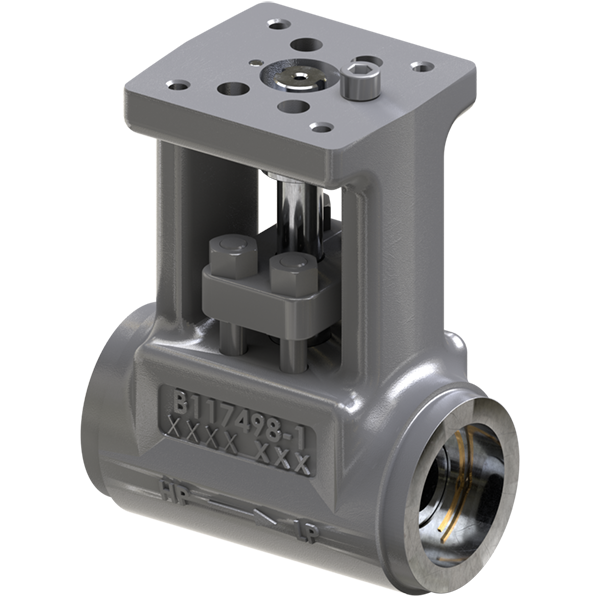


In industries such as mining, power generation, metallurgy, coal processing, and environmental protection, the efficient and reliable transportation of slurries – mixtures of liquid and abrasive solid particles – is often crucial. Slurry pumps play a vital role in this process. Making the right slurry pump selection can enhance operational efficiency, reduce maintenance costs, and extend equipment lifespan. This article delves into the key considerations for selecting the optimal slurry pump, incorporating insights from industry expertise and technical analysis.
Understanding Slurry Characteristics
The physical properties of the slurry to be pumped are fundamental to the selection process. These properties directly influence the pump’s performance and wear patterns.
Particle Size Distribution
The size of solid particles in the slurry varies and is typically represented by a range of dimensions rather than a uniform size. Key parameters include:
- Average Particle Size: The average particle size can be calculated using the formula:where is the weight percentage of particles in each size fraction, and is the representative size of each fraction. This provides a general indication of particle dimensions.
- Median Particle Size: Representing the particle size where 50% of the material is finer and 50% is coarser, it offers another perspective on particle size distribution.

Other Critical Properties
In addition to particle size, the shape, specific gravity, settling velocity, concentration, viscosity, and density of the solids in the slurry must be considered. For instance, angular particles may cause more abrasion than rounded ones, and higher solid concentrations can increase the slurry’s viscosity and density, impacting pump performance and energy requirements.
Critical Flow Velocity Considerations
Maintaining an appropriate flow velocity within the slurry pump and piping system is essential to prevent solids settlement, blockages, and excessive wear.
Critical Settling Velocity
When the slurry’s average velocity decreases, the distribution of solid particles becomes uneven. At a certain velocity, particles begin to form a stationary bed along the pipe bottom, leading to increased friction losses and potential blockages. The velocity at which this occurs is known as the critical settling velocity. The Talbot formula is commonly used for its calculation:

where is a constant determined by particle size and slurry concentration, is the acceleration due to gravity, is the pipe diameter, and is the specific gravity of the solids.
When the pipe diameter exceeds 200 mm, the Kelsall formula is often employed for calculating the critical settling velocity:

In this formula:
- represents the critical settling velocity, which is the minimum velocity required to keep particles in suspension and prevent settling.
- is the pipe diameter; as the diameter increases, the flow regime changes, and the critical velocity adjusts accordingly to maintain proper suspension of particles.
- denotes the specific gravity of the solids relative to the fluid. A higher specific gravity means particles are denser and more prone to settling, thus requiring a higher velocity to keep them suspended.
- is the median particle size. Smaller particles (lower ) are more easily kept in suspension, so the critical velocity is influenced by the square of the particle size.
- is the volumetric concentration of solids in the slurry. As the concentration increases, the interactions between particles become more significant, affecting the flow dynamics and the velocity needed to prevent settling.
Practical Flow Velocity
In practice, the actual flow velocity of the slurry pumps should be slightly higher than the critical settling velocity, typically in the range of (1.20 – 1.30) times , to ensure smooth slurry transportation and minimize the risk of blockages.
Slurry Pump Performance When Conveying Slurry
The performance of a slurry pump differs from that of a clean water pump due to the presence of abrasive solids in the slurry. Understanding these performance characteristics is crucial for selecting the right pump.
Head and Efficiency Ratios
The head ratio () and efficiency ratio () of slurry pumps are important parameters. The head ratio is defined as the ratio of the pump’s head when conveying slurry to its head when pumping clean water under the same flow rate and rotational speed. Similarly, the efficiency ratio is the ratio of the pump’s efficiency when handling slurry to its efficiency with clean water. Generally, for typical slurries, the head ratio and efficiency ratio can be considered equal. The head ratio can be calculated using the formula:

where is the weight percentage concentration of solids.
 |  |  |
Slurry Shaft Power
The shaft power () required to pump slurry can be calculated as:

where is the slurry flow rate, is the head, is the slurry specific gravity, is the specific weight of the slurry, and is the pump efficiency. Considering that motor power should have a margin, it is common practice to take , where is the theoretical motor power, and then determine the transmission method, installation form, and shaft sealing type based on the pump’s rotational speed and power, while also calculating parameters such as the pump’s outlet pressure.
Extending Slurry Pump Service Life Through Selection
The service life of a slurry pump is a key concern in its selection, as it directly impacts operational costs and downtime.
Design Flow Rate
The design flow rate of the slurry pump should be as small as possible, provided it does not fall into the pump’s low – efficiency zone. A smaller flow rate results in a lower velocity of the slurry within the pump, reducing the wear on wear – prone components and extending the pump’s lifespan. However, it is important to avoid excessively small flow rates that would compromise pump efficiency. Ideally, the pump’s flow rate should be selected close to the high – efficiency zone but not at the peak efficiency point, as the latter may lead to higher flow rates and increased wear.
When the pump’s characteristic curve is relatively flat, indicating similar efficiencies across different flow rates, it is advisable to choose a smaller flow rate, provided it meets the minimum critical settling velocity requirements.
Rotational Speed of the slurry pumps
Lower rotational speeds are generally preferable. A lower speed reduces the relative velocity between the impeller and the slurry, thereby slowing down the wear on the impeller. Additionally, for slurry pumps with larger impeller diameters (which typically operate at lower speeds), the impeller’s larger surface area reduces the number of particles passing through per unit area, further decreasing wear and extending the pump’s service life. However, slurry pumps with lower speeds and larger impeller diameters tend to be larger in size and more expensive. Therefore, a technical and economic trade – off is necessary. The correct selection should ensure that the cost savings from the extended lifespan of a low – speed, large pump outweigh the costs associated with the rapid wear of a high – speed, small pump. Contrary to some slurry pump selection manuals that suggest choosing a speed around three – quarters of the maximum speed, the actual selection should aim for the lowest possible speed without increasing the motor power, as higher motor power would lead to increased costs and energy consumption. Moreover, accurate calculation of the pump’s head is crucial. An excessive head can result in overly high flow rates, causing cavitation, air ingestion – induced pump damage, and accelerated wear due to high – velocity slurry flow within the pump.
In conclusion, selecting the appropriate slurry pump involves a comprehensive consideration of the slurry’s characteristics and the pump’s performance. By utilizing the experience – based calculation formulas provided in this article, operators can enhance the safety and reliability of slurry transportation, while also achieving economic pump selection that balances energy consumption and service life. This ensures optimal operational efficiency and cost – effectiveness in various industrial applications.