





EUR
en
In quarry and sand operations, slurry pumps work harder than almost any other piece of equipment. They move abrasive mixtures of sand, gravel, and water—often 24 hours a day, under extreme conditions. Yet when a pump fails, production stops, maintenance costs rise, and deadlines slip.
Understanding what causes slurry pump failure — and how to prevent it — can save operators thousands of dollars each year. Below, we break down the most common causes and offer practical steps to keep your pumps running efficiently and reliably.
The Problem
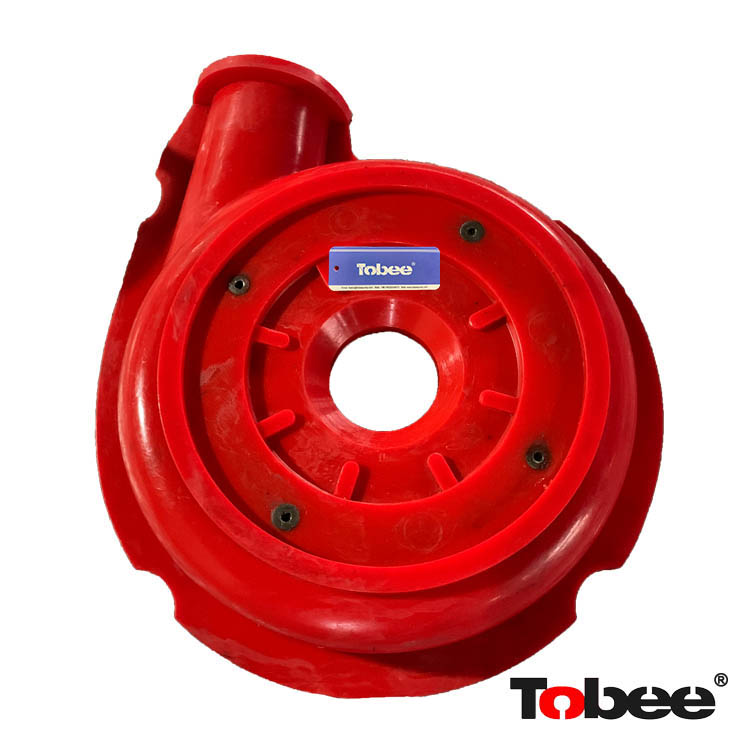
Quarry slurry is one of the most abrasive materials in the world. Constant exposure to sharp sand and gravel gradually wears down the impeller, casing, and liners, reducing efficiency and eventually causing failure.
Prevention Tips
Choose pumps with high-chrome metal or rubber-lined components depending on the slurry type. Maintain correct impeller clearances to reduce turbulence. Rotate or replace liners before excessive wear occurs. Use wear monitoring tools to schedule maintenance proactively.
The Problem
Using the wrong type or size of pump is a leading cause of premature failure. Undersized pumps work beyond their capacity, causing overheating and vibration; oversized pumps waste energy and accelerate wear at low flow rates.
Prevention Tips
Match pump selection to slurry density, flow rate, and head requirements. Always consult a professional supplier for proper sizing. Use performance curves to ensure operation near the Best Efficiency Point (BEP).
The Problem
Cavitation occurs when vapor bubbles form and collapse violently inside the pump, damaging impellers and reducing performance. It’s typically caused by insufficient suction head or excessive suction lift.
Prevention Tips
Keep suction piping short, smooth, and properly sized. Maintain adequate Net Positive Suction Head (NPSH). Avoid running pumps at too low a suction pressure. Regularly inspect suction strainers and check valves for blockage.
The Problem
Mechanical seals or packing rings often fail due to abrasion, dry running, or incorrect installation. Seal failure can lead to leakage, bearing contamination, and ultimately total pump breakdown.
Prevention Tips
Use flushing systems to keep seals lubricated and clean. Install seal protection devices where slurry contains coarse particles. Check alignment and seal pressure regularly.
The Problem
Bearings are critical to smooth pump operation. Excessive heat buildup, misalignment, or contaminated grease often lead to premature bearing failure.
Prevention Tips
Ensure proper lubrication intervals and correct grease type. Check for misalignment during installation. Keep bearing housings clean and sealed from dust and moisture.
The Problem
Even the best pump can fail in a poorly designed system. High friction losses, long discharge lines, or sharp bends cause excessive back pressure and mechanical stress.
Prevention Tips
Review the entire pipeline layout for efficiency. Use gradual bends instead of sharp elbows. Reduce discharge length or vertical lift where possible. Ensure consistent flow without sudden start-stop cycles.
The Problem
Many failures occur simply because pumps run until they break. Neglecting small warning signs — vibration, noise, reduced flow — leads to major breakdowns.
Prevention Tips
Implement a preventive maintenance plan with regular inspections. Track pump performance data (pressure, flow, vibration). Train operators to recognize early signs of wear or imbalance.
Bookmark
Daniel Féau processes personal data in order to optimise communication with our sales leads, our future clients and our established clients.


This site is protected by reCAPTCHA and the Google Privacy Policy and Terms of Service apply.