






EUR
en
The first thing you should do when your slurry pump won't start is to check the power supply. Make sure the pump is properly plugged in and that the circuit breaker or fuse hasn't tripped. If the breaker has tripped, reset it and try starting the pump again. If it trips immediately, there might be a short circuit in the pump or the wiring. In this case, it's best to call a professional electrician to diagnose and fix the problem.
Another thing to check is the voltage. Slurry pumps are designed to operate within a specific voltage range. If the voltage is too low or too high, the pump might not start or could be damaged. You can use a multimeter to check the voltage at the pump's power source. If the voltage is outside the recommended range, you might need to install a voltage regulator or contact your power company to resolve the issue.
The motor is the heart of the slurry pump, and if it's not working properly, the pump won't start. Start by checking the motor's wiring. Look for any loose connections, frayed wires, or signs of damage. If you find any issues, you'll need to repair or replace the wiring. It's also a good idea to check the motor's capacitor. A faulty capacitor can prevent the motor from starting. You can use a capacitor tester to check if the capacitor is working correctly. If it's not, replace it with a new one of the same specifications.
Next, check the motor's bearings. Worn or damaged bearings can cause the motor to seize up and prevent the pump from starting. You can listen for any unusual noises coming from the motor when you try to start it. If you hear grinding or screeching sounds, it's likely that the bearings need to be replaced. Replacing bearings can be a complex task, so it's best to have a professional do it.
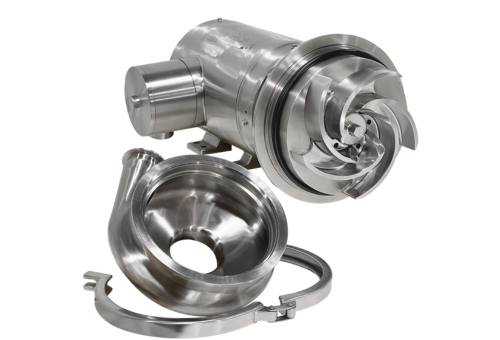
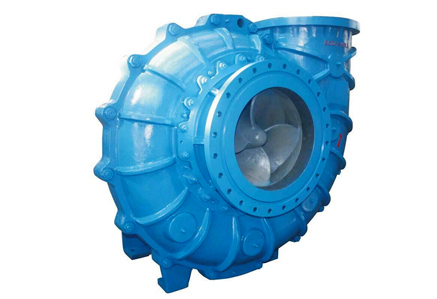
The impeller is the part of the pump that moves the slurry. If it's blocked or damaged, the pump won't be able to operate properly. First, turn off the power to the pump and remove the pump cover. Inspect the impeller for any debris or foreign objects that might be blocking it. If you find any, carefully remove them. You should also check the impeller for any signs of damage, such as cracks or chips. A damaged impeller will need to be replaced.
While you're inspecting the impeller, check the clearance between the impeller and the pump casing. If the clearance is too small, the impeller might be rubbing against the casing, which can prevent the pump from starting. You can adjust the clearance by following the manufacturer's instructions.
The control panel is where you operate the pump, and if it's not working correctly, the pump won't start. Check the control panel for any error messages or indicator lights. These can give you clues about what's wrong with the pump. If there are error messages, refer to the pump's manual to understand what they mean and how to fix the problem.
Also, check the control panel's switches and relays. Make sure they're in the correct position and that they're functioning properly. A faulty switch or relay can prevent the pump from receiving the signal to start. If you suspect that a switch or relay is faulty, you can test it with a multimeter or replace it with a new one.
Sometimes, there might be mechanical obstructions in the pump that prevent it from starting. Check the pump's shaft for any signs of binding or misalignment. A misaligned shaft can cause the pump to vibrate excessively and prevent it from starting. You can use a dial indicator to check the shaft alignment. If it's misaligned, you'll need to realign it according to the manufacturer's specifications.
Also, check the pump's coupling. The coupling connects the motor to the pump shaft. If it's damaged or loose, the pump won't be able to receive the power from the motor. Inspect the coupling for any signs of wear or damage. If it's damaged, replace it with a new one.
The way the pump is installed can also affect its ability to start. Make sure the pump is properly mounted and level. An unevenly mounted pump can cause excessive vibration and prevent the pump from starting. Check the mounting bolts to make sure they're tight.
Also, check the suction and discharge pipes. Make sure they're properly connected and that there are no kinks or blockages. A blocked suction pipe can prevent the pump from drawing in the slurry, while a blocked discharge pipe can cause the pump to overpressure and prevent it from starting.
Bookmark
Daniel Féau processes personal data in order to optimise communication with our sales leads, our future clients and our established clients.


This site is protected by reCAPTCHA and the Google Privacy Policy and Terms of Service apply.