Centrifugal Pump Cavitation: An Overview
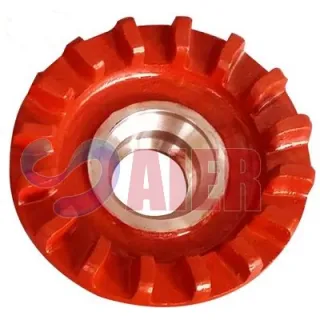
Cavitation occurs in centrifugal pumps when there is insufficient pressure at the pump’s suction end. Bubbles accumulate around the impeller eye and eventually implode, causing intense shockwaves to damage the impeller or pump housing.
What Causes a Centrifugal Pump to Cavitate?
Centrifugal pump cavitation may be due to various factors, some of which include:
- Insufficient NPSH (Net Positive Suction Head): The pump’s NPSH is lower than the NPSHA (Net Positive Suction Head Available) of the liquid being pumped.
- Poor Pump Design: A poorly designed pump with a low suction-specific speed can lead to cavitation.
- Viscosity Changes: Changes in the viscosity of the liquid being pumped can cause cavitation, especially in high-viscosity liquids.
- Piping System: The piping system can also cause cavitation. For example, a long suction pipe with many elbows can reduce the NPSHA, eventually leading to cavitation.
Types of Cavitation: Suction and Discharge
The two types of cavitation are suction cavitation and discharge cavitation.
Suction Cavitation:
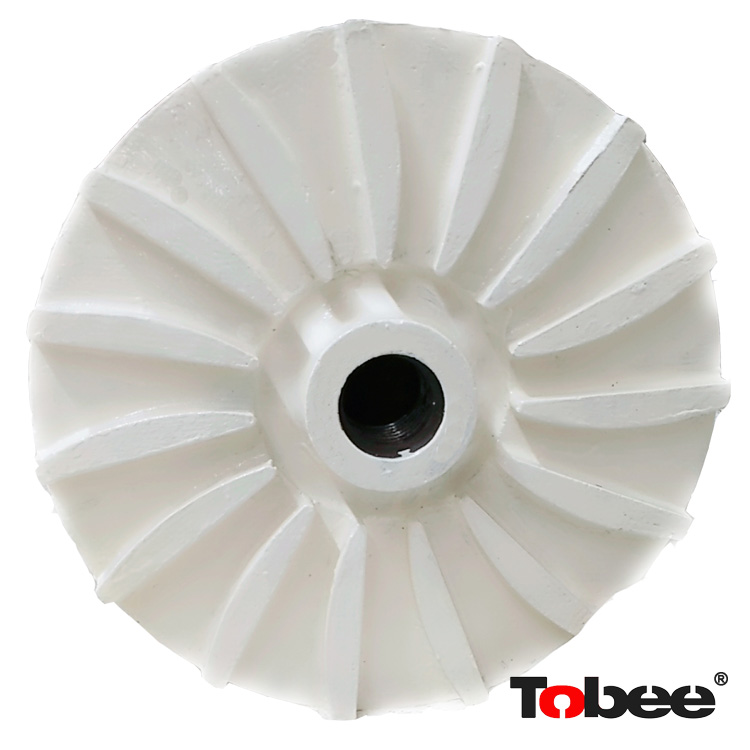
Suction cavitation occurs when the centrifugal pump is subjected to low pressure or high vacuum conditions. It is characterized by the impeller having multiple pitting, which makes it resemble a sponge.
Some of the possible causes of suction cavitation include:
- The pump running too far right on the pump curve
- Clogged suction pipe
- Poor suction conditions
- High inlet fluid velocity
- Poor pipe design
Discharge Cavitation:
Discharge cavitation occurs when the centrifugal pump’s pressure is too high or loses 90% of its efficiency. Under this condition, the fluid cannot easily flow out of the pump. Instead, it moves inside the working chamber at high speeds, causing cavities to form. The easiest way to identify discharge cavitation is to check the impeller for pitting around the outer edges.
Some of the possible causes of discharge cavitation include:
- The pump running too far left (below Minimum Continuous Stable Flow) on the pump curve
- Clogged discharge pipes or filters
- Poor pipework design
How To Prevent Centrifugal Pump Cavitation
- Pump Selection: The most effective way to prevent cavitation is by selecting the right pump for the application. Cavitation is more likely to occur when the pump head falls or as capacity increases. Choosing the correct pump helps you maintain a positive margin of NPSHa to NPSHr. Ensure the pressure at the pump inlet is at least 10% greater than the pump’s NPSHr.
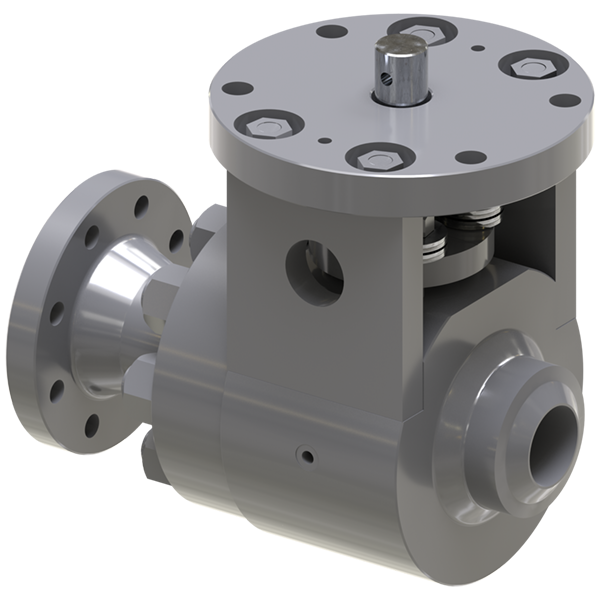
- Remove Bends and Valves: Bends and valves create restrictions in the flow, causing an increase in fluid velocity and a drop in pressure. This drop in pressure can cause the fluid to reach its vapor pressure and form vapor bubbles, which can collapse and cause cavitation. By reducing the number of bends and valves, the fluid flow is smoother and less restricted, leading to a lower fluid velocity and less pressure drop.
- Maintenance: You also need to carry out regular maintenance on the pump to avoid cavitation. Check filters and strainers to see if they are blocked and unclog them. Assess the entire pump system design to ensure the flow rate is at optimum levels.
- Adjust Suction Pipe Length and Diameter: A long suction pipe can cause a significant pressure drop, leading to cavitation. Therefore, reducing the length can decrease the chances of cavitation. The diameter of the suction pipe affects the fluid velocity, and it can increase the likelihood of cavitation if it is too small. Ideally, ensure there is 12cm of straight pipe for every diameter of pump suction.
PumpWorks Understands Centrifugal Pump Cavitation
Experience unparalleled pump solutions when you trust PumpWorks. With our cutting-edge pump components, you can avoid cavitation and enjoy efficient, long-lasting industrial pumps. We recognize the significance of safeguarding your valuable investments, which is why we design our pump components with durability and efficiency in mind.