

EUR
en
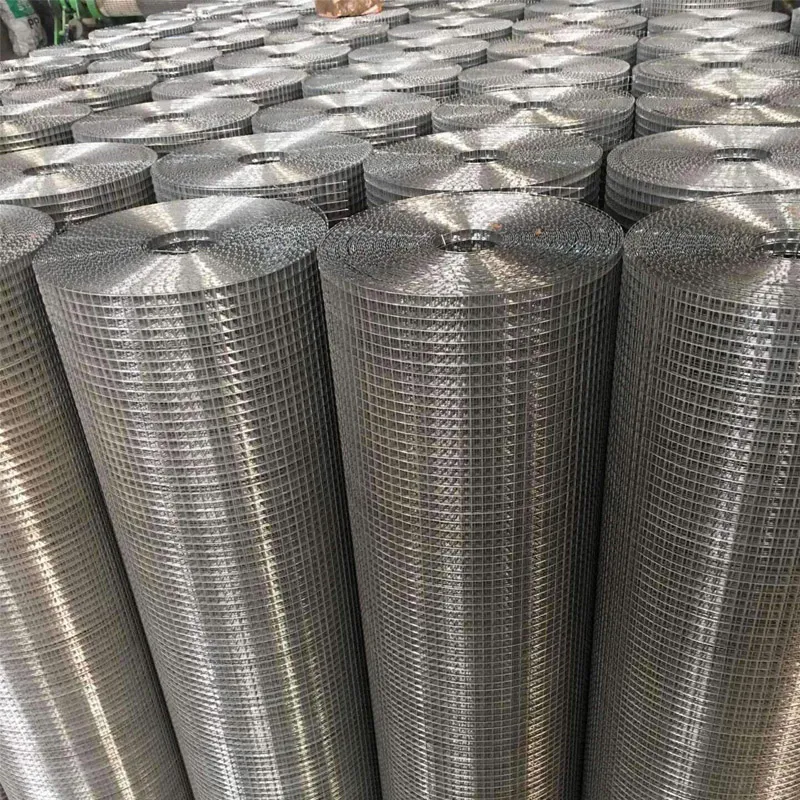
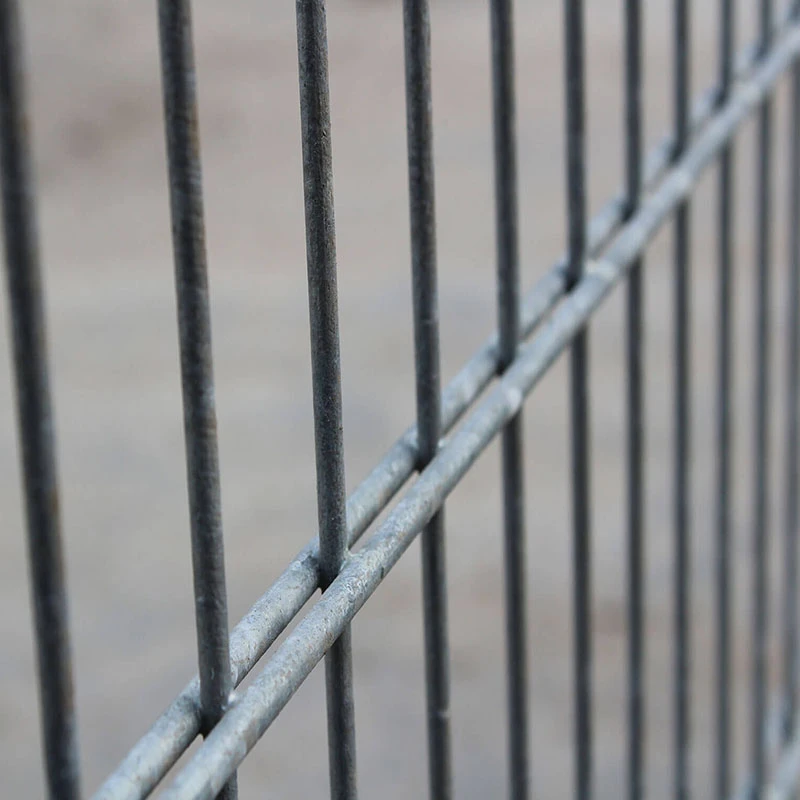
Steel, when left untreated, is prone to rust and degradation. The galvanisation process immerses steel in molten zinc, creating a protective layer that shields the steel from the elements. This ensures not only an extended lifespan for the chicken wire but also a resilience that’s much needed in construction, particularly in moisture-heavy environments. Most importantly this is far more affordable than stainless steel; making galvanised steel chicken wire perhaps the most popular mesh type in the World.
Another way of protecting steel from rust and corrosion is by coating it in a form of plastic. A coating of PVC (Polyvinyl chloride), for example, adds an extra layer of durability to the wire mesh. PVC is resistant to weathering, chemical rotting, and abrasion. Its green hue serves a dual purpose: aesthetic appeal and a blending capability, making it a perfect fit for environments where a natural appearance is desired.
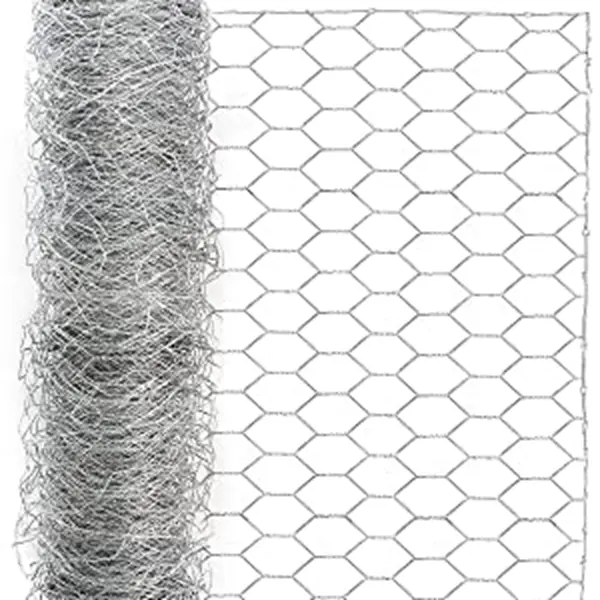
The unique feature of chicken wire, setting it apart from other mesh products, is its distinct hexagonal pattern. The size of these hexagons can be chosen based on the project’s requirements:
This fine mesh is apt for applications that need a robust, tight-knit structure. It’s extensively used in plastering as a reinforcement layer, ensuring the plaster adheres smoothly and uniformly.
This mid-range size strikes a balance between visibility and security. It’s versatile, suiting a range of construction purposes from foundational reinforcement to aesthetic enhancements.
The broadest size, perfect for projects that demand substantial airflow or visibility. This size is a popular choice for larger enclosures and some fencing projects.
While the traditional uses of chicken wire remain valid and vital, innovative applications in contemporary construction are truly showcasing its versatility:
Interior designers are recognising chicken wire as a chic, rustic element. It can be framed and used as memo boards, jewelry organisers, or simply as decorative panels that add an industrial or country touch to spaces.
In regions with temperature fluctuations, exterior plaster or stucco can develop cracks. Chicken wire, with its firm structure, acts as a support system, reducing the risk of structural cracks and enhancing the surface’s longevity.
In mountainous or landslide-prone regions, large hole chicken wire (like the 50mm variant) is used as barriers to hold back loose rocks or debris, providing an economical solution to an otherwise expensive problem.
Urban spaces are constantly seeking green solutions to counteract the concrete jungle. Chicken wire can be used as foundational support for climbing plants, and converting plain walls into green, breathing spaces.
Artists and craft enthusiasts are harnessing the potential of chicken wire to sculpt life-size figures, lanterns, and other art installations, indicating its growing influence beyond construction.
With a growing emphasis on sustainable construction, materials like chicken wire (especially when made with green PVC) are at the forefront.
They’re lightweight, reducing transportation costs and emissions. Furthermore, both galvanized steel and PVC are recyclable, ensuring that constructions incorporating them have a smaller carbon footprint.
Chicken wire is a far more cost-effective mesh to produce than, for example, woven wire mesh, which has a much more time-consuming and detailed manufacturing process.
The evolution of chicken wire from a simple enclosure for poultry to a sought-after construction material is a testament to its adaptability and resilience.
As we push the boundaries of design and functionality, materials like chicken wire, especially when available in varied materials and sizes, prove that innovation often lies in revisiting and repurposing the familiar.
Bookmark
Daniel Féau processes personal data in order to optimise communication with our sales leads, our future clients and our established clients.
This site is protected by reCAPTCHA and the Google Privacy Policy and Terms of Service apply.