





EUR
en
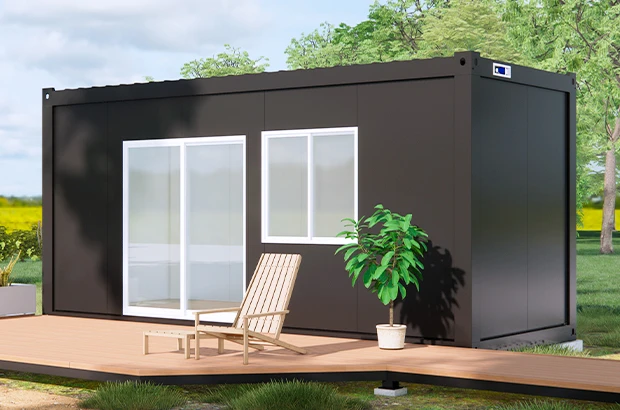
A cafe shipping container is a steel shipping container transformed into a fully functional coffee shop or small café. These container cafes offer an innovative solution for entrepreneurs seeking mobility, speed of setup, and a unique aesthetic. Whether it’s a beachside espresso bar, an urban pop-up, or a seasonal stand at a farmers market, container cafes provide a flexible way to bring your business to life.
The appeal of container cafes lies in their modular design, durability, and eco-friendliness. They’re easier to set up than traditional brick-and-mortar buildings and are perfect for high-traffic, low-footprint locations. You can also relocate them as your business grows or seasons change, making them ideal for startups and mobile food vendors.
While every cafe shipping container is different, most share a set of essential features that make them functional and welcoming for both staff and customers.
Common features include:
Add rooftop patios to increase seating and attract foot traffic.
Cafe containers come in several standard sizes, each suited to different business needs. Here’s a look at the most popular options:
SizeExterior Dimensions (L × W × H)Interior Dimensions (L × W × H)Best Used For10ft10’ × 8’ × 8’6”(3.05m x 2.44m x 2.59m)9’4” x 7’8” x 7’10”(2.84m x 2.34m x 2.39m)Compact espresso stands, pop-up kiosks, and takeaway-only setups20ft20” × 8’ × 8’6”(6.058m × 2.438m × 2.591m)19’5” × 7’8” × 7’10”(5.902m × 2.352m × 2.385m)Standard cafe builds with room for a barista station and storage40ft (High Cube)40’ × 8’ × 9’6”(12.192m × 2.438m × 2.896m)39’6” × 7’9” × 8’10”(11.96m × 2.35m × 2.70m)Large cafes with kitchen prep, seating area, or multi-service zones
To enhance both form and function, many container cafes incorporate custom add-ons that align with the café’s theme and service model.
Here are a few of the most requested upgrades:
Used to add extra seating and create unique, Instagram-worthy spaces—especially popular in urban settings or scenic areas. Typically accessed via an external staircase with railings for safety.
Installed along the serving window, these provide a convenient space for walk-up orders and small customer gatherings. Fold down when not in use to save space and secure the container.
Essential for efficient operations, these setups support barista stations, under-counter storage, refrigeration units, and food prep zones. Stainless steel is used for hygiene and durability.
Doors and windows can increase natural light and visibility, making the container feel more spacious while showcasing interior design. Sliding or roll-up styles are commonly used to maximize airflow and customer engagement.
This includes roll-down steel shutters for windows, reinforced doors, tamper-resistant locks, and lockboxes for overnight protection. Critical for safeguarding equipment and inventory.
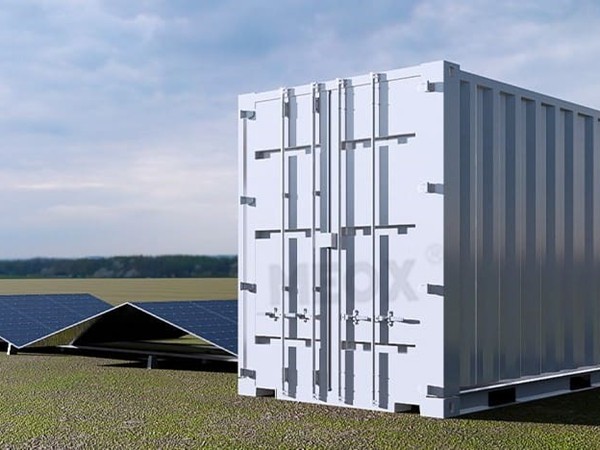
These solar panel systems are mounted on the roof to generate off-grid power, especially useful for mobile or remote setups. Often paired with battery storage and inverters to run lighting, POS systems, and small appliances.
This includes wheelchair ramps, wide entry doors, and accessible service counters. Such features ensure the cafe is inclusive and compliant with building codes in most U.S. jurisdictions.
Custom interiors with commercial-grade materials meet health codes and improve daily workflow efficiency.
These are base prices for standard, unmodified containers. Custom add-ons, insulation, HVAC, electrical, and branding elements will increase the final cost.
Container TypeOaklandLos AngelesSacramentoDallasAtlanta10ft Standard Storage Container$3,225 if buying$109/4 weeks if renting$109/4 weeks if renting$3,225 if buying$109/4 weeks if renting$5,224 if buying$109/4 weeks if renting$6,046 if buying$109/4 weeks if renting20ft Standard ISO Shipping Container$2,149 if buying$119/4 weeks if renting$2,300 if buying$119/4 weeks if renting$2,279 if buying$119/4 weeks if renting$2,089 if buying$119/4 weeks if renting$119/4 weeks if renting40ft Shipping Container$2,095 if buying$139/4 weeks if renting$2,100 if buying$139/4 weeks if renting$2,095 if buying$139/4 weeks if renting$2,349 if buying$139/4 weeks if renting$2,159 if buying$139/4 weeks if renting
*These numbers are estimates, and the actual price can vary.
Can I add seating inside a container cafe?Yes, especially in 20ft and 40ft containers, which offer enough room for indoor seating. Many owners also add fold-out counters or rooftop patios for outdoor seating options.
What are the insulation and climate control options?Conexwest has a variety of insulation packages including spray foam, rigid board, and batt insulation, plus HVAC units or mini-splits to keep your cafe comfortable in any season.
Are container cafes mobile or permanent?They can be either. Some are installed as permanent fixtures with utilities, while others are built for mobility, using trailers or forklifts for relocation to events or seasonal spots.
Can I power my cafe with solar energy?Yes, solar panels are a popular add-on for container cafes. They can be used to power lighting, refrigeration, point-of-sale systems, and ventilation, especially in mobile or off-grid setups.
Can I expand my container cafe in the future?Yes! Many cafe owners start with a single unit and later add additional containers to expand seating, kitchen space, or even create multi-level setups.
Bookmark
Daniel Féau processes personal data in order to optimise communication with our sales leads, our future clients and our established clients.
This site is protected by reCAPTCHA and the Google Privacy Policy and Terms of Service apply.