




EUR
en
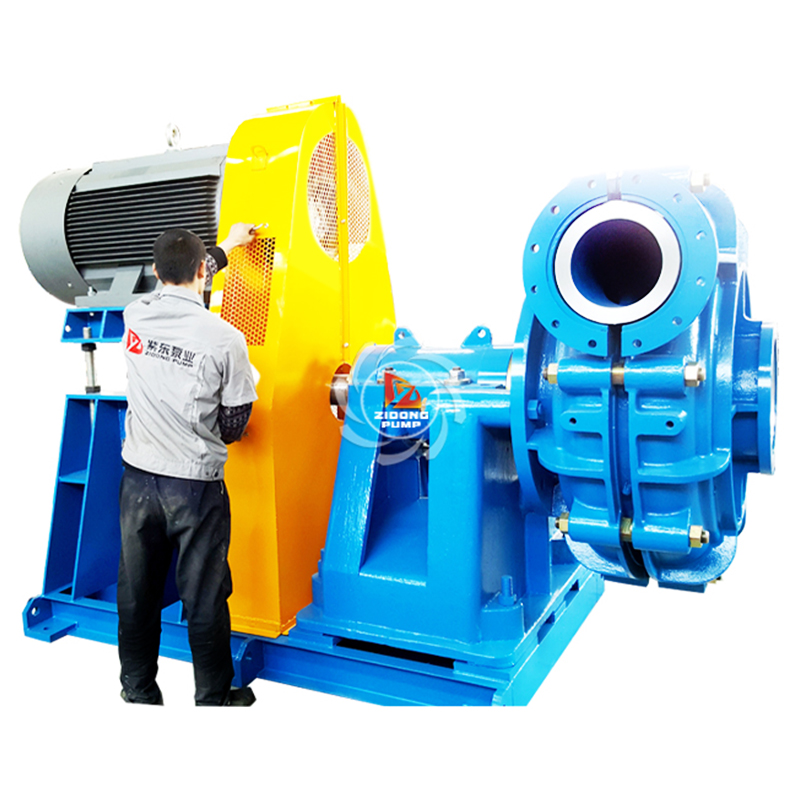
Vibration, abnormal noise, or failure to rotate are common slurry pump malfunctions. If left unresolved, they can seriously affect production. The following are typical causes:
Uneven density can cause pump vibration at startup. However, once running normally, the vibration usually disappears. No special treatment is required—just ensure the medium is evenly mixed using high-pressure air before startup.
Cavitation may cause the impeller to lose balance. Solutions include partially closing the discharge valve, lowering the installation height, and reducing inlet resistance.
Make sure the pump body is horizontally aligned during installation and check it regularly for levelness.
Improve the uniformity and stability of air intake and ensure consistent feeding into the pump.
Large bearing clearance causes excessive vibration. Monitor bearing conditions regularly. If misalignment or bearing damage is found between the pump and motor shafts, repair or replace promptly.
Depending on the type of fault, choose to repair or replace the motor. Always monitor the motor's performance.
Tighten if loose; replace if broken.
Debris stuck between the impeller and front/rear liner, or liner damage causing impeller blockage, or accumulation of media due to delayed discharge can all stop the pump. Disassemble and inspect the pump to remove blockages. Preventive measures are essential, as such repairs cause production downtime.
If the discharge valve fails to seal properly, slurry can enter and settle in the pump chamber. Repair or replace the valve and remove any sediment buildup.
When compressed axially, packing exerts high radial pressure for effective sealing. It can also compensate for wear, vibration, and shaft eccentricity.
Ensures the packing doesn’t fail before wear sets in.
Compatible with sealing fluids and lubricants. It resists corrosion and swelling, and does not contaminate the medium.
To resist fluid penetration, the packing must have a dense structure. Therefore, packing is often impregnated with fillers and lubricants during manufacturing.
Allows for quick heat dissipation and endures friction-generated heat.
Low friction coefficient and wear resistance enhance service life.
Packing is easy to produce, install, remove, and cost-effective.
However, materials that meet all these criteria are rare. High-performance options like metallic soft packing, carbon fiber, and flexible graphite have excellent properties and wide applicability but are more expensive. Natural fiber types (e.g., hemp, cotton, wool) are cheaper but less durable and suitable for limited applications. Therefore, material selection should consider multiple factors.
Packing seals rely on axial pressure to generate radial contact with the shaft sleeve, resulting in significant friction and frequent sleeve replacements.
Around 10%–15% of shaft power is consumed to overcome friction.
Leakage can infiltrate the bearing housing and damage bearings.
Packing often operates in suboptimal conditions, leading to increased wear and shortened lifespan, resulting in a cycle of repeated failures.
A certain amount of leakage is required to remove friction heat, which results in cooling water loss.
In conclusion, while packing seals are simple and cost-effective, they require frequent maintenance, cause energy loss, and are not suitable for flammable, explosive, toxic, or valuable fluids due to inevitable leakage
Bookmark
Daniel Féau processes personal data in order to optimise communication with our sales leads, our future clients and our established clients.


This site is protected by reCAPTCHA and the Google Privacy Policy and Terms of Service apply.