




EUR
en
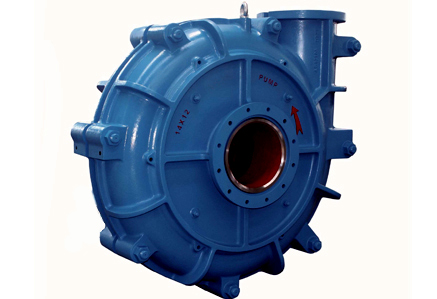
Centrifugal pumps work on the scientific principle of centrifugal force, where water is propelled through a mechanism. The system is a pump with an impeller attached to a rotating column inside a shaft. These are connected to both an intake and discharge connection. The impeller creates pressure in the liquid inside the shaft, “throwing” the water from the impeller out through the discharge.
A flooded suction in a centrifugal pump is where liquid originates. The liquid is held at a level above the suction port of the pump, and allows liquid to arrive at the pump through gravity.
In order to operate this pump, liquid must already be within the flooded suction. If liquid is present at the acceptable levels, the pump is primed and ready for use. If there is air in the system, the pump may suffer from air lock and liquid (either partially or totally) will not leave the pump. To remove air from the system, install a bleeder valve, or a coupling may be opened on the discharge side to the atmosphere to air to escape.
Liquid should already be in the pump when the coupling is opened. If the liquid is corrosive or dangerous, great care should be taken when opening the coupling to not have any liquid contact the operator. It is normal to have a little liquid leave the coupling when opened.
This type of pump priming requires that the suction line between the tank and the pump be filled with liquid.
In order to accomplish this, the suction pipe in the tank must be below the liquid in the tank. There must be a check valve as close to the start of the suction pipe in the tank as possible. After the pump is used, unless the tank is emptied, there should be liquid in the suction pipeline. Often the suction pipe is filled by using a “t” connection.
To properly prime this pump, the priming reservoir, placed in front of the pump, should be filled before each use. For the 750 priming chamber, the pump should be no more than 10 feet away the source of the liquid. Other priming reservoir chambers may be placed further away. Always be sure to check with the manufacturer.
The chamber should be checked after every use to ensure it is full of liquid, as the liquid may back siphon out of the chamber. A check valve can be installed to help monitor. This may also increase your friction losses. If it is not, there is a cap on top of the chamber which can be taken off and liquid can be poured in that opening.
In order to prime this pump, the priming chamber should be filled by unscrewing the cap on top.
The self-priming 7 should be used no more than 12 feet away from the source of the liquid. Normally, the liquid does not back siphon out from the chamber. However, it is still encouraged to check the chamber to ensure it is filled with capacity before each use.
If it is not filled completely, the pump may not be able to suck up any more liquid, and then is dependent on the distance away from the source of liquid.
By following these instructions and staying within the manufacturer’s specs, you can expect to have a longer lifetime from your pump equipment.
Bookmark
Daniel Féau processes personal data in order to optimise communication with our sales leads, our future clients and our established clients.


This site is protected by reCAPTCHA and the Google Privacy Policy and Terms of Service apply.