





EUR
en
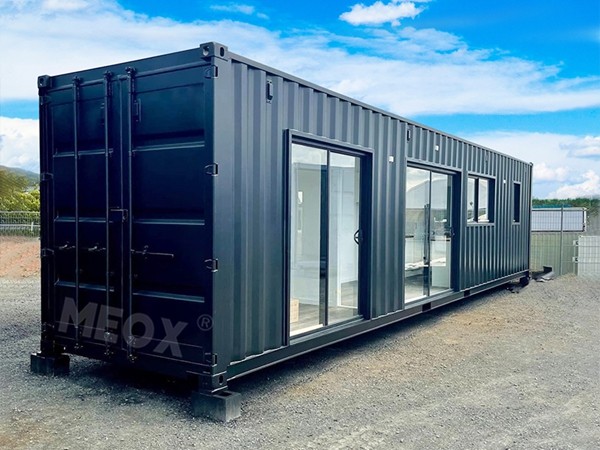
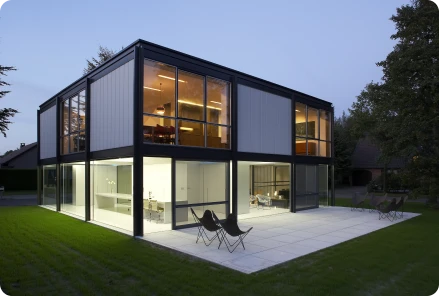
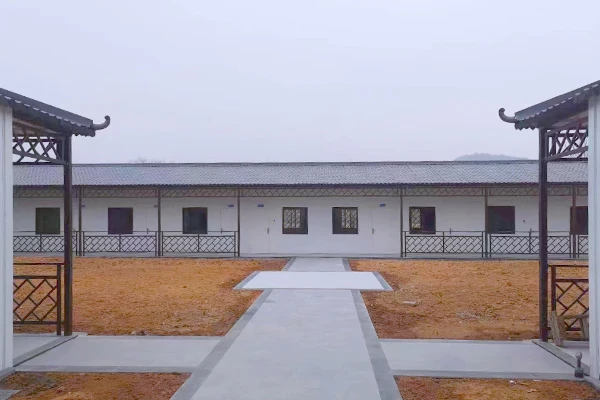
In an era defined by climate urgency, housing affordability crises, and technological innovation, the construction industry stands at a crossroads. Traditional reinforced concrete structures, long celebrated for their durability, are increasingly criticized for their environmental toll, cost inefficiency, and rigidity. Enter two transformative alternatives:container homesandlight steel framing. When combined—as seen in visionary designs where light steel-framed living spaces bridge container modules—these systems are redefining residential architecture. This article explores how their synergy promises a future of sustainable, adaptable, and affordable living.
The financial case for container and light steel construction is compelling. Shipping containers, repurposed from decommissioned cargo units, slash material costs: a single container can form a core living module, eliminating the need for expensive formwork or masonry. Light steel framing, with its prefabricated components, reduces labor and waste. Industry data shows container-based builds cut material costs by 30–50% compared to concrete, while light steel’s precision engineering shrinks timelines: a 2,000-square-foot home can be erected in 8–12 weeks, versus 6–12 months for concrete.
Portability amplifies these savings. Containers are shipped globally, while light steel components—lightweight yet robust—travel easily to remote areas, where transporting concrete is logistically costly. This accessibility makes affordable housing viable in regions once deemed economically unfeasible, from rural villages to disaster-struck zones.
Sustainability is baked into these systems. Shipping containers embody the circular economy: repurposing one diverts 1.5–2 tons of steel from landfills, curbing the 7–9% of global CO₂ emissions linked to virgin steel production. Light steel framing is 95% recyclable, outpacing concrete’s minimal recyclability.
Prefabrication further reduces waste: factory-controlled production minimizes errors, with leftover materials recycled internally. On-site, container and light steel builds generate 70% less waste than traditional sites. Energy efficiency adds to their green credentials: insulated containers regulate temperature, while light steel frames integrate high-performance insulation and double-glazed windows, slashing energy use. Together, they align with net-zero goals, proving sustainability need not compromise affordability.
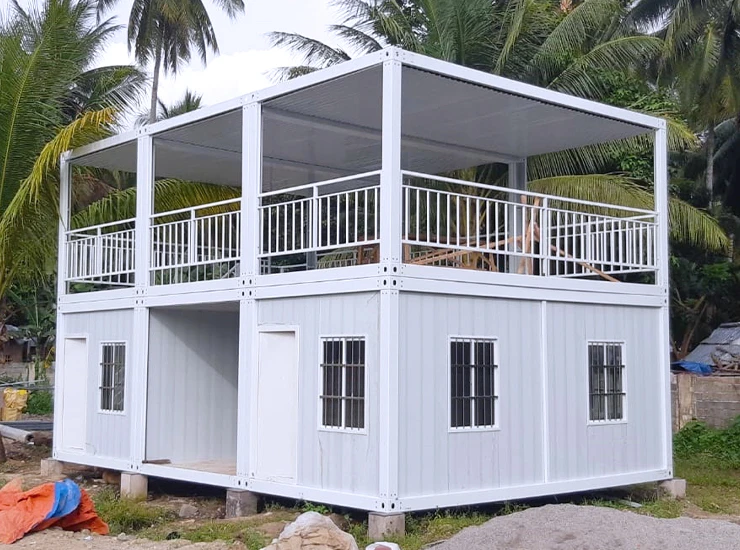
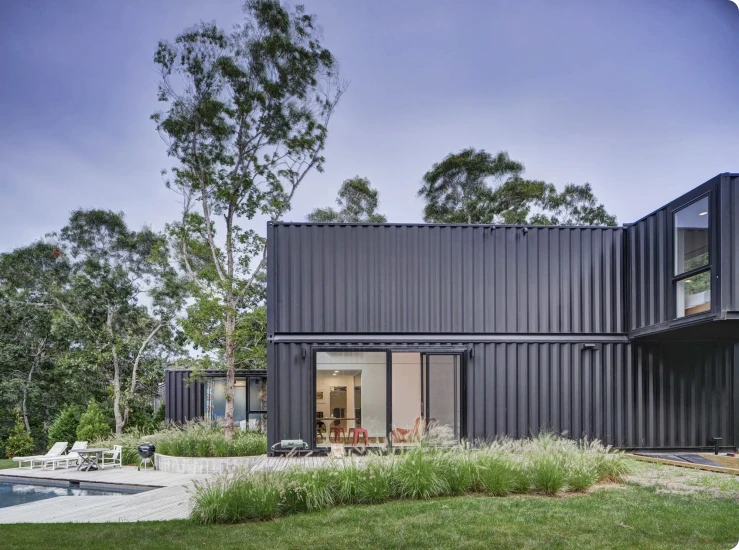
Gone are the days of container homes as “industrial boxes.” Modern designs showcase architectural daring: containers stacked, offset, or paired with light steel extensions create multi-story homes, open-plan living, or curved roofs. Light steel’s strength-to-weight ratio enables large spans and vaulted ceilings, while its adaptability to terrain—from steep hillsides to floodplains (via elevated steel piers)—turns challenges into assets.
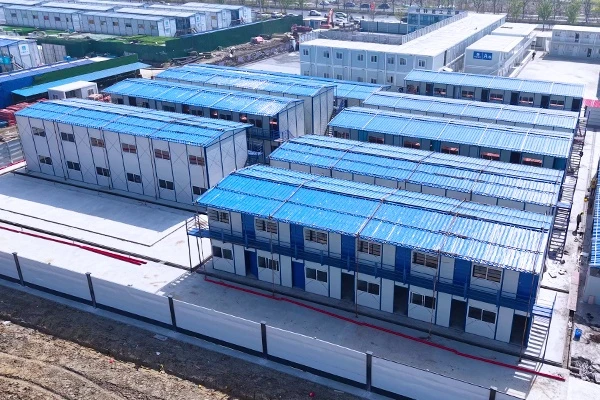
For homeowners, modularity means future-proofing: add a container or steel-framed wing as families grow, without major renovations. In urban settings, container-light steel clusters form eco-communities with shared light steel walkways, fostering connection. These structures blend practicality with artistry, proving modular design can be both functional and beautiful.
In a world facing climate disasters and seismic activity, container and light steel structures offer resilience. Steel—ductile by nature—bends rather than breaks under stress: light steel frames meet strict seismic codes, outperforming concrete in earthquake-prone regions. Containers, built to withstand marine environments, resist rot, pests, and fire (with proper treatment). Elevated on light steel stilts, they avoid floods or wildfires.
Their durability shines in everyday use: a well-maintained container home lasts 50+ years, with light steel framing matching concrete’s lifespan—while remaining recyclable. In disaster zones, they deploy rapidly as emergency housing, adapting to schools or clinics as needs evolve. For communities, this resilience means safety and long-term value.
The future of these systems is tied to societal needs. In cities grappling with housing shortages, modular builds enable dense, affordable communities. Light steel-framed amenities (rooftop gardens, co-working spaces) maximize land use. In rural areas, off-grid container-light steel homes—powered by solar panels on light steel roofs—empower sustainable living.
Humanitarian efforts will rely on their speed and adaptability: post-disaster, they provide safe housing in weeks. As technology advances (e.g., 3D-printed steel, AI design), their potential will expand, addressing housing inequality and climate challenges simultaneously.
Container homes and light steel framing are more than trends—they’re a paradigm shift. By merging cost-efficiency, sustainability, and resilience, they tackle urgent global issues. As innovation accelerates, these structures will redefine skylines, proving that practicality and beauty can coexist. The future of building is modular, sustainable, and undeniably bold.
Bookmark
Daniel Féau processes personal data in order to optimise communication with our sales leads, our future clients and our established clients.

This site is protected by reCAPTCHA and the Google Privacy Policy and Terms of Service apply.