







EUR
en
This blog post is the first in a three-part series that discusses flue gas desulfurization (FGD). This post provides overviews of sulfur dioxide pollution (SO2) and emissions regulations, the FGD industry, and global flue gas desulfurization market trends. The second post provides high-level overviews of wet, semi-dry, and dry FGD technologies with respect to SO 2 capture applications at coal-fired power plants. The final post explores representative FGD process flows and chemistry for each of the three FGD technology types as applied to coal-fired power plant applications.
Sulfur dioxide (SO 2) is formed primarily through the combustion of sulfur-containing fossil fuels, such as coal and oil, by the power generation sector and other industrial facilities. Because processed natural gas typically contains only trace amounts of sulfur, natural gas combustion is generally not a significant source of SO 2 emissions. FGD is a suite of technologies developed over the years to reduce SO 2 emissions by capturing SO 2 from point sources of flue gas such as coal-fired power plants.
SO 2 has many harmful health and environmental effects including:
Given the harmful health and environmental effects of SO 2 in the atmosphere, many governments around the world have enacted regulations aimed at significantly reducing SO 2 emissions. These regulations are typically attained using FGD.
In “Global Sulfur Dioxide Emissions and the Driving Forces,” Zhong _et al._ write that developed countries have made significant progress in mitigating SO 2 pollution through decades of effort, while most developing countries have only recently started to adopt effective SO 2 control strategies. Zhong _et al._ state that China only began to impose SO 2 regulations in 2000 and that China’s pace of emission reduction accelerated following the issuance of the Air and Pollution Prevention and Control Action Plan in 2013, while India and other countries have seen continuing increases in SO 2 emissions because of the growth of electricity demand and the absence of effective emissions control regulations.
In the United States, the Environmental Protection Agency (EPA) has set national ambient air quality standards for six criteria pollutants, including SO 2, under the Clean Air Act (CAA), and the CAA’s “Good Neighbor” provision addresses cross-state air pollution of emissions including SO 2. The EPA’s Acid Rain Program (ARP) caps the amount of SO 2 emissions by power plants at approximately one-half of the 1980 SO 2 emissions from the power plant sector. Further, SO 2 is also controlled under the EPA’s Regional Haze Rule, and the Mercury and Air Toxics Standards (MATS) led to additional decreases in SO 2 emissions.
As will be discussed in detail in subsequent blog posts of this series, FGD technologies generally fall into one of three categories:
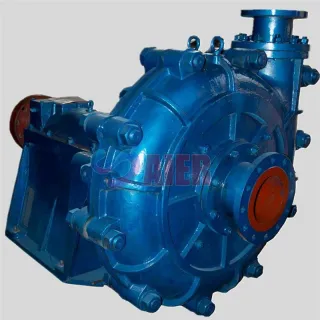
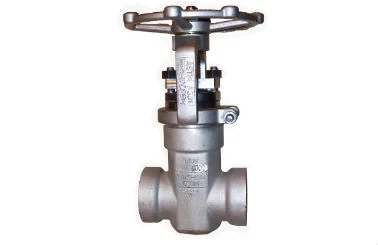
Importantly, with respect to the global construction industry, the deployment of FGD systems (particularly wet FGD systems) typically results in large capital projects. Installation of wet and semi-dry FGD systems typically entails equipping new SO 2 point sources or retrofitting existing SO 2 point sources with large reaction vessels (scrubbers and spray dryers) as well as associated large-scale ducting, fans, piping, pumps, reagent storage and delivery systems, and/or de-watering equipment.
Several market analysis reports indicate growth in the global FGD market over the next decade:
Bookmark
Daniel Féau processes personal data in order to optimise communication with our sales leads, our future clients and our established clients.


This site is protected by reCAPTCHA and the Google Privacy Policy and Terms of Service apply.