







EUR
en
Any house with a basement needs a sump pump, the first line of defence against basement flooding.
The sump pump checks the water level in the sump pit and automatically pumps out any extra water to protect the foundation and belongings.
However, even the most reliable sump pumps can have problems that cause them to overflow.
Sump Pit: This is a watertight hole dug into the lowest part of your basement floor.
Water Collection: When it rains or snow melts, water seeps through the foundation and builds up in the sump pit.
Float Switch: The pump is connected to the float switch, which raises as the water level rises. When the float reaches a certain level, it turns on the pump and starts pumping the water out.
Water Discharge: When the pump is turned on, it forces water out of the basement through a line, usually outside the foundation.
Power Outages: If the power goes out suddenly, your sump pump might not work, which could cause water to build up quickly and cause flooding.
Clogged Discharge Line: The sump pump discharge pipe outside is important for proper drainage. If it gets clogged, water won’t flow freely, which could cause the sump pit to fill up and overflow.
Mechanical Failures: Sump pumps can experience wear and tear like any mechanical device. Common issues include:
Sump pump not working: The pump might not start because of a blown fuse, a tripped breaker, or internal mechanical problems.
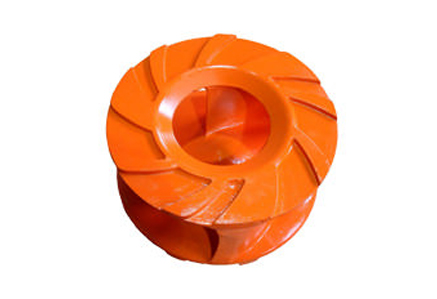
Sump pump not pumping: The pump may turn on but not move water well. This is usually because of a problem with the impeller or a clogged discharge line.
Sump pump keeps running: If your sump pump is constantly running, it could be a faulty float switch, a high water table, or a leaky pipe.
Sump pump won’t turn off: This happens when the float switch is stuck in the “on” position or if the water level in the pit remains consistently high.
High Water Table:In places where the groundwater level is high, the sump pump might not be able to keep up with the constant flow of water, which could cause it to overflow.
Improper Installation: Overflowing is much more likely to happen if the sump pump and its parts are not installed correctly. This includes putting the sump pit in the wrong place, not letting enough water drain away, and not having a long enough discharge line.
If your sump pump is overflowing, you should act quickly to avoid more damage:
Safety First: If the water level is high and you think there might be an electrical problem, turn off the power at the circuit breaker to avoid getting shocked.
Assess the Situation:
Find out where the overflow is coming from. Is it a clogged discharge line, a float switch that doesn’t work, or a power outage?
Check for blockages in the discharge line if the sump pump keeps running but does not pump water.
Contain the Water: Use sandbags, towels, or buckets to move water away from vulnerable areas and valuable items.
Remove Excess Water: If you can handle the water level, remove the extra water in the basement with a wet/dry vacuum or a submersible pump.
Address the Root Cause: Once the immediate risk has been contained, you should deal with the cause of the overflow. If there is a problem with the mechanics, call a qualified plumber or waterproofing expert.
Regular Maintenance
Have a professional check your sump pump once a year to keep it in good shape. This includes cleaning the pump and discharge line, ensuring the float switch works properly, and ensuring the system runs smoothly.
Check the area around the sump pit for cracks or leaks in the foundation or surrounding walls.
Keep the Discharge Line Clear
Regularly inspect and clean the sump pump discharge pipe outside so it remains free of debris such as leaves, dirt, and ice.
Move the discharge line as far away from the foundation as possible to prevent water from entering the basement again.
Install a Backup System
Consider installing a battery backup system or a generator to make sure your sump pump keeps working when the power goes out.
Install a High Water Alarm
If the water level in the sump pit rises above a certain point, a high-water alarm will go off. This could indicate a sump pump overflow, giving you time to fix the problem before it causes damage.
Install indoor drainage
If the water level in the sump pit rises above a certain point, a high-water alarm will go off. This could indicate a sump pump overflow, giving you time to fix the problem before it causes damage.
Monitor Water Levels
Check the water level in the sump pit often, especially after heavy rain or snow melt. If the water level remains high for a long time, a more serious problem may be happening.
Even with preventative measures in place, unexpected situations can happen. Even the most reliable sump pump system can fail due to heavy rain, long power outages, or damaged foundations. If your sump pump is not working right and the overflow won’t go away no matter what you do, it’s time to call a professional. Waterproof Basement has a team of experienced plumbers specializing in sump pump repair and maintenance. We offer 24/7 emergency service to ensure your basement remains dry, no matter the time of day or night.
Bookmark
Daniel Féau processes personal data in order to optimise communication with our sales leads, our future clients and our established clients.


This site is protected by reCAPTCHA and the Google Privacy Policy and Terms of Service apply.